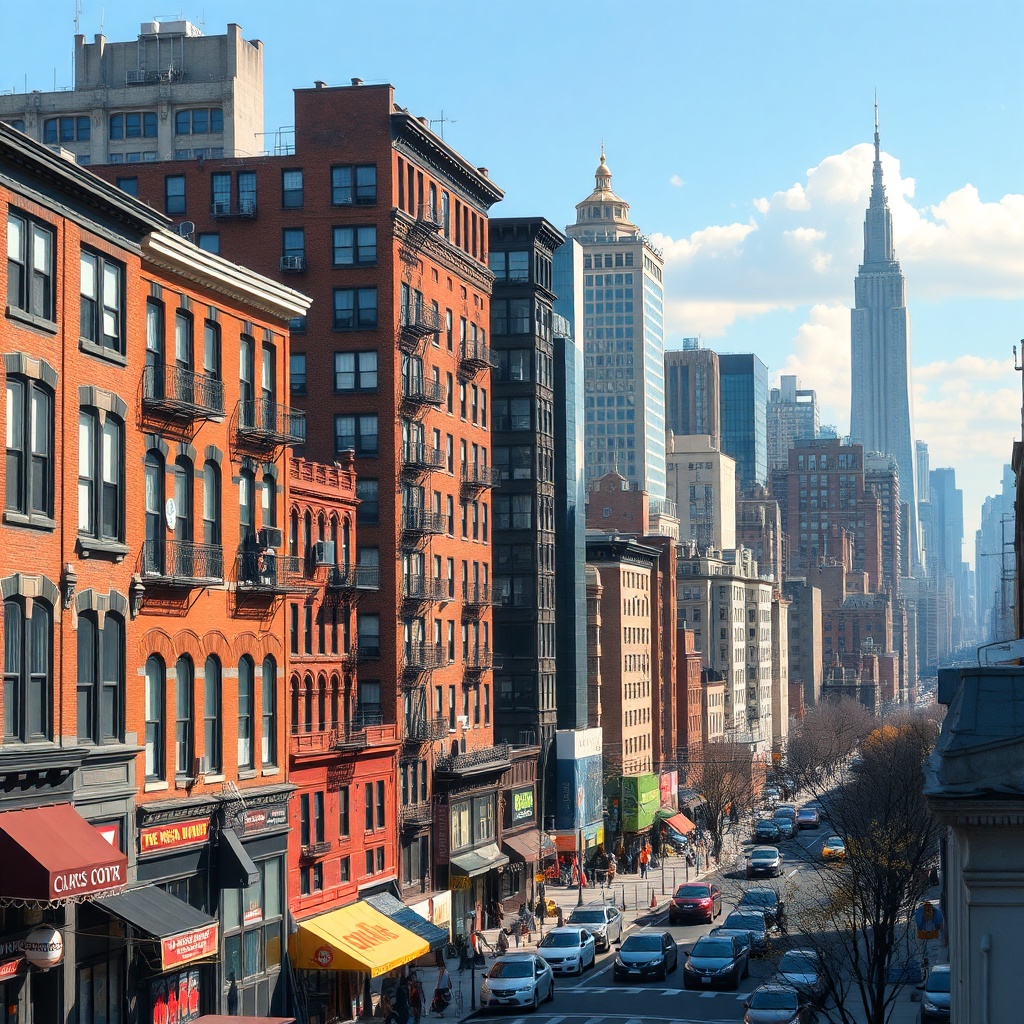
New York neighborhoods keep reinventing themselves, balancing historic character with new ideas about how people want to live, work, and play. From walkable main streets to emerging food corridors and growing green spaces, the city’s neighborhoods offer a blend of convenience and local flavor that matters to residents and visitors alike.
What makes a neighborhood feel vibrant
A few consistent elements create that lived-in, lively feel people seek:
– Walkability and transit access: Short trips to grocery stores, trains, or bike lanes make daily life simpler.
– Diverse retail and dining: A mix of longtime family businesses and innovative newcomers keeps streets active.
– Public space and greenery: Plazas, pocket parks, and community gardens boost quality of life and neighborhood identity.
– Affordable housing options: A healthy mix of housing types helps sustain economic and cultural diversity.
– Community organizations: Block associations, business alliances, and cultural groups shape how neighborhoods evolve.
Neighborhood snapshots to watch
– Outer borough main streets: Areas beyond the core have become destinations for food and culture without the crowds. Expect to find fusion restaurants, artisanal bakeries, and independent bookshops clustered near transit hubs, making them ideal for returning residents who want city life at a quieter pace.
– Waterfront districts: Where the city meets the water, riverfront esplanades and reopened piers turn former industrial zones into active public amenities. These stretches often pair new residential buildings with promenades, kayak launches, and weekend markets.
– Cultural corridors: Longstanding enclaves—celebrated for music, theater, or community festivals—continue to anchor local identity even as new businesses and galleries move in. Those corridors often host pop-up events and night markets that draw diverse crowds.
– Transit-adjacent neighborhoods: Proximity to subway lines, commuter rails, and expanded bike-share networks remains a key draw. Neighborhoods with easy transit access often see faster retail turnover but also greater investment in streetscape improvements.
Practical tips for exploring and supporting local neighborhoods
– Walk a few blocks beyond the main avenue. Independent shops and hidden cafes often sit just off the busiest corridors.
– Check community calendars. Local arts organizations and small-business alliances frequently organize markets or open-studio nights that reveal a neighborhood’s character.
– Use multimodal transit. Combining subway rides with bikes or scooters can expand what’s practical to explore in a single outing.
– Support local businesses intentionally. Buying from independent grocers, cafes, and artisans keeps money circulating within the neighborhood and sustains unique storefronts.
– Look for public green spaces.
Even small community gardens offer respite and chances to meet neighbors.
Why neighborhood character matters for the city
Healthy neighborhoods drive resilience. When streets are active and services are nearby, daily life becomes more convenient and less car-dependent. Vibrant local economies foster entrepreneurship and preserve cultural heritage. Thoughtful public spaces and mixed-use development help neighborhoods adapt to changing needs while maintaining the elements that made them special.
Whether planning a move or just looking for a weekend outing, exploring neighborhoods with curiosity pays off. The best discoveries often come from a short walk, a friendly recommendation, or a storefront that’s been serving the same community for decades. These are the places where city life feels both connected and distinctly local.