Getting around New York City: practical tips for faster, greener, less-stressful travel
New York City moves fast — but you can move smarter. Whether you’re commuting, visiting, or exploring neighborhoods, combining transit modes, planning ahead, and using a few local habits makes daily travel easier, cheaper, and greener.
Choose the right mix of transit
– Subway: The backbone of city travel.
For many trips, the subway is still the quickest way across boroughs. Check for service changes before you go — weekend track work and station maintenance often alter routes.
Expect crowds during peak commute windows and give priority seating to seniors and riders with disabilities.
– Bus: Buses fill gaps where rail doesn’t reach. Select Bus Service corridors and bus lanes speed things up; use buses for shorter cross-town trips or when your destination is near a stop not served by the subway.
– Ferries: Ferries connect waterfront neighborhoods with scenic, traffic-free commutes. They’re great for linking Brooklyn, Queens, Staten Island, and lower Manhattan while enjoying views of the skyline.
– Commuter rail: Long-distance commutes rely on regional rail networks into Manhattan and Brooklyn. Trains are faster for longer distances but watch for schedule variations during holidays or service upgrades.
– Bike and micromobility: Citi Bike and protected bike lanes make cycling a practical choice for medium-length trips. Bikes are often faster than transit for short, cross-town rides and let you avoid transfers. Sidewalk riding is illegal in many areas; use bike lanes and follow traffic rules.
Use technology and prep like a local
– Tap-and-go payments: Most city transit systems accept contactless payment methods.
Having a contactless card, mobile wallet, or transit card makes boarding quicker.
– Real-time apps: Use a mix of official transit apps and third-party tools for live updates, elevator alerts, and alternate-route suggestions. Apps that combine biking, walking, and transit show the fastest multimodal options.
– Plan for accessibility: Not all subway stations have elevators. If you or someone you’re traveling with needs step-free access, check station accessibility alerts before you travel.
Comfort and safety tips
– Rush-hour strategy: If you can, travel just outside peak windows to avoid packed cars.
Early mornings and late evenings are less crowded.
– Stay visible and charged: Keep your phone charged, and carry a small portable battery if you rely on apps. Bring a compact umbrella and layers — weather can change quickly.
– Street smarts: Keep personal items secure and be mindful of your surroundings, especially late at night. Use well-lit routes and prefer stations with staff on duty when possible.
Make it greener and cheaper
– Combine walking and transit: Many trips are walkable. Mixing walking with a short subway or bus ride saves money and gives a better feel for neighborhoods.
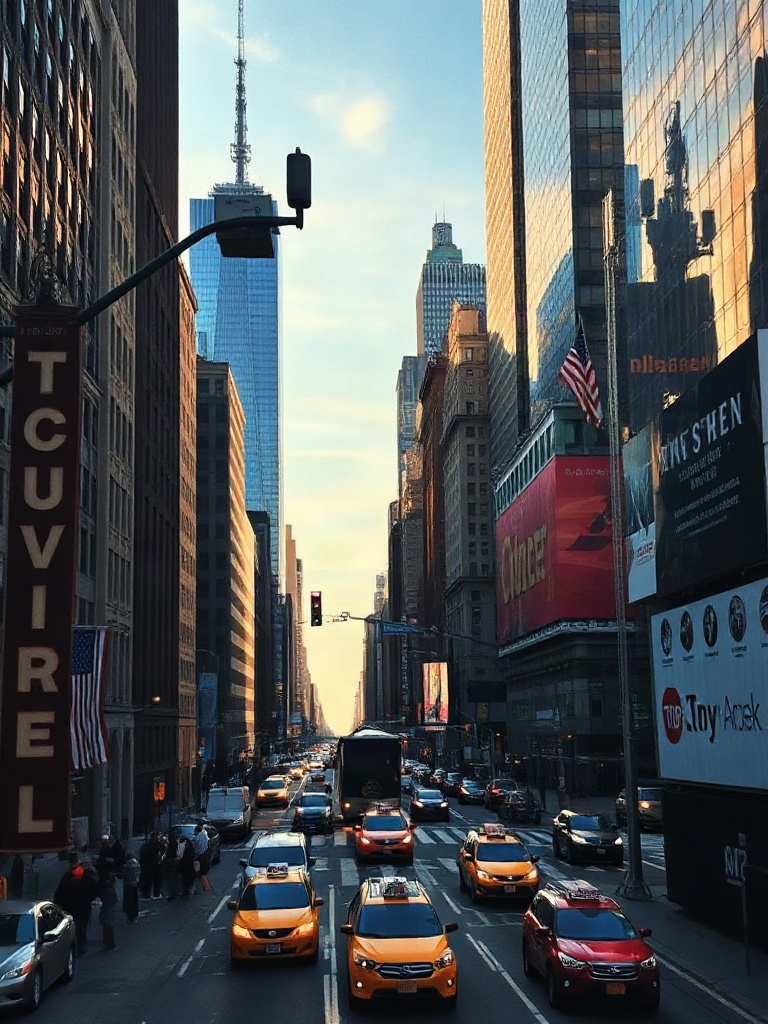
– Bike-share and ferries for scenic commutes: Choosing a bike or ferry not only reduces your carbon footprint but can also turn commuting into part of your day’s enjoyment.
– Avoid unnecessary trips: Consolidate errands, plan multi-stop routes, and use delivery services when it reduces multiple short trips.
Explore like a local
Take advantage of pedestrian plazas, waterfront promenades, and neighborhood routes that aren’t marked on every tourist map. Small detours often lead to cafes, public art, and quieter streets that reveal the city’s character.
Mastering NYC travel is about flexibility. Combine modes, check real-time info, and keep a few local habits handy — and the city opens up on your terms.