Brooklyn’s waterfront is a living example of urban reinvention — where industrial pasts meet parks, creative industry, and a thriving street-level culture. Whether you live in Brooklyn or are planning a visit, understanding how neighborhoods, public spaces, and local businesses interact gives a clearer picture of what makes the borough pulse.
A walkable waterfront
Walkable stretches like Brooklyn Bridge Park and Domino Park reframe the borough’s shoreline as public space rather than private edges. These parks combine green lawn areas, sports courts, curated gardens, and adaptive-use piers that host concerts, markets, and outdoor fitness classes. Waterfront promenades offer skyline views and easy access to ferries and bike routes, making them magnets for families, visitors, and photographers chasing golden-hour light.
Neighborhood dynamics: from industry to creativity
Neighborhoods along the water reveal different chapters of Brooklyn’s evolution. Dumbo and Williamsburg showcase loft conversions, tech studios, and a café-and-gallery economy that draws remote workers and creatives. Industry City and parts of the Navy Yard exemplify adaptive reuse on a larger scale: warehouses turned into manufacturing incubators, artisanal food halls, and light industrial hubs that prioritize local jobs and maker culture.
Gentrification and community response
Positive change has come with rising rents and displacement pressures. Community-led responses — from small-business coalitions to land trusts and affordable-housing advocacy — are shaping local debates about who benefits from redevelopment. Public forums and neighborhood partnerships increasingly push for mixed-use projects that include affordable units, family services, and preserved industrial jobs.
A food and culture destination
Brooklyn’s food scene remains a major draw. Seasonal markets and permanent food halls spotlight everything from immigrant-run restaurants to experimental chefs and sustainable vendors. Cultural institutions — museums, performance venues, and independent galleries — anchor neighborhoods and ensure there’s always a reason to explore beyond the best-known blocks.
Getting around
Ferries, expanded bike lanes, and more pedestrian plazas make crossing the borough easier. Public transit continues to be essential for everyday life, but the proliferation of shared-mobility options — bikes, scooters, and app-based water transit — complements traditional routes for first- and last-mile connections.
How to experience Brooklyn right now
– Start early at a waterfront park to avoid crowds, then stroll to a nearby neighborhood for brunch at a local café.
– Check seasonal food markets for rotating vendors and new culinary trends.
– Visit an adaptive-reuse complex like a converted warehouse or factory to see the creative-economy mix.
– Support neighborhood businesses over national chains to keep spending local and encourage diverse offerings.
Why Brooklyn still matters
What keeps Brooklyn compelling is its capacity to blend history with innovation: waterways and old docks juxtaposed with new makerspaces; brownstones next to bold new developments; cultural institutions that program both blockbuster shows and community-driven work. The balance between growth and preservation will continue to define the borough’s character, and mindful visits or investments can help support a more inclusive, vibrant future.
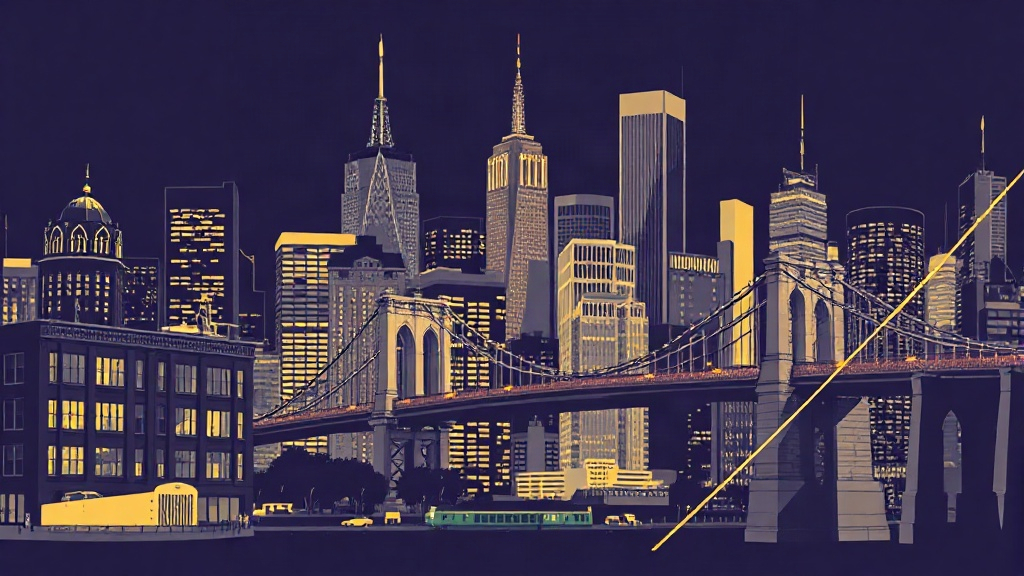
Whether you’re exploring for the day or deciding where to put down roots, Brooklyn’s waterfront and neighborhoods offer a layered urban experience — one that rewards curiosity, respects craft, and invites participation.