New York City’s food scene moves faster than its subway trains — always shifting, always mixing influences, and always hungry for the next bold flavor.
Whether you’re a local chasing a late-night slice or a visitor trying to map out must-eat stops, the city’s culinary landscape offers a dynamic mix of street-level staples, elevated comfort food, and global flavors refined by neighborhood communities.
Street food and corner staples
Street food is where NYC’s culinary identity is most immediate. From halal carts and taco trucks to dollar-slice windows and bodega sandwiches, these quick bites reflect the city’s immigrant roots and practical pace. Look for vendors who have perfected a single offering — now more than ever, specialization signals quality.
Ordering like a local often means skipping the menu and asking for “the works,” “white sauce,” or the house-recommended spice level.
Neighborhoods as flavor incubators
Each borough and neighborhood functions as a flavor laboratory. Little enclaves introduce cuisines that then ripple across the city: South Asian spice mixes, West African stews, Mexican regional plates, and Korean BBQ techniques all gain reinterpretations in neighborhoods where diasporic communities refine and preserve recipes.
Exploring side streets and neighborhood markets often yields better finds than tourist-heavy hotspots.
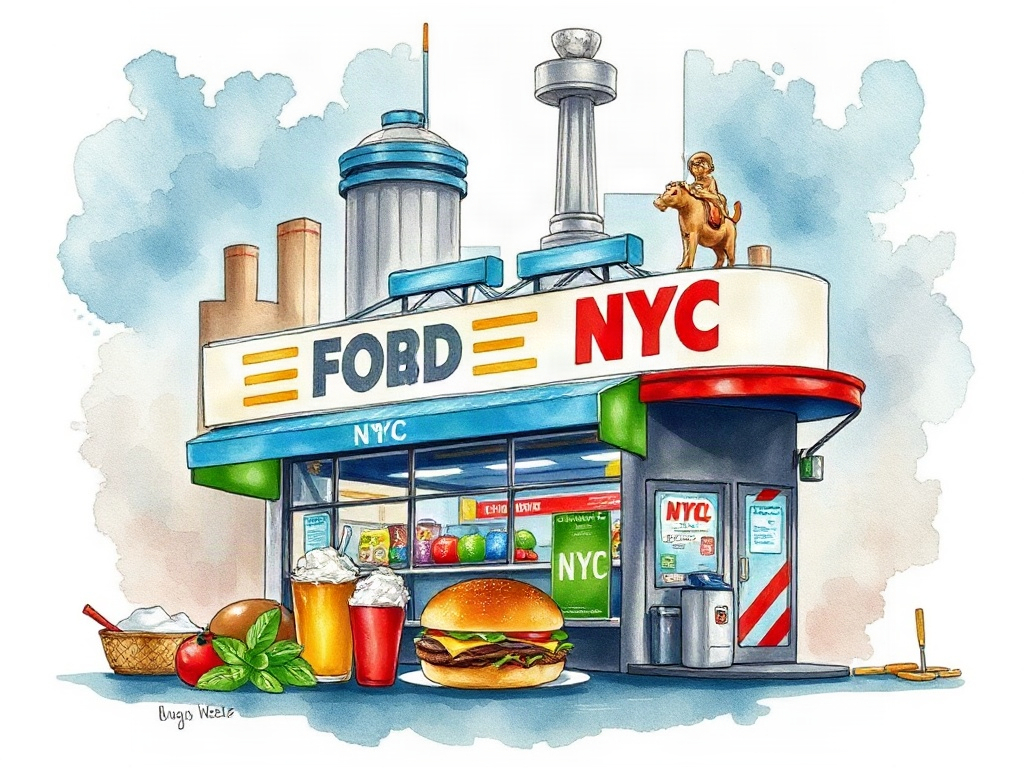
Food halls and small-scale entrepreneurship
Food halls have reimagined communal dining, providing curated windows into multiple kitchens under one roof. These spaces favor emerging chefs and brands that might not have the capital for a full restaurant; they’re ideal for sampling diverse offerings in one visit. Smaller kiosks and pop-ups further lower barriers for culinary entrepreneurs, making the city a proving ground for new concepts — from fusion snacks to next-level desserts.
Plant-forward and sustainability trends
There’s a strong move toward plant-forward menus and regenerative sourcing. Many mainstream restaurants now make vegetables the centerpiece rather than an afterthought, while independent spots experiment with whole-root cooking and zero-waste prep. Consumers are also more attuned to sourcing: seasonal produce, transparent seafood sourcing, and ethical meat suppliers are increasingly table stakes for restaurants that want repeat customers and positive press.
The modern comfort-food renaissance
Classic New York comfort foods — pizza, bagels, deli sandwiches — are experiencing a renaissance.
Chefs are elevating these staples with artisanal techniques and high-quality ingredients while keeping the nostalgic touch that made them beloved. This means both old-school counters and new-style bakeries can offer authentic experiences: a thin-crust pie with perfect char, a bagel with a tender chew and glossy crust, or a pastrami sandwich carved to order.
Late-night dining and delivery culture
Late-night options remain a vital part of the city’s food ecosystem. Many places extend hours to serve post-theater crowds, nightlife patrons, and shift workers. Delivery and pickup have reshaped what’s possible: kitchens optimize packaging and menu items for transit, and many small restaurants rely on a hybrid model of in-house dining and takeaway.
Tips for exploring like a local
– Ask staff what’s popular or what they’d order for themselves — workers often point to hidden gems.
– Follow neighborhood markets and community events for pop-ups and guest-chef nights.
– Try a multi-stop meal: an appetizer from a food cart, main from a neighborhood joint, dessert from a bakery across the street.
– Embrace smaller plates to taste more cuisines in a single outing.
New York City’s food scene remains a living, breathing canvas of tradition and innovation. Whether chasing the perfect slice, sampling regional specialties, or supporting small vendors, the city rewards curiosity and appetite.
Get out, follow your nose, and taste what each neighborhood is cooking up.