Why New York City culture keeps reinventing itself
New York City culture is a study in motion: neighborhoods remake themselves around food, music, art and public life, while long-standing traditions keep neighborhoods grounded. That tension between constant change and stubborn continuity is what makes the city feel alive — and why visitors keep returning and residents keep discovering new corners.
Neighborhood scenes: local roots, global flavors
Each neighborhood is its own cultural ecosystem. Small businesses — from century-old delis to ambitious new restaurants — translate immigrant histories into menus that evolve with seasonal produce and shifting tastes. Food halls, night markets, and pop-up kitchens provide experimental space for chefs, while the ubiquitous bodega and café remain the social glue of everyday life.
Farmers markets and community-run gardens anchor local food cycles and create places where neighbors meet beyond transactions.
Performance and the live experience
Live music, theater, and dance continue to thrive in layered venues across the boroughs.
Intimate jazz clubs sit blocks away from larger concert halls; experimental theater and dance companies use black-box spaces and parks for site-specific work. Off-Broadway and independent venues function as testing grounds where new voices and hybrid forms of performance can reach engaged, curious audiences. Streaming and social platforms broaden reach, but the city’s appetite for in-person experience keeps venues full and innovation constant.
Public spaces and the reimagined street
How New Yorkers use public space has changed, and that’s reshaped culture.
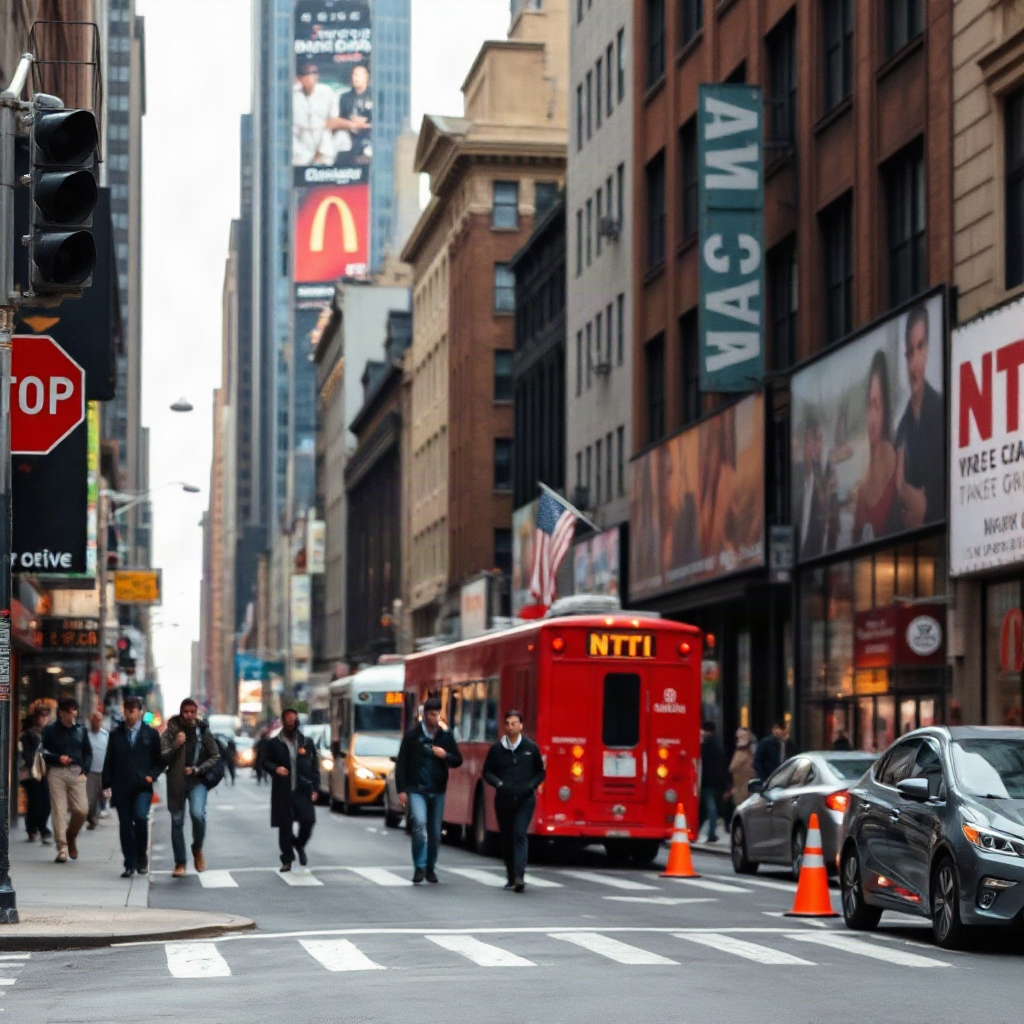
Parks and waterfronts host performances, markets, and fitness classes; plazas and widened sidewalks invite lingering. Street festivals, block parties, and parades remain essential expressions of community identity, bringing music, food, and art into the open.
Murals and street art continue to transform façades into public storytelling, often led by artists who respond directly to neighborhood concerns and histories.
Books, galleries, and the tactile economy
Independent bookstores and small galleries act as cultural hubs, offering curated experiences that can’t be replicated online. Readings, gallery openings, and community discussions create moments of concentrated attention in a city full of noise. Libraries and cultural centers support local programming, helping sustain the city’s literary and visual-art traditions while making them accessible to broader audiences.
Nightlife, safety and responsible vibrancy
Nightlife has diversified: late-night art spaces, music venues with varied capacity, and food-driven night markets coexist with classic nightlife institutions. Conversations about safety, inclusive access, and responsible hospitality influence how venues operate, encouraging better lighting, clearer transportation options, and more equitable programming that reflects neighborhood demographics.
Tech and culture: tools, not replacements
Technology influences discovery and access — apps help people book tickets, find new eateries, or locate pop-ups — but it tends to amplify, rather than replace, the city’s real-world experiences. Cultural producers use digital tools to market events, sell subscriptions, and extend audience reach, while the core product remains the shared, in-person moment.
Why it matters
The city’s cultural vitality comes from its dense network of creators, entrepreneurs, and civic-minded neighbors. When a deli counter becomes a community noticeboard, when a park hosts an unexpected performance, or when a mural sparks conversation, those everyday cultural acts add up. New York’s culture is neither fixed nor fleeting; it’s an ongoing conversation among people who make the city their home, their stage, and their canvas.
For anyone who wants to experience the city beyond tourist highlights, start with neighborhoods, small venues, and community events — that’s where the city’s real stories are being written and rewritten every day.