The Ever‑Evolving NYC Food Scene: How to Eat Like a Local
New York City’s food scene moves fast but stays rooted in neighborhood traditions.
Whether you’re hunting down a perfect slice, exploring the boroughs’ international flavors, or trying the latest plant‑forward concept, the key to enjoying NYC food is mixing classic staples with off‑beat finds.
Why neighborhoods matter
Each borough brings a distinct culinary identity. Manhattan offers a concentration of iconic eateries and high‑end dining, while Brooklyn is known for artisanal bakeries, coffee shops, and inventive small plates. Queens remains the city’s greatest multicultural pantry, with authentic offerings from around the globe concentrated in walkable corridors. The Bronx delivers vibrant Latin and Caribbean flavors, and Staten Island preserves neighborhood institutions and surprisingly good pizzerias. Planning meals by neighborhood makes it easier to experience varied foods without constant travel.
Street food and late‑night culture
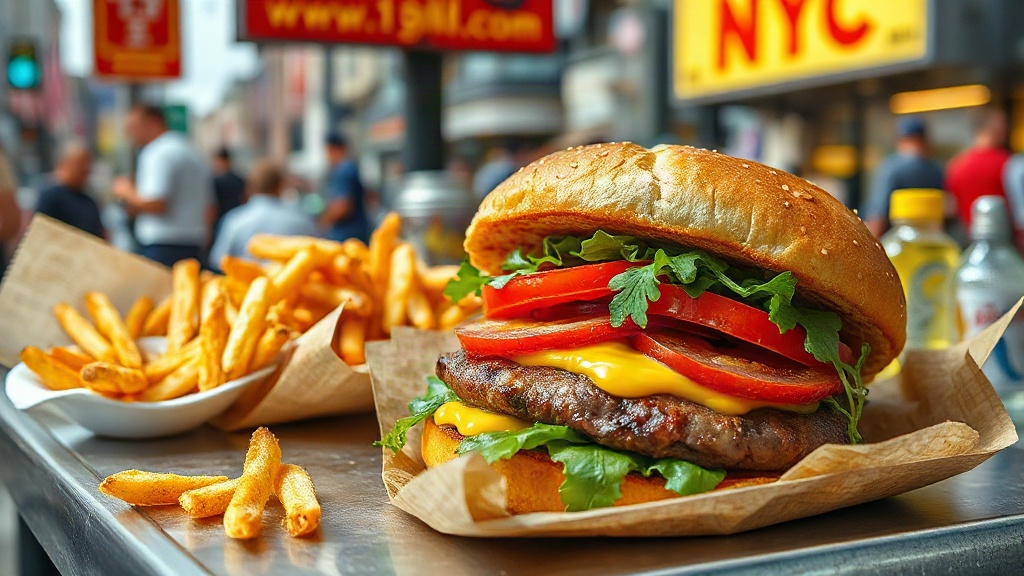
Street vendors and bodegas are an essential part of daily eating—delis for sandwich fixes, halal carts for quick protein bowls, and vendor stalls for everything from dumplings to tacos.
Late‑night spots and delivery options make NYC feeding hours flexible, especially in areas with active nightlife.
Tipping culture is expected at sit‑down restaurants and appreciated for delivery and counter service; using apps helps with contactless payment and tracking.
Food halls, markets, and pop‑ups
Food halls and indoor markets condense small, focused vendors under one roof—ideal for groups with different tastes. Look for stalls showcasing single‑ingredient mastery (a standout falafel, a specific noodle technique) rather than sprawling menus.
Pop‑up dinners, supper clubs, and weekend markets offer opportunities to try new chefs and trends before they graduate to brick‑and‑mortar locations.
Trends worth trying
– Plant‑forward cooking: Many spots put vegetables center stage without sacrificing flavor, using fermentation, creative sauces, and whole‑grains.
– Heritage techniques: Expect more fermentation, curing, and regional preservation methods applied to both proteins and produce.
– Hyper‑local sourcing: Neighborhood restaurants increasingly highlight produce from nearby farms and urban growers to shorten the supply chain.
– Ghost kitchens and delivery concepts continue to expand, making niche cuisines more accessible.
How to choose where to go
– Read multiple sources: Local reviews, community forums, and neighborhood newsletters often surface gems faster than national lists.
– Follow chefs and restaurants on social channels for pop‑ups and tasting menus.
– Time your visits: Weekdays can be calmer at popular spots; late lunches often avoid the dinner rush.
– Make reservations for sought‑after restaurants, but embrace walk‑ins for neighborhood counters and markets.
Dietary needs and accessibility
NYC caters broadly to dietary preferences—vegetarian, vegan, gluten‑free, and halal options are easy to find. Menus increasingly mark allergens and substitutions. If accessibility is a concern, check venue websites or call ahead for current seating and entry details.
Savoring the city
Eating in New York is as much about atmosphere and discovery as it is about the food. Combine destination restaurants with spontaneous finds: a corner pastry shop, a taco stand tucked between storefronts, or a communal table in a bustling market. That mix captures the city’s culinary character—diverse, dynamic, and deliciously unpredictable.