Manhattan remains one of the world’s most magnetic islands—dense, diverse, and constantly reshaping itself. Whether you live here or are planning a visit, knowing how to make the most of the borough means balancing iconic sights with smaller discoveries, smart transit choices, and an eye for evolving neighborhoods.
Move like a local
Walking is often the fastest way to get around central Manhattan, especially in midtown and downtown where traffic can slow cars to a crawl. For longer trips, combine subway use with ferries and bike-share options. Contactless fare systems and transit apps make transfers easier; check schedules during off-peak hours to avoid crowded cars. If you’re carrying luggage or exploring multiple neighborhoods in one day, plan a route that minimizes backtracking—Manhattan’s grid rewards north-south walking.
Parks, promenades, and rooftop escapes
Beyond Central Park’s must-see landmarks, Manhattan’s green spaces offer quieter pockets worth exploring. The High Line repurposes industrial rail into a linear park with art installations and Hudson River views. Hudson River Park stretches along the west side with bike lanes and piers ideal for sunset walks.
Scattered pocket parks and community gardens provide resting spots between appointments, while an expanding roster of rooftop bars and garden restaurants gives a fresh-air alternative to indoor dining.
Where to eat and drink
Manhattan’s food scene remains a study in contrasts: longstanding family-run delis and bakeries sit next to cutting-edge chefs and global street food. Food halls and markets have become reliable places to sample multiple cuisines under one roof, and neighborhoods outside the usual tourist map often reward the most adventurous palates. For casual meals, look for places with strong local reviews and visible turnover—freshness tends to follow foot traffic.
Culture, neighborhoods, and hidden gems
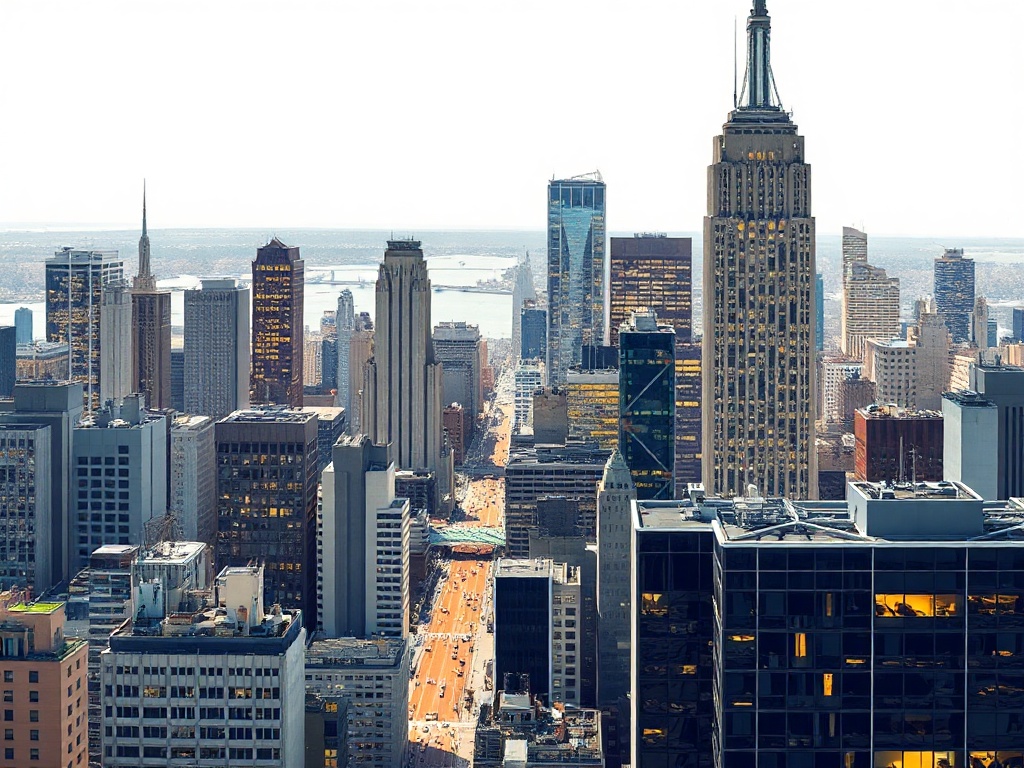
Museums and theaters anchor the cultural life, but independent galleries, small music venues, and community theatres showcase the borough’s creative range. Each neighborhood has a distinct personality: some are nightlife hubs, others are residential with tree-lined streets and small businesses. Carve out time to wander neighborhoods with no fixed itinerary—often the best discoveries are found by chance.
Real estate realities and housing tips
Manhattan’s rental and buying markets can be competitive. Flexible commuting options, openness to roommates, and exploring neighborhoods just beyond the central corridors often yield better value.
If searching for housing, prioritize essentials—commute time, building conditions, and nearby services—over decorative extras that can be upgraded later.
Climate resilience and urban planning
Manhattan is actively adapting its waterfronts, streets, and infrastructure to handle extreme weather and rising tides. Look for flood-resistant design in rebuilt piers and updated public plazas, and expect continued investment in green infrastructure like permeable surfaces and expanded tree canopy to moderate urban heat.
Practical tips for a smooth visit
– Time popular attractions for early morning or late afternoon to avoid peak crowds.
– Use a transit app and a walking map—signal-friendly spots make navigation easier.
– Carry a compact umbrella and a refillable water bottle; Manhattan’s microclimates can shift quickly.
– Support local businesses: small shops and eateries often deliver the most memorable experiences.
Manhattan’s energy comes from constant reinvention. Blend the major attractions with curiosity for the borough’s quieter corners, and you’ll find a more personal, more manageable, and more rewarding experience.