New York City food remains one of the world’s most dynamic culinary playgrounds, where centuries-old comfort dishes sit side-by-side with boundary-pushing flavors. Whether you’re a visitor mapping out must-eat stops or a local chasing the latest neighborhood gem, these approachable tips and trends will help you navigate the city’s abundant offerings.
What to eat: classics and can’t-miss bites
– Pizza: From coal-oven slices with blistered crusts to thin, foldable New York-style pizza and the rise of sourdough-fired pies, pizza remains a cornerstone. Look for places that emphasize a high-hydration dough and simple, quality toppings.
– Bagels and deli: A proper bagel—chewy interior, crisp exterior—paired with hand-sliced smoked salmon or classic scallion cream cheese is essential.
Delis still serve up towering pastrami sandwiches and matzo ball soup that anchor the city’s culinary identity.
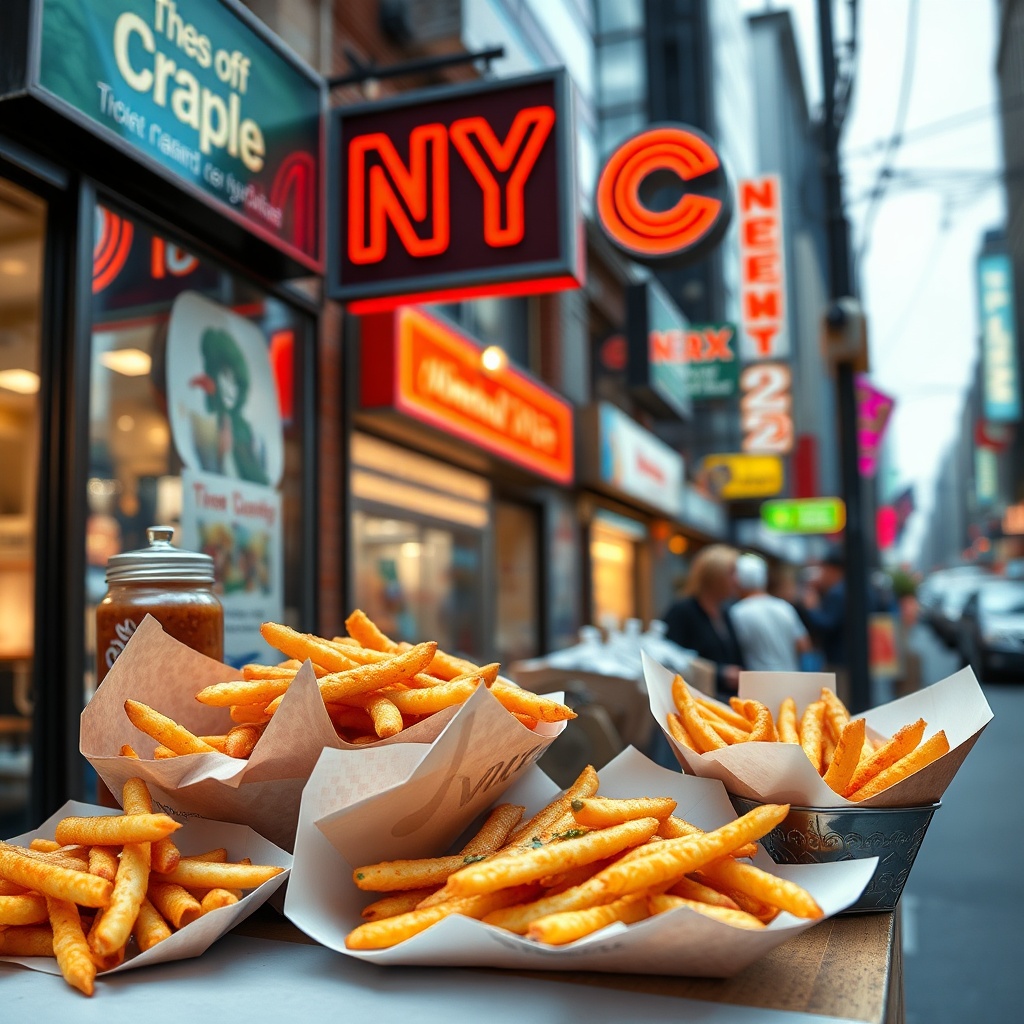
– Street food and bodegas: Corner bodegas are perfect for quick bites—egg sandwiches, empanadas, and specialty coffee. Food carts and trucks offer everything from halal platters to pupusas; they’re an efficient way to sample authentic neighborhood fare.
– Desserts and pastries: Look beyond the tourist spots for pastry shops where laminated dough and seasonal fillings are prioritized. Ice cream shops experimenting with savory pairings and house-made cones are especially popular.
Neighborhoods and where to explore
– Upper Manhattan and Harlem feature soul food, West African flavors, and new takes on Southern classics.
– Brooklyn continues to be a testing ground for experimental small plates, plant-based fine dining, and innovative bakeries.
– Queens is celebrated for its authentic ethnic cuisines—South Asian, East Asian, Latin American—that reflect the city’s diversity.
– The Lower East Side and East Village blend classic delis, contemporary restaurants, and vibrant late-night spots.
Current food trends shaping the scene
– Plant-forward menus: Many restaurants are balancing meat and plant-based dishes rather than offering all-or-nothing vegan menus. Expect elevated vegetable preparations and creative meat substitutes.
– Indigenous and regional storytelling: Chefs are highlighting regional American and global cuisines with deeper attention to provenance and technique.
– Casual fine dining: Tasting-menu techniques are appearing in more casual settings, resulting in inventive small plates and chef-driven tasting experiences without the formality.
– Sustainability and transparency: From nose-to-tail cooking to zero-waste practices and local sourcing, sustainability is a consistent focus at both neighborhood spots and destination restaurants.
– Ghost kitchens and pop-ups: These formats make it easier to try emerging concepts quickly; look out for pop-up residencies that rotate through established spaces.
Practical tips for getting a table and eating well
– Reservations: Popular spots often require bookings; for counter-service and neighborhood staples, be ready to go early or embrace the wait.
– Payment and tipping: Most places are cashless; tipping remains expected for sit-down service and encouraged for counter service when you receive hands-on care.
– Sharing: Many contemporary menus are designed for sharing—order several small plates to experience a wider range of flavors.
– Market visits: Food halls and public markets offer curated samplers and are ideal for trying many vendors in one stop.
New York City’s food scene rewards curiosity.
Follow market stalls, ask locals for recommendations, and be open to both the familiar and the surprising—the city’s best meals often come from unexpected corners.