Neighborhood Pulse: Exploring New York’s Local Streets and Communities
New York’s neighborhoods are living mosaics: each block pulses with its own mix of food, culture, small business energy, and evolving public space. Whether you’re exploring for the first time or deepening roots, paying attention to the local layers — independent shops, transit connections, community organizations, and green spaces — reveals what makes each pocket of the city distinct.
What to look for when discovering a neighborhood
– Main streets and high streets: Local commercial corridors are the heart of many neighborhoods. Look for family-run restaurants, bodegas that double as community hubs, bookstores and hardware stores that have adapted to changing demand.
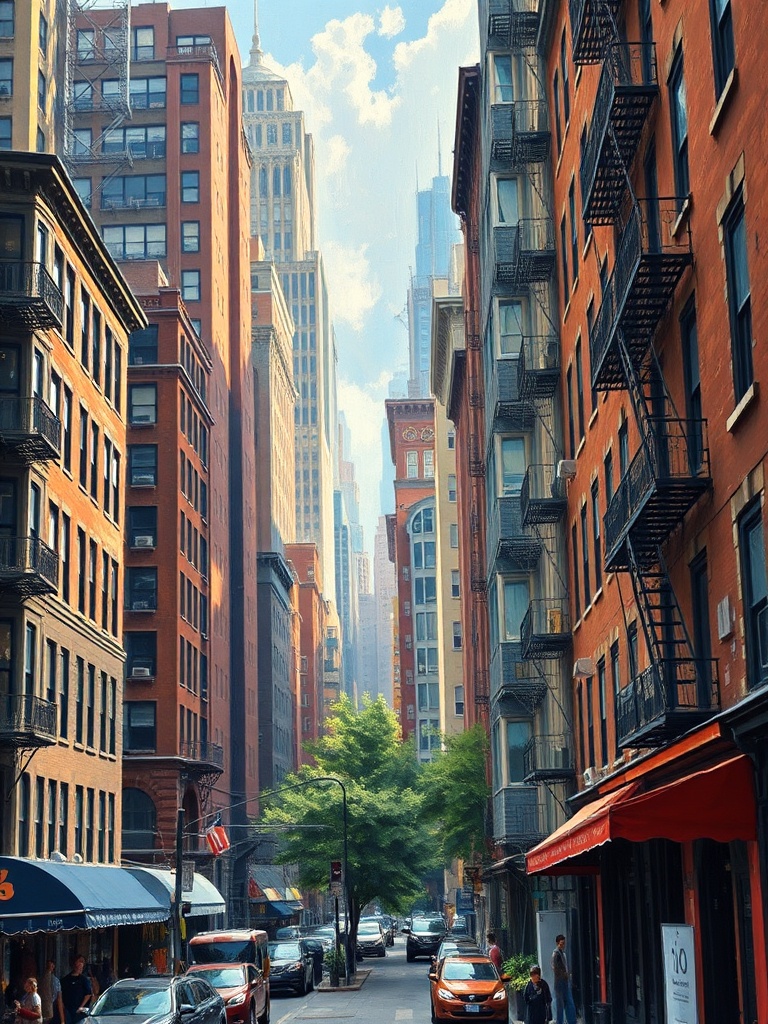
These corridors often signal a neighborhood’s character more than luxury developments do.
– Public spaces and greenery: Pocket parks, community gardens, riverfront esplanades and playgrounds shape daily life. New investments in plazas, bike lanes and small parks have encouraged outdoor dining, street markets and safer pedestrian access.
– Cultural anchors: Small theaters, galleries, music venues and houses of worship act as anchors. Visiting a neighborhood’s cultural spots — from open-mic nights and artist-run shows to weekend markets — offers a more authentic, local perspective than tourist hotspots.
– Transit and walkability: A neighborhood’s ease of access and walkable amenities matter for daily convenience and long-term livability.
Frequent transit connections and bike-friendly streets are major draws for residents who rely less on cars.
How local economies adapt
Small businesses are nimble. Many have shifted hours, diversified offerings, or embraced digital ordering to stay resilient.
Neighborhood chambers of commerce and local business improvement districts play a growing role by coordinating events, beautification projects and marketing efforts that bring foot traffic back to main streets.
At the same time, rising rents and changing commercial landscapes mean community advocacy and policy decisions — from zoning to small-business grants — are central to keeping local retail diverse.
Food, markets and the continuing draw of diversity
One of New York’s enduring appeals is the concentration of global cuisines and foodways within walking distance. From longtime delis and pastry shops to new chef-driven concepts and pop-ups, neighborhoods showcase culinary traditions alongside innovation. Farmers markets and specialty grocers also make it easier to access fresh produce and culturally specific ingredients, knitting food into daily life and local identity.
Community activism and grassroots identity
Community boards, tenant associations, and neighborhood coalitions are active in shaping local planning outcomes. These groups often advocate for affordable housing, preservation of historic storefronts, improved transit service, and expanded green space. Participating in a neighborhood meeting or volunteer project is a direct way to connect and influence how a place evolves.
Practical tips for exploring smarter
– Walk different times of day to feel the neighborhood’s rhythm.
– Use public transit or bike-share to discover adjacent areas quickly.
– Take advantage of local calendars and social media to find markets, street fairs and small cultural events.
– Shop small: buying at local stores and cafes has a ripple effect, supporting services and community programs.
Every New York neighborhood changes over time, but the most compelling places are those where residents, small businesses and public investments converge to create daily life that’s walkable, diverse and culturally vibrant. Paying attention to those dynamics helps visitors and locals alike find the real pulse of the city beyond the well-known sights.