Manhattan packs iconic landmarks, hidden gems, and endlessly shifting neighborhoods into a compact island that’s perfect for exploring on foot.
Whether first-time visitors or longtime residents rediscovering the borough, a smart approach makes the experience richer and less rushed.
Getting around
Manhattan’s dense grid favors walking, but public transit, bike share, and ferries make it easy to cover longer distances.
The subway and bus network connects most points quickly; keep a transit app handy for real-time updates.
Citi Bike docks are everywhere for flexible short trips, and passenger ferries along the Hudson and East Rivers offer scenic, traffic-free commutes with great skyline views. For short hops, street-level options like scooters or taxis can fill gaps—just observe local rules and curbside etiquette.
Neighborhoods to explore
– Lower Manhattan: The Financial District and nearby waterfront blend historic streets, lively dining, and sweeping harbor views.
Walk the shoreline paths and visit markets that showcase local vendors.
– Greenwich Village and SoHo: These neighborhoods deliver a mix of tree-lined streets, boutique shopping, and coffeehouses. Artistic history lingers in galleries, theaters, and intimate music venues.
– Chelsea and the Meatpacking District: Home to elevated greenways, art galleries, and robust food scenes, this area is ideal for combining an outdoor stroll with curated shopping and inventive restaurants.
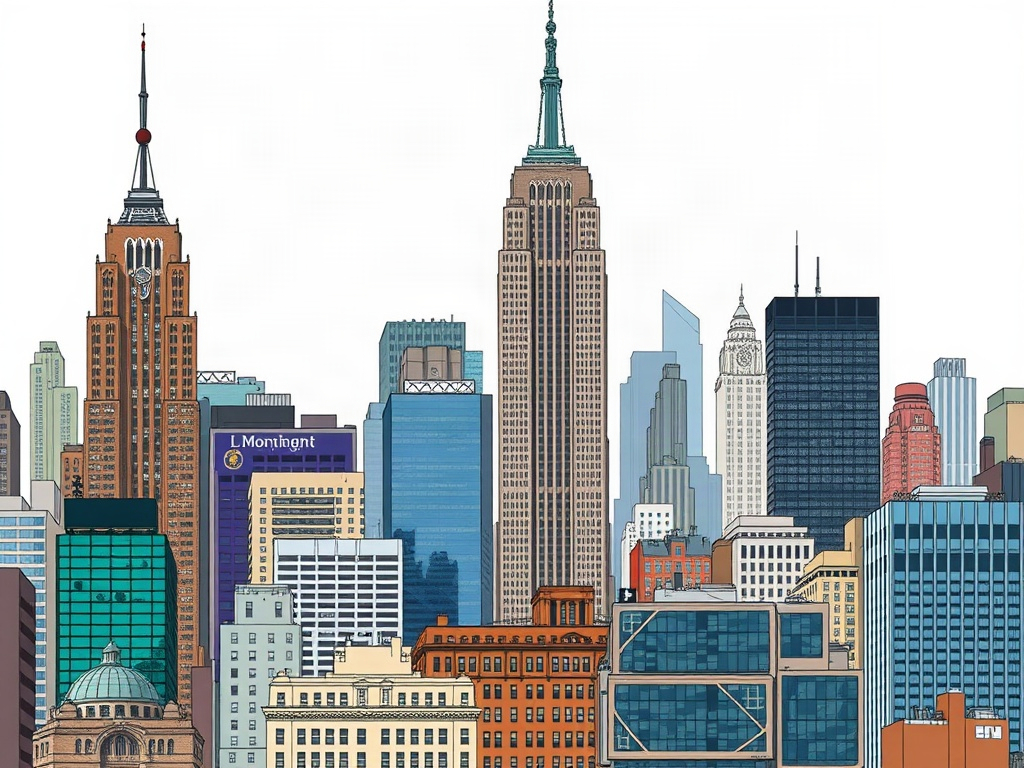
– Midtown: For first-timers, Midtown is where skyscrapers, flagship stores, and major performance halls converge. Peak crowds are normal; plan visits to major attractions early or later in the day to avoid lines.
– Upper East and Upper West Sides: Classic residential streets, museums, and park access make these areas appealing for a quieter, cultural experience.
– Harlem: A center for music, dining, and community culture, Harlem offers soulful cuisine, historic venues, and vibrant street life.
Parks, waterfronts, and public space
Manhattan’s green and blue spaces are constantly evolving. Major parks provide respite from the city bustle—large lawns, cultural programming, and family-friendly amenities. The High Line and several waterfront esplanades repurpose former industrial corridors into lively pedestrian paths with public art, gardens, and seasonal programming. For a change of pace, seek out smaller pocket parks and under-the-radar piers that showcase local events, outdoor movies, and pop-up vendors.
Culture and dining
Museums and theaters cover everything from blockbuster exhibitions to experimental work at small venues. Manhattan’s food scene spans fine dining, neighborhood bistros, global comfort food, and ambitious street vendors. Reservations help for high-demand restaurants; for neighborhood eats, explore side streets and market halls where culinary newcomers often appear.
Practical tips
– Wear comfortable shoes and layer clothing—weather can change quickly near the water.
– Use contactless payment and digital transit passes for speed.
– Visit major sights during off-peak hours for shorter wait times.
– Respect local residents: keep noise low in residential zones and follow posted rules in parks.
– Take advantage of free and low-cost cultural programming—many institutions rotate exhibits and host public events.
Sustainability and resilience
Manhattan’s public spaces increasingly reflect sustainable design: native plantings, permeable paving, and energy-efficient lighting are common in new park projects. Waterfront upgrades focus on public access while balancing flood protection and ecological improvements, making shoreline walks both scenic and educational.
Exploring beyond the guidebooks—by following neighborhood rhythms, using a mix of transit options, and leaving room for spontaneous discovery—turns a Manhattan visit into a layered, memorable experience.