New York City culture: how neighborhoods, food, and creativity keep the city humming
New York City culture is always in motion — a mix of deep-rooted traditions and fresh experiments.
Today, the city’s energy comes from neighborhood creativity, evolving food scenes, adaptive performance spaces, and public art that turns sidewalks into galleries. Whether you’re a resident or a curious visitor, there are clear threads tying the city’s cultural life together: diversity, resilience, and a willingness to try new things.
Neighborhoods as cultural hubs
Each neighborhood functions like a small city, with its own cultural calendar. From immigrant-run shops and family bakeries to cutting-edge galleries and intimate music venues, local entrepreneurs and artists shape community identity. Longstanding cultural corridors coexist with new pockets of creativity: you can find traditional markets next to pop-up art collectives, and century-old restaurants alongside experimental tasting rooms. That juxtaposition — past meeting present — is a defining feature of NYC culture.
Food culture: more than a trend
The food scene keeps reinventing itself without losing sight of authenticity. Beyond headline restaurants, there’s a thriving ecosystem of food markets, late-night delis, rooftop cafés, and regional cuisine clusters. Food halls and casual dining concepts provide low-barrier spaces for emerging chefs, while immigrant-run eateries continue to be engines of culinary innovation. This makes exploring the city through food a rewarding way to understand its communities.
Performing arts and immersive experiences
Performance culture has diversified beyond traditional theater.
While Broadway and well-established institutions remain anchors, smaller companies, experimental theater, and immersive shows have expanded the ways audiences connect with performance.
Music scenes are similarly varied: jazz clubs maintain their intimate vibe, indie venues offer discovery, and larger concert spaces host international artists. Audiences today expect interactivity and new formats, and local producers are responding with creative programming.
Public art and streets as stages
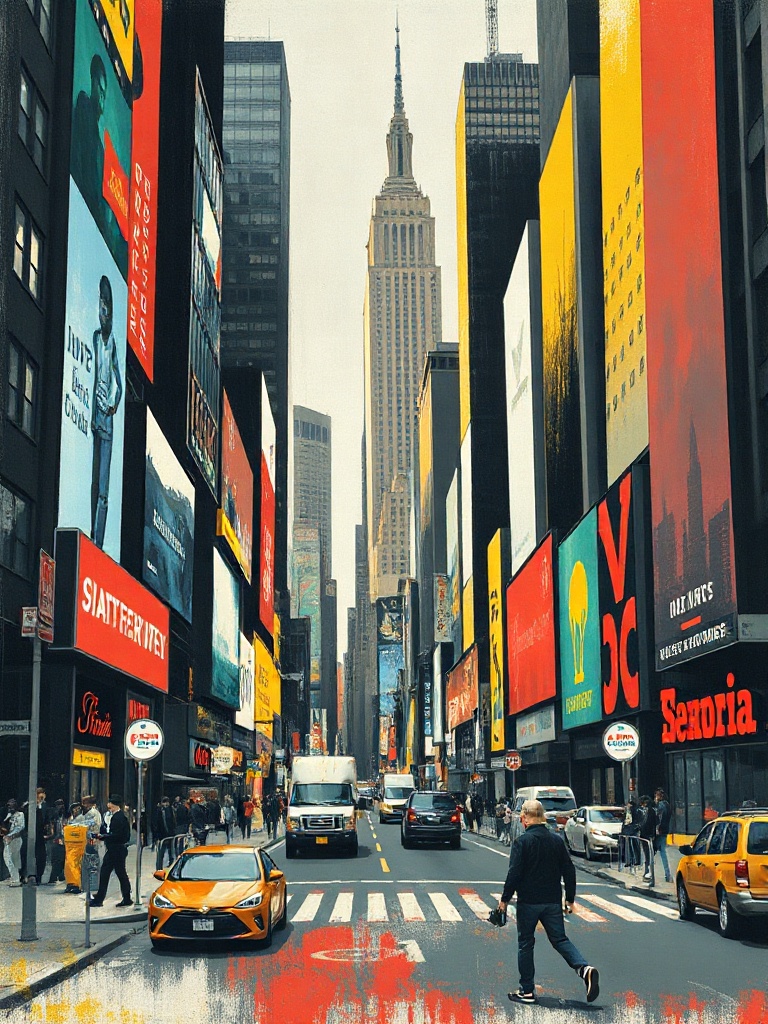
Public art has become a vital part of the urban fabric, with murals, installations, and temporary sculptures turning streets into open-air galleries. Transit stations, plazas, and waterfront promenades feature artworks that reflect community stories and social themes. Street festivals and cultural block parties also animate neighborhoods, creating accessible moments for neighbors to gather and celebrate.
Sustainability, mobility, and nightlife evolution
The city’s approach to mobility and nightlife reflects broader lifestyle shifts.
Bike-share programs and protected lanes make cycling more viable for daily commutes and leisure rides along the waterfront. Nightlife has adjusted to changing preferences: more late-night conversations, music incubators, and small-scale venues offer alternatives to traditional club scenes. Sustainability initiatives — from farm-to-table sourcing to greener venue operations — are increasingly part of cultural planning.
Where to plug in
– Explore neighborhood markets and immigrant-run eateries to taste the city’s cultural mix.
– Catch a smaller theater production or pop-up concert for fresh, boundary-pushing performances.
– Walk public-art routes and keep an eye out for temporary installations or murals that tell local stories.
– Use bike-share or walkable corridors to discover hidden gems beyond the major tourist spots.
The city’s culture thrives on constant reinvention, anchored by communities that preserve traditions while experimenting. For anyone looking to experience authentic NYC life, follow the neighborhoods, listen to local voices, and be open to the unexpected — that’s where the most memorable cultural moments happen.