New York City remains one of the planet’s most dynamic food capitals, where immigrant traditions, high-concept chefs, and street-level vendors coexist block by block. Whether you’re a local hunting for the next favorite spot or a visitor with limited time, these trends and neighborhood tips will help you navigate the vibrant NYC food scene.
What to expect
– Diverse flavors: From Queens’ global enclaves to Manhattan’s refined tasting menus, the city delivers cuisine from nearly every region of the world. Ethnic neighborhoods are reliable gateways to authentic dishes at neighborhood prices.
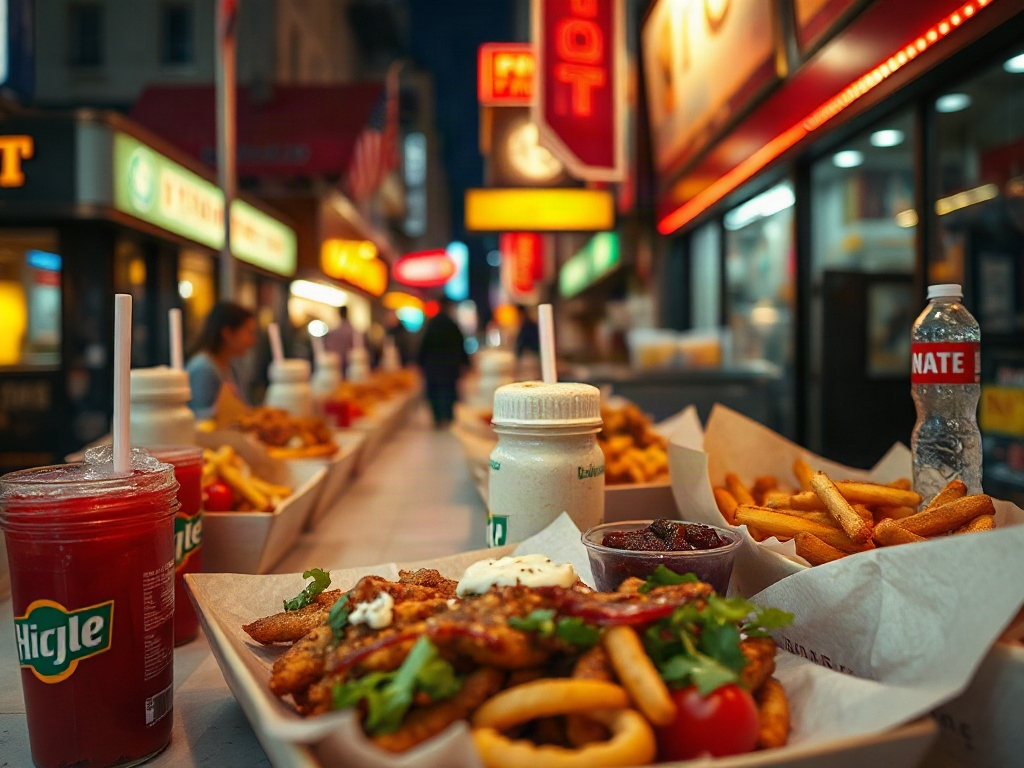
– Food halls and markets: Communal food spaces have reimagined casual dining—chefs and small vendors share storefronts and counter-service formats, making it easy to sample multiple cuisines in one visit.
– Plant-forward options: Restaurants and vendors are offering inventive plant-based dishes that appeal to vegans and omnivores alike, often spotlighting seasonal produce and bold flavor profiles.
– Late-night and delivery culture: A deep culture of late-night dining coexists with sophisticated delivery operations and ghost kitchens, so you can find nearly anything after regular hours.
Neighborhood picks for memorable eats
– Lower East Side & East Village: Known for lively bars and avant-garde dining, these neighborhoods are perfect for tasting menus, inventive small plates, and old-school delis that still pack a punch.
– Williamsburg & Bushwick (Brooklyn): A hotspot for new concepts, pop-ups, and neighborhood bakeries.
Expect contemporary brunches, specialty coffee, and international street food.
– Flushing, Queens: For an immersive, authentic experience, explore Flushing’s dense mix of Chinese, Korean, and Southeast Asian restaurants—often more affordable and less touristy than Manhattan counterparts.
– Arthur Avenue (Bronx): If you want traditional Italian markets, bakeries, and family-run trattorias, this area delivers quality ingredients and no-frills cooking.
– Food halls across boroughs: Great for groups or indecisive diners—look for curated vendor lists and rotating chef stalls.
Tips to dine like a local
– Timing matters: Beat the dinner rush by arriving early or late; many neighborhoods offer excellent restaurant availability outside peak hours.
– Reservations & walk-ins: Popular tasting menus and fine-dining spots require reservations, while counters and market stalls often operate on a first-come, first-served basis.
– Cashless is common: Many places are card-only and some small vendors may still prefer cash—carry both to stay flexible.
– Ask for recommendations: Staff and regulars often point to off-menu items or lesser-known neighborhood gems.
Markets, sustainability, and shopping
Farmers’ markets and neighborhood specialty shops are great for seasonal produce and artisanal pantry items. Many vendors now prioritize sustainable sourcing, zero-waste practices, and transparently labeled seafood and meat—look for menus that call this out if ethical sourcing matters to you.
Final bite
Exploring NYC’s food scene is as much about neighborhoods as dishes. Start with markets and food halls to sample broadly, then dive into a neighborhood where small restaurants and longstanding vendors give you the real flavor of the city. The constant churn of new openings means there’s always something worth discovering around the next corner—bring curiosity and an appetite.