New York City lifestyle blends relentless energy with surprisingly practical routines.
For anyone who lives, works, or spends significant time here, the art of thriving in a compact, fast-moving urban environment comes down to three things: smart space use, intentional time, and neighborhood knowledge. These approaches help you enjoy the culture, food, and green space without burning out or overspending.
Make small spaces feel spacious
Apartment sizes in the city are famously modest, so maximizing every square foot matters. Prioritize multifunctional furniture—think fold-down desks, sleeper sofas, and ottomans with storage. Vertical storage transforms cramped rooms: tall shelving, wall-mounted racks, and floating nightstands keep floors clear and sightlines open. Light colors and layered lighting (ambient, task, and accent) create depth. Finally, adopt a seasonal purge routine: clearing clothes, gear, and duplicates on a regular cadence keeps clutter from creeping back in.
Use outdoor space as an extension of home
Public parks, waterfront esplanades, and pocket gardens multiply living space without a mortgage. Bring a compact picnic blanket and a portable speaker for an easy outdoor living room; many neighborhoods offer pop-up markets and free cultural programming that make these spots feel communal. Bike lanes and pedestrian plazas have expanded across the city, so strolls, runs, and two-wheel commutes are more pleasant than ever. For many, local green spaces become the default meeting spot for friends, workouts, and downtime.
Navigate the food scene with strategy
The city’s food scene is vast and ever-changing. Instead of trying to hit every buzzy opening, balance splurge meals with reliable neighborhood staples and weekly market runs. Meal-prep in bulk to save money and reduce the temptation of constant takeout. For social dining, pick restaurants with shareable plates or prix-fixe options to control cost while sampling more. Supporting local businesses—corner delis, bakeries, and independent grocers—keeps community character alive and often offers better value than chain alternatives.
Move smart: transit, micromobility, and walking
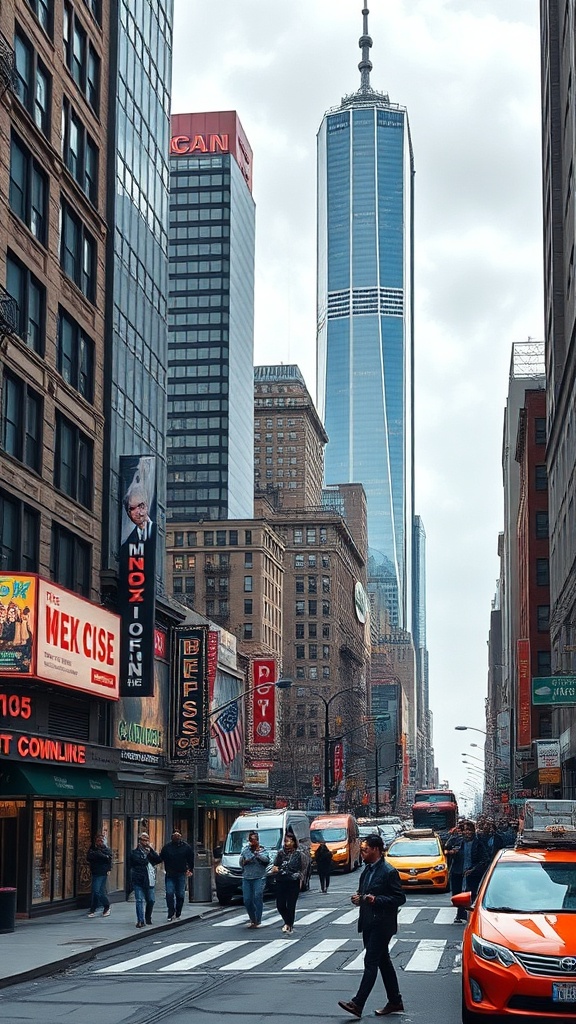
Public transit remains the backbone of getting around, but last-mile options like bike shares, scooters, and e-bikes are essential for cutting commute time. Walking remains one of the best ways to learn a neighborhood’s rhythm and discover hidden gems. When planning trips, combine modes—subway for longer legs, bike or walk for starts and finishes—to turn travel time into productive or restorative minutes.
Design work-life rhythms that fit the city
Hybrid schedules are common, so create a portable productivity kit: noise-cancelling earbuds, portable charger, and a compact laptop stand. Coffee shops and co-working spaces are functional alternatives to the home office; rotate locations to prevent burnout and keep social ties.
Block calendar time for errands, exercise, and neighborhood outings to avoid letting the city’s pace overwhelm personal time.
Live within a city budget
Cost control is central to sustainable city life. Use neighborhood apps and community boards for discount events, free museum hours, and local sales. Subscribe to a few curated newsletters that highlight weekend deals and pop-ups rather than trying to follow everything. Consider a membership or loyalty program at a local grocery or laundromat to reduce recurring costs.
Quick practical tips
– Use color-coded bins and labels for seasonal clothes and supplies.
– Keep a “go” bag with an umbrella, reusable water bottle, and metro pass.
– Schedule errands by neighborhood cluster to avoid repeated trips.
– Explore one new block or shop every month to keep discovery sustainable.
A sustainable, joyful life in the city comes from small choices that accumulate: better storage, smarter commuting, thoughtful spending, and a commitment to using public spaces. With a few practical habits, the city’s intensity becomes a source of opportunity rather than fatigue—full of food, culture, parks, and neighbors waiting to be discovered.