Experience NYC Like a Local: Neighborhoods, Transit, Eats, and Green Space
New York City rewards curious travelers and locals who look beyond the obvious sights. To experience NYC like a local, focus on neighborhood discoveries, smart transit choices, food diversity, and the city’s expanding network of public spaces.
These approaches reveal the city’s character and help avoid tourist traps.
Choose neighborhoods with personality
Skip the most crowded blocks and wander neighborhoods known for distinct vibes.
For a creative energy and street art scene, explore the lanes and galleries of Brooklyn neighborhoods where mural-lined streets meet independent shops. Queens offers stellar food from around the world — head to bustling avenues where immigrant-run restaurants serve authentic regional cuisines. In Manhattan, some pockets maintain quiet, tree-lined streets and neighborhood bakeries that feel like small towns within the city.
The Bronx has pockets of cultural heritage and vibrant markets worth visiting. Use neighborhood-focused searches and local reviews to find the best indie cafes, specialty bakeries, and late-night spots.
Navigate like a local
Public transit remains the fastest way to cross the city.
Familiarize yourself with the subway map and transit apps that show real-time arrivals and service changes. Contactless fare options and bike-share programs make short trips simple; using a bike for riverfront paths and select bridges is a popular local choice.
Walking often reveals hidden gems, so plan shorter goals per day rather than trying to cram in too many neighborhoods. For late-night returns, prefer well-lit, busier transit stations and rideshare pickups in designated areas.
Eat where New Yorkers actually eat
Street food, neighborhood delis, and small family-run restaurants often outshine the tourist-focused spots. Look for crowded counters where locals queue — that’s usually a sign of authenticity. Food halls bring many small vendors under one roof and are great for sampling regional specialties without multiple addresses. Farmers markets are excellent for seasonal produce, artisanal breads, and small-batch cheeses; they also offer a window into community life. Reservations are often essential for popular restaurants, but day-of walk-ins at smaller spots can yield delightful finds.
Make the most of public spaces
The city continuously converts underused spaces into parks, waterfront promenades, and pedestrian plazas. Elevated greenways, reclaimed piers, and seasonal open streets create walking and picnic opportunities with skyline views.
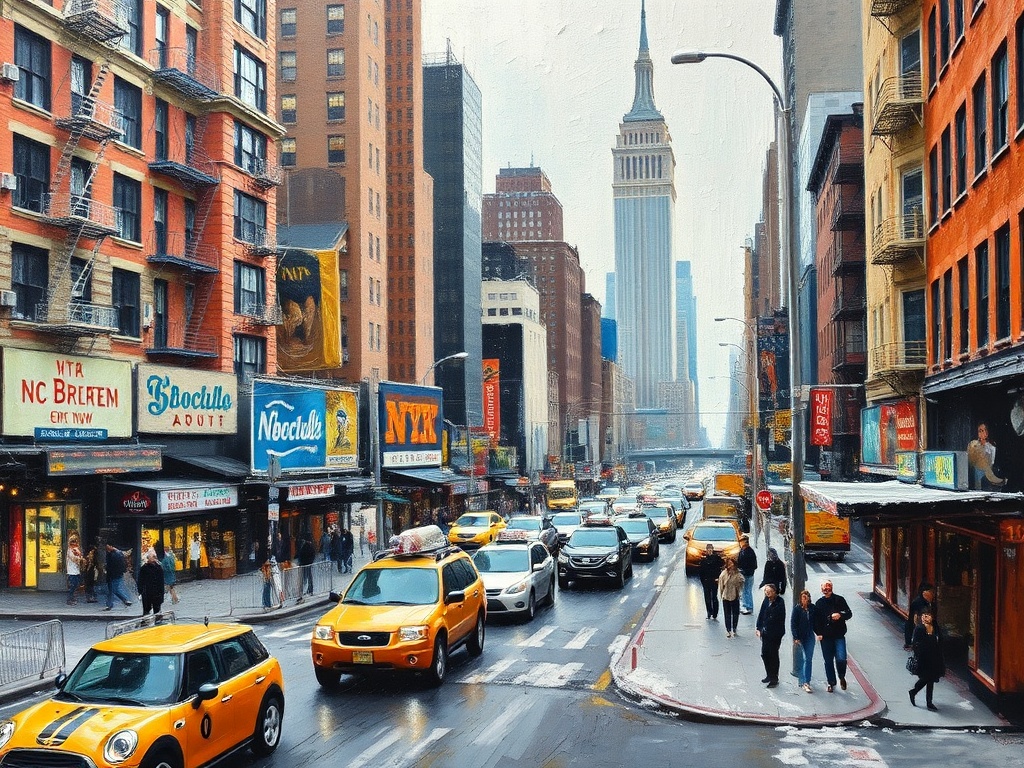
Bring a blanket, pick up takeout from a nearby vendor, and join locals lounging by the water or playing pickup sports. Smaller pocket parks and community gardens offer quiet breaks between museums and shopping.
Safety and smart planning
Keep valuables secure and be aware of your surroundings, especially on crowded trains and tourist hotspots.
Download apps for transit, maps, and local listings, and sign up for notifications from major cultural institutions about ticket releases and special programs. Many museums and performance venues offer free or reduced-price entry during specific hours — checking schedules can save money and deliver a richer cultural experience.
Tips for a richer visit
– Go beyond one iconic attraction per day to better soak in neighborhood life.
– Prioritize food markets, late-night diners, and local bakeries for authentic flavors.
– Reserve shows and museum tickets ahead when possible, but leave room for spontaneous discoveries.
– Use a mix of walking, cycling, and transit to see different city scales.
City life moves fast, but slowing the pace and tapping into local routines reveals the city’s best stories: the morning espresso on a stoop, a mural discovered down a side street, and a waterfront sunset seen from a neighborhood park. Those moments create memories that outlast any list of must-see landmarks.