How Pedestrian Plazas, Bike Lanes and Open Streets Are Rewriting New York City Life
New York City’s public realm is undergoing a visible shift: streets once dominated by cars are being retuned for people. Pedestrian plazas, protected bike lanes and open-streets programs have become a central part of neighborhood life, changing commutes, boosting small businesses and reshaping how residents and visitors move through the city.
The rise of pedestrian-first streets
Pedestrian plazas—those widened sidewalks and car-free pockets in commercial corridors—offer more than nicer places to walk. They provide vital outdoor seating for eateries, space for pop-up markets and safer zones for families. Neighborhoods that have embraced plaza conversions report increased foot traffic and longer dwell times, which translates into stronger sales for nearby shops and restaurants.
Protected bike lanes and safer cycling
Protected bike lanes, separated from traffic by curbs or parked cars, are transforming cycling from a niche activity into a practical daily option. These lanes cut down on conflicts with vehicles and make routes more accessible for riders of all ages. Bike-share programs have expanded coverage into outer neighborhoods, connecting transit hubs to residential streets and offering a flexible alternative for short trips.
Open Streets: community and commerce
Open-streets initiatives temporarily close select streets to motor vehicles, turning them into spaces for exercise, socializing and commerce. These closures provide an opportunity for communities to host street fairs, exercise classes and cultural events without the constraints of car traffic. Small businesses often see a bump in customers when streets are activated in this way, and residents gain a chance to experience a quieter, more social street life.
What this means for transit and traffic
Shifting space from cars to people requires careful planning. Well-designed projects aim to maintain vehicle access where necessary—emergency routes, deliveries and buses—while prioritizing sustainable transportation.
Transit agencies and city planners are coordinating improvements to bus lanes and signals to keep public transportation efficient, and cycling infrastructure often complements transit by easing the first-and-last-mile connection.
Economic and environmental benefits
Reducing car dependence brings measurable benefits. Less idling in traffic lowers emissions, improving air quality in dense neighborhoods. Pedestrianized streets also increase economic resilience by supporting outdoor dining and local retail. For property owners, aesthetically improved streetscapes can drive higher occupancy and steady foot traffic.
Tips for residents and visitors
– Explore by bike or foot: Use bike-share apps to plan short trips and try protected lanes on quieter side streets first.
– Support local businesses: Choose cafes and shops with outdoor seating or pop-ups in plazas and on open streets.
– Check city resources: Local transportation maps and neighborhood newsletters list open-street schedules and plaza locations.
– Stay smart about safety: Helmet use and visible clothing help cyclists; pedestrians should use crosswalks and remain alert to curbside traffic.
Design matters
Not all street transformations work the same way. Successful projects include seating, greenery, lighting and clear signage to make spaces inviting and safe around the clock.
Community involvement during planning leads to designs that reflect neighborhood needs—play areas for families, vendor spaces for entrepreneurs or accessible ramps for mobility devices.
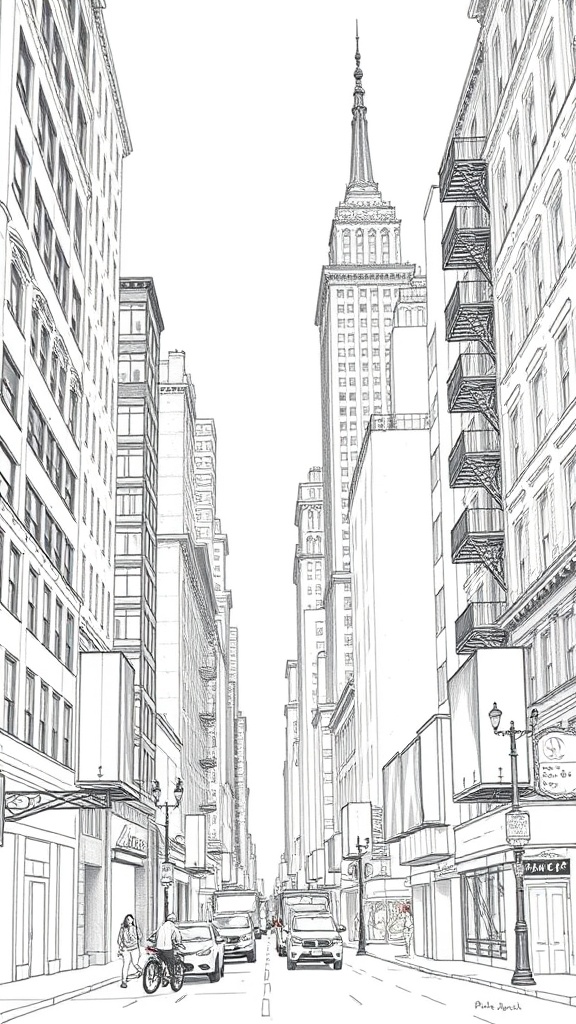
As cities continue to rethink street space, New York’s experiments with plazas, lanes and open streets point toward a more flexible, people-centered urban environment.
Whether commuting, shopping or looking for a new spot to linger, these changes open up more ways to experience the city on human terms.