Brooklyn: Where Waterfront Renewal, Neighborhood Culture, and Food Scenes Meet
Brooklyn continues to stand out as a dynamic mix of old‑school neighborhoods and forward‑looking development.
From leafy brownstone rows to repurposed industrial piers, the borough offers a compelling blend of culture, cuisine, and outdoor space that draws locals and visitors alike.
Waterfront activation and parks
Much of Brooklyn’s appeal comes from its waterfront. Former shipping piers and industrial stretches have been transformed into parks, promenades, and event spaces that make waterfront access a daily part of neighborhood life. These green corridors provide scenic jogging routes, community gardens, public art installations, and frequent pop‑up markets. For anyone exploring, walking or biking the shoreline is one of the best ways to appreciate the borough’s scale and vibe.
Neighborhood character and local commerce
Each Brooklyn neighborhood keeps its distinct flavor.
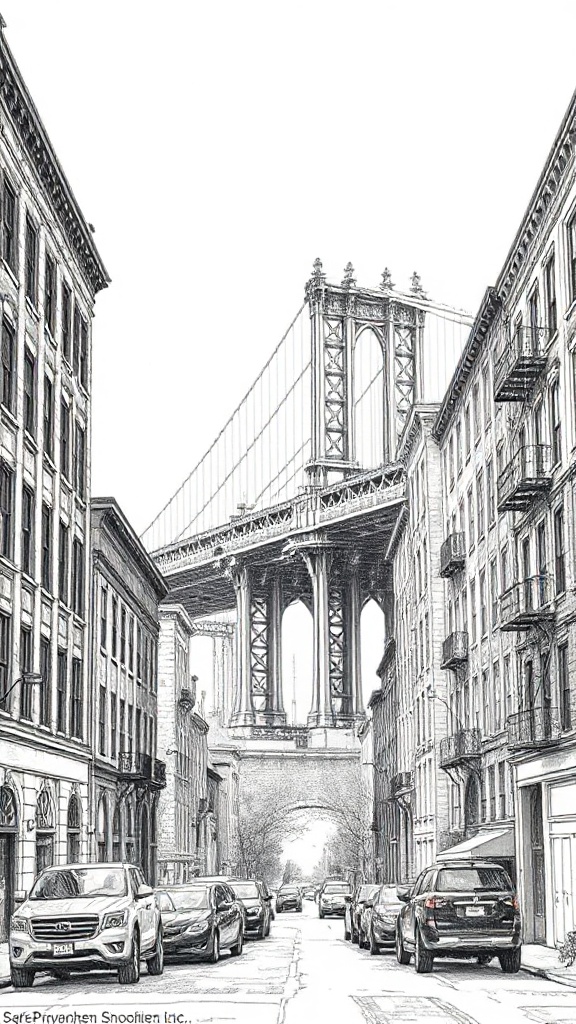
Cobblestoned streets and historic brownstones deliver classic charm, while pockets of contemporary architecture and mixed‑use developments introduce new energy. Small, independent businesses — coffee shops, bookstores, artisanal grocers, and neighborhood restaurants — anchor daily life and foster community resilience. Supporting these local storefronts helps preserve the character that makes each area unique.
Food and nightlife
Brooklyn’s food scene remains a big draw. Expect everything from wood‑fired pizzerias and farm‑to‑table restaurants to innovative quick service and multicultural eateries. Neighborhood outdoor dining, rooftop bars, and casual beer gardens make it easy to savor seasonal menus while enjoying city views. For nightlife, boutique music venues, intimate theaters, and art spaces offer alternatives to larger, more commercial scenes — great for discovering new artists and local talent.
Arts, culture, and creative spaces
Art galleries, studios, and cultural centers are woven throughout the borough. Community arts organizations run workshops and exhibitions; small theaters host experimental productions; and murals bring public spaces to life. These creative hubs double as social centers and attract a range of programming, from dance classes to film screenings, that keep cultural offerings fresh and accessible.
Transit and walkability
Public transit and bike infrastructure shape how people move around.
Subway and bus connections link Brooklyn to neighboring boroughs and downtown activity centers, while bike lanes and pedestrian upgrades make short trips more pleasant. For day‑to‑day life, many neighborhoods are highly walkable, a major reason people choose to live here.
Sustainability and community planning
There’s growing attention to sustainable development and climate resilience. Efforts include greening streetscapes, enhancing stormwater management, and retrofitting buildings for efficiency.
Community engagement is a key part of planning — residents and local organizations increasingly participate in shaping neighborhood improvements and public‑space programming.
Tips for visitors and new residents
– Prioritize walking and transit to get a genuine feel for the borough.
– Explore beyond headline neighborhoods; side streets often reveal the best cafes and shops.
– Check neighborhood event calendars for markets, open studios, and outdoor performances.
– Bring comfortable shoes — Brooklyn rewards slow exploration.
Brooklyn’s strength lies in its layered identity: a place where heritage meets experimentation, where locally run businesses thrive alongside thoughtful urban projects, and where public space connects communities. Whether you’re visiting for a weekend or scouting a neighborhood to call home, there’s always something new to discover by exploring on foot, supporting local merchants, and tuning into the borough’s rich cultural calendar.