New York City’s waterfront parks are among the city’s most inviting public spaces, offering sweeping skyline views, curated greenways, and lively cultural programming. Whether you’re a local looking for a new weekend route or a visitor chasing the best photo ops, exploring the city by its waterfronts delivers a fresh perspective on familiar neighborhoods.
Where to go
– Hudson River Park (Manhattan): Stretching along the west side, this linear park combines bike paths, piers with public art, and waterfront lawns. It’s ideal for long runs or sunset walks with uninterrupted views of the river.
– Brooklyn Bridge Park & Brooklyn Heights Promenade: These spots offer one of the most iconic photo backdrops of lower Manhattan and the bridge. The park blends playgrounds, picnic lawns, and piers with seasonal markets and outdoor movie nights.
– Domino Park (Brooklyn): Built on a reclaimed industrial site, this park celebrates waterfront history with preserved structures, a waterfront esplanade, and a standout playground design.
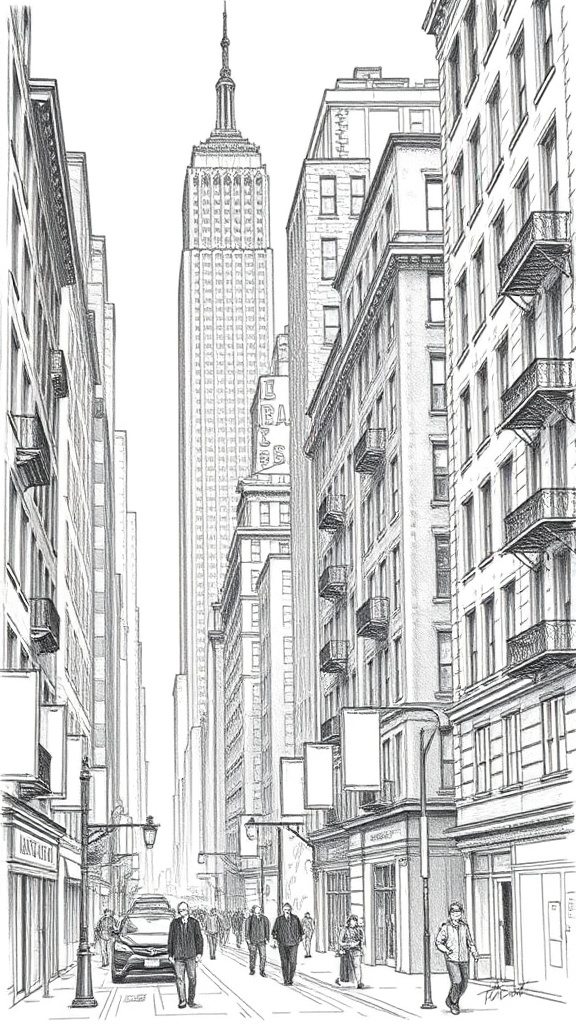
– Gantry Plaza State Park (Queens): This riverside green space presents unmatched views of Midtown Manhattan’s skyline and a relaxed pierside vibe perfect for picnics and photography.
– Governors Island: A short ferry ride away, the island is a car-free oasis with bike rentals, historic forts, art installations, and elevated lawns that feel miles from the city’s bustle.
– Staten Island & Snug Harbor: The Staten Island Ferry is a classic free ride for skyline views; further inland, Snug Harbor Cultural Center offers gardens, museums, and a quieter waterfront experience.
How to plan your visit
– Use public transit and ferries: Many waterfront parks are best accessed by subway or ferry to avoid parking hassles. Ferries not only get you there but add scenic value to the trip.
– Bring adaptable gear: Weather near the water can be breezy. Layered clothing, sunscreen, and a windbreaker will keep you comfortable for long walks or picnics.
– Time it for light: Early morning and late afternoon offer softer light for photography and fewer crowds.
Weekdays can be notably less busy than weekends.
– Rent a bike or walk: Continuous esplanades make biking an efficient way to cover more ground. Many parks have bike-share docks nearby.
Food and programming
Waterfront neighborhoods are hubs for food trucks, seasonal pop-ups, and waterfront restaurants. Look for rotating markets, outdoor concerts, and fitness classes that often populate piers and plazas. Check local park websites or social feeds for up-to-date calendars; many parks curate family-friendly events and cultural series throughout the year.
Accessibility and rules
Most major waterfront parks prioritize accessibility with ramps, wide paths, and ADA-compliant facilities. Leashed dogs are generally welcome, but some piers or playgrounds enforce restrictions—always check posted rules before arrival. For larger events, arriving early is recommended, as some areas close for setup.
Sustainability and stewardship
Many waterfront projects were born from reclamation and resilience planning, showcasing salt-tolerant plantings and storm-aware design. Visitors can support sustainability by following leave-no-trace practices, using refillable water bottles, and respecting wildlife habitats.
Exploring New York by its waterfronts reveals a layered city where industry, leisure, and skyline cinema meet. Each park offers a distinct mood—urban calm, active recreation, or cultural discovery—making the waterfront a go-to destination for both everyday escapes and special outings.