New York neighborhoods are always reshaping themselves—balancing long-standing local character with fresh energy from new businesses, public-space improvements, and changing transportation habits. Whether you live here or are planning to explore, noticing how streets, storefronts, and parks evolve reveals a lot about city life and where to find the best experiences.
What’s driving neighborhood change
Several trends are shaping neighborhoods across the boroughs. Local entrepreneurship is making a big comeback: independent cafes, family-run eateries, and bespoke retail stores are filling storefronts and restoring neighborhood hubs. Public-space activism is another force; community groups often work with the city to reclaim streets for pedestrian plazas, expand bike lanes, and protect pocket parks.
Finally, shifts in how people move—more biking and walking, selective public transit use, and flexible work patterns—are influencing what businesses and services thrive on a block.
Neighborhoods worth watching
– Williamsburg (Brooklyn): Still a cultural magnet, this neighborhood blends established creative scenes with quieter residential pockets. Expect galleries, artisanal food shops, and waterfront greenways that invite strolls and skyline views.
– Harlem (Upper Manhattan): A vibrant mix of historic institutions, new restaurants, and community arts programming. Cultural anchors, neighborhood markets, and music venues make it a strong place for both tradition and experimentation.
– Astoria (Queens): Known for diverse cuisine and an active street life, Astoria offers approachable dining, cozy cafes, and cultural institutions that reflect a global population. Its parks and waterfront areas provide easy ways to unwind.
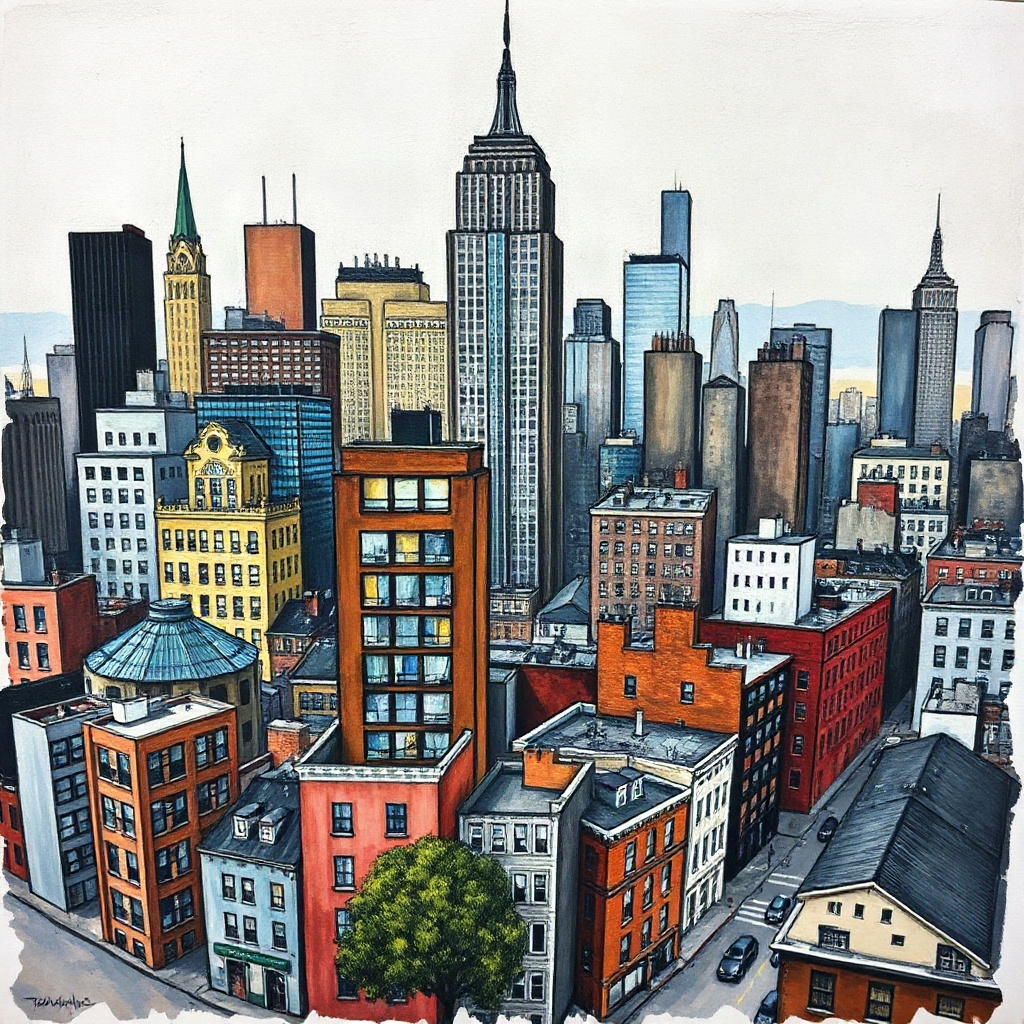
– DUMBO (Brooklyn): Compact and walkable, DUMBO’s cobblestone streets and converted industrial spaces host tech offices, creative studios, and riverside parks—drawing both visitors and longtime residents.
– Jackson Heights (Queens): One of the city’s most ethnically diverse neighborhoods, it’s a go-to for authentic international food, busy markets, and neighborhood festivals.
How to explore like a local
– Walk or bike: Many of the city’s best discoveries happen off the main avenues. Side streets reveal neighborhood bakeries, independent bookstores, and community gardens.
– Visit midday: Midday crowds are often lighter than evening peak times, and you’ll get a clearer sense of daily life—schools, local markets, and lunchtime spots.
– Check community calendars: Local cultural centers, libraries, and neighborhood coalitions post events that spotlight resident-led initiatives and pop-up markets.
– Support small businesses: Choosing independent shops and eateries helps preserve the unique character that makes each neighborhood special.
Design and resilience
New approaches to public space are making neighborhoods more resilient. Rain gardens, improved stormwater management, and expanded tree planting reduce heat and flooding in vulnerable areas. Streetscape upgrades—wider sidewalks, protected bike lanes, and traffic-calming measures—make daily life safer and more pleasant. Community-driven design often ensures these changes reflect local priorities.
Why it matters
Neighborhoods are the front lines where policy, culture, and daily life meet. Observing how streets, storefronts, and parks change gives a clear picture of what residents value and how a neighborhood might feel years from now. Whether you’re moving, visiting, or simply curious, taking the time to explore at street level offers the most rewarding insights into New York’s neighborhood rhythm.