New York neighborhoods are known for their distinctive personalities — from tree-lined blocks and brownstones to buzzy corridors of cafés, galleries, and startups. Navigating change while preserving neighborhood character is a central challenge for residents, small businesses, and planners. Understanding the forces shaping these areas helps communities steer growth in ways that feel local and livable.
What’s shaping neighborhoods now
Several ongoing trends influence how neighborhoods evolve:
– Transit and walkability: Access to subway lines, bus routes, and protected bike lanes boosts foot traffic and supports small shops and cafés. Transit-oriented improvements often become catalysts for new retail and housing.
– Commercial turnover: Rising rents and shifting consumer habits lead to frequent storefront changes. Pop-ups and short-term leases are filling gaps, while legacy businesses seek ways to survive.
– Public space investment: Park upgrades, plazas, and community gardens create attractive places to linger — benefiting nearby retailers and strengthening social ties.
– Housing pressures: Demand for housing near transit encourages development; preserving affordability is a persistent community concern.
– Cultural programming: Street fairs, block parties, and public art activate streetscapes and signal neighborhood identity.
Balancing growth and local character
Communities that manage change well focus on both policy tools and grassroots action:
– Support small businesses: Encourage local procurement programs, share vacancy data, and promote merchant associations to coordinate marketing and bulk services.
Short-term grants and flexible lease models can keep legacy businesses afloat.
– Activate vacant spaces: Pop-up retail, artist studios, and seasonal markets turn empty storefronts into lively destinations while testing new concepts for permanent tenants.
– Prioritize public space: Invest in benches, bike parking, lighting, and plantings. A well-designed plaza or pocket park raises the appeal of surrounding blocks and creates a gathering point for events.
– Preserve cultural assets: Map and protect community anchors — theaters, cultural centers, workshops — that give neighborhoods their distinctive flavor.
Cultural preservation often supports tourism and local pride.
– Advance equitable housing: Community land trusts, inclusionary zoning, and tenant protections help maintain diverse populations and protect long-term residents from displacement.
Practical steps for residents and business owners
– Get involved with local decision-making: Attend community board meetings, join merchant associations, and participate in planning workshops to influence zoning and street improvements.
– Collaborate on marketing: Neighbors can pool resources for coordinated promotions, seasonal events, and neighborhood guides that highlight local amenities.
– Embrace multi-use spaces: Businesses can share space for workshops, pop-ups, or co-working to increase foot traffic and diversify revenue.
– Use data wisely: Track foot traffic, customer patterns, and vacancy trends to make informed leasing and investment decisions.
Why neighborhood stewardship pays off
When residents, business owners, and local government collaborate, neighborhoods retain their unique identities while benefiting from new investment. Walkable streets, activated public spaces, and support for small businesses create resilient local economies that welcome change without losing what made the neighborhood special in the first place.
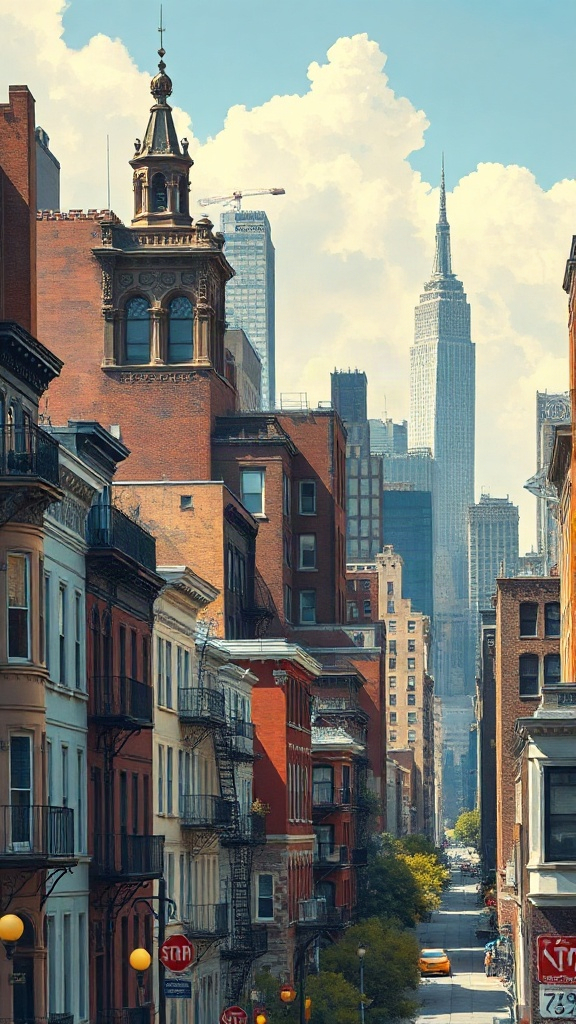
Whether you’re a long-time resident or new to the block, contributing to neighborhood stewardship helps ensure growth feels inclusive, vibrant, and rooted in the community’s character.