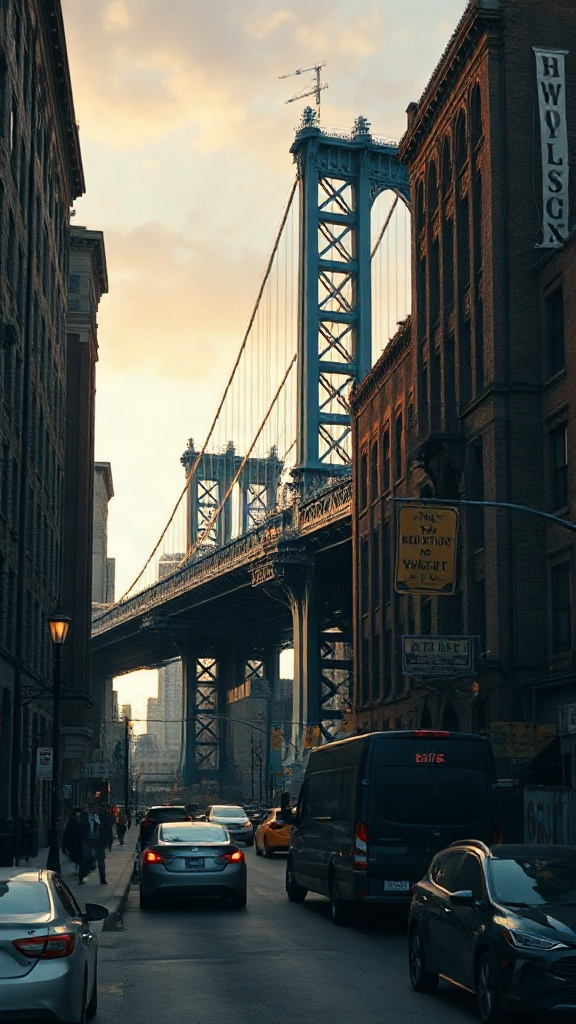
Brooklyn’s waterfront revival is reshaping how people live, work, and play
Brooklyn’s waterfront has become one of the city’s most dynamic corridors, blending historic industry with parks, food scenes, creative workplaces, and ambitious resilience planning. Whether you’re a local, a visitor, or someone watching urban transformation, there’s plenty happening along the East River and Upper New York Bay.
Parks and public space
A string of new and reimagined parks has transformed raw industrial edges into accessible green space. Longlinear waterfront promenades, restored piers, and pocket parks encourage walking, jogging, and sunset views. Popular destinations draw families, joggers, and photographers alike, while smaller parks tucked into formerly underused blocks offer quieter retreats.
These green corridors also connect to major inland parks, extending recreational options across neighborhoods.
Culture and commerce meet industry
Adaptive reuse is a hallmark of Brooklyn’s waterfront evolution. Former warehouses and factories are now home to design studios, craft manufacturers, film production spaces, and markets that showcase local food and artisanal goods. Creative hubs attract makers and tech startups alongside long-established blue-collar trades, creating a mixed-use economy that’s both resilient and diverse.
Food scenes and weekend markets
Waterfront neighborhoods host some of the borough’s buzziest food destinations. Waterfront markets and curated food halls bring together independent chefs and small producers, while waterside bars and restaurants capitalize on views and outdoor seating. For people seeking authentic neighborhood flavors, culinary options range from inventive tasting menus to beloved local pizza, bakeries, and international markets.
Transit, biking, and ferries
Improved transit connections, expanded bike lanes, and ferry services make the waterfront more accessible than ever. Dedicated protected bike infrastructure links waterfront promenades to inland streets, encouraging cycling commutes and recreational rides. Ferry routes that stop at multiple waterfront points offer scenic, practical alternatives to cross-river travel, complementing subway and bus connections.
Climate resilience and infrastructure
Waterfront revitalization increasingly emphasizes climate resilience. Community-driven planning and large-scale infrastructure projects aim to protect neighborhoods from storm surge and flooding while preserving public access to the shoreline. Efforts include engineered shorelines, floodable public spaces, and upgraded stormwater systems designed to balance safety with recreation and ecology.
Community, affordability, and planning tensions
Growth brings opportunity and tension.
Longtime residents and small businesses have organized to influence development plans, advocating for affordable housing, workspace protections, and culturally sensitive redevelopment. Debates over zoning, industrial preservation, and housing equity continue to shape how new projects are reviewed and executed, making civic engagement a central part of the waterfront conversation.
What to do and where to go
– Walk the waterfront promenades for skyline views and public art
– Visit weekend markets and food halls for local flavors
– Explore converted industrial sites to see makers and studios
– Hop a ferry for a scenic commute or short hop across the river
– Check community boards and local event listings for pop-up markets, gallery openings, and outdoor concerts
Brooklyn’s waterfront offers a model of urban renewal that balances culture, commerce, and climate awareness.
For those who want to experience the borough’s evolving identity firsthand, the waterfront is a concentrated showcase of what makes Brooklyn both distinct and forward-looking.