New York neighborhoods are evolving into more walkable, community-focused places where streets, small businesses, and green spaces shape daily life. Whether you’re a longtime resident or visiting for the first time, noticing how each neighborhood redefines itself reveals the city’s ongoing reinvention.
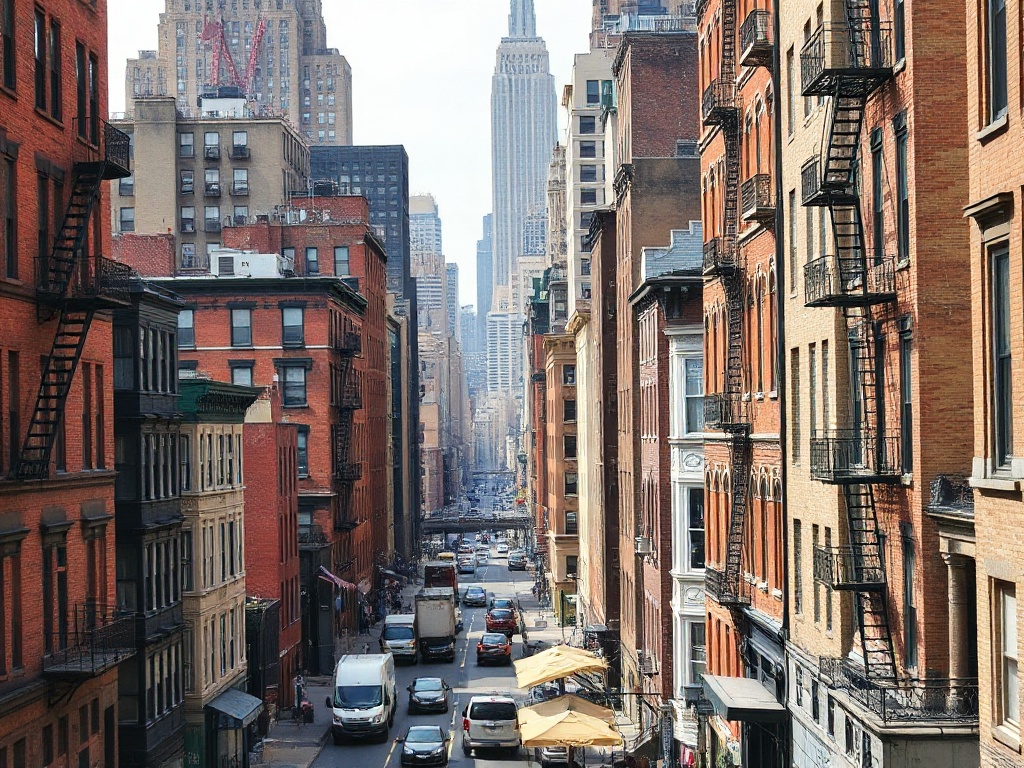
What’s changing
Streets are being reclaimed for people rather than just cars. Pop-up plazas, extended sidewalks, and bike lanes encourage walking, outdoor dining, and neighborhood commerce. Micro-mobility options—scooters, bike-shares, and improved bike infrastructure—make short trips faster and help connect transit hubs with pockets of local life.
Greener blocks
Community gardens and pocket parks have multiplied, often tucked between brownstones or on reclaimed parking strips.
These small greenspaces serve as neighborhood living rooms, hosting seasonal markets, neighborhood barbecues, and volunteer-led plantings.
Rain gardens and permeable pavements are being introduced in some corridors to reduce runoff, while tree-planting initiatives aim to cool sidewalks and improve air quality.
Small business resurgence
Locally owned cafes, specialty grocers, and creative studios anchor many neighborhoods.
Landlords and community groups have collaborated to support storefront incubators that let entrepreneurs test concepts with lower rent and shared services.
Food scenes continue to diversify: late-night bakeries, neighborhood bistros, and experimental markets draw steady foot traffic and help maintain a 24-hour urban pulse without the anonymity of big-chain districts.
Cultural vitality and public art
Murals, pop-up performance spaces, and block parties animate public space. Local arts coalitions partner with businesses to sponsor rotating murals and projection events that celebrate neighborhood histories and emerging voices.
This creative energy often boosts civic pride and invites residents to participate in place-making.
Housing and affordability pressures
As neighborhoods become more desirable, affordability remains a pressing concern. Community land trusts, co-op conversions, and tenant organizing are among the grassroots responses aimed at preserving long-term residents’ access to affordable housing. Zoning adjustments and development negotiations with community boards shape how new buildings fit into the existing fabric.
Transit and connectivity
Transit-rich neighborhoods continue to attract people who value reduced car ownership.
Contactless fare systems and integrated transit apps make multimodal trips smoother, while transit-oriented development encourages amenities near stations.
For quieter neighborhoods farther from major lines, improved bus service and prioritization of pedestrian safety help bridge the gap.
Tips for exploring neighborhoods like a local
– Walk a few blocks rather than sticking to the main avenue; side streets reveal the best cafes, independent shops, and small parks.
– Visit a community garden or farmer’s stall; these spots are social hubs where neighbors meet and share information.
– Check local event calendars and small arts venues for pop-ups and performances that capture the neighborhood’s flavor.
– Use bike lanes and pedestrian paths—short trips can be quicker and more enjoyable without driving.
– Support a locally owned shop or restaurant; small spending goes a long way in sustaining neighborhood character.
The takeaway
New York neighborhoods continue to balance growth with community needs. By prioritizing walkability, public space, and local business, many areas are shaping a livable, resilient urban fabric that values both diversity and everyday convenience. Whether you want vibrant nightlife, quiet tree-lined blocks, or culturally rich avenues, exploring neighborhood by neighborhood reveals a dynamic city that keeps reinventing itself from the ground up.