New York Neighborhoods: How to Choose, Explore, and Appreciate the City’s Local Character
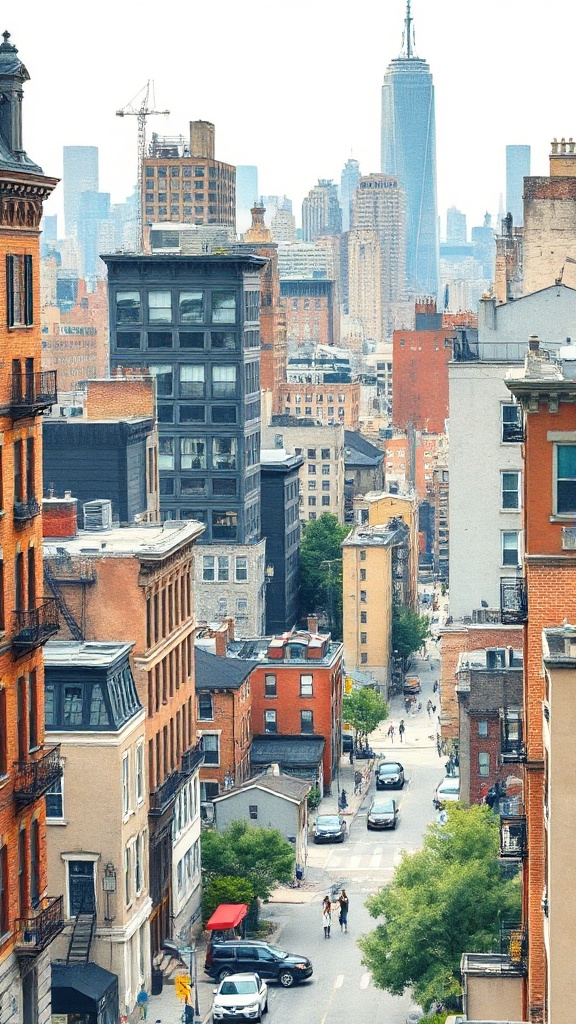
New York’s neighborhoods are where the city’s energy becomes personal. Each block tells a different story — from tree-lined brownstones and family-run delis to mural-covered industrial lots and waterfront promenades.
Whether you’re visiting, moving, or just curious, focusing on neighborhood character helps you experience the city like a local.
What to look for
– Walkability and transit: Good subway access or frequent bus service changes how you live, work, and socialize. Walkable blocks with nearby grocery stores, parks, and cafes make day-to-day life easier and more enjoyable.
– Amenities and services: Check for neighborhood staples such as pharmacies, doctors, laundromats, and schools. Small businesses and farmers’ markets signal a strong local network.
– Green space and outdoor life: Parks, waterfront paths, and pocket parks matter for dog owners, families, and anyone who likes to exercise outside. Look for access to larger parks as well as smaller community gardens.
– Cultural life: Galleries, music venues, historic institutions, and community centers shape a neighborhood’s personality. Areas known for nightlife might trade quiet evenings for vibrant late-night options.
– Housing mix and streetscape: Brownstones, prewar co-ops, new high-rises, and converted lofts each bring different living experiences and price points. Consider noise, natural light, and building amenities alongside aesthetics.
Neighborhood highlights to experience
– Brooklyn offers a mix of historic and creative hubs: find leafy family blocks, bakery-lined avenues, and vibrant arts scenes. Waterfront neighborhoods combine skyline views with new parks and weekend markets.
– Manhattan neighborhoods range from quiet residential streets to bustling commercial corridors. Some areas emphasize cultural institutions and dining; others focus on niche shopping, nightlife, or quiet brownstone living.
– Queens is a mosaic of global cuisines and diverse communities. Neighborhoods here often deliver lower rents for comparable space and excellent ethnic food offerings.
– The Bronx blends historic landmarks, revitalized waterfronts, and green corridors. Community gardens, performance spaces, and local baseball culture add regional flavor.
– Staten Island provides a suburban-feel escape with waterfront parks, historic districts, and a different pace of living while still being connected to the rest of the city.
How to research and explore
– Walk the neighborhood: Spend a few hours at different times of day to sense noise levels, safety, and street life.
Notice where residents gather — benches, cafes, or parks.
– Talk to locals: Shopkeepers, baristas, and dog walkers are practical sources of insight about parking, deliveries, building management, and nearby amenities.
– Use local resources: Neighborhood blogs, community board websites, and newsletters provide updates on development projects, street closures, and events. Social media groups can also be useful for immediate neighborhood chatter.
– Try the commute: Test the route to work during rush hour and an off-peak time. A short commute change can make a big difference in daily quality of life.
Respect and stewardship
Support local businesses and participate in community initiatives when possible. Neighborhoods thrive when residents advocate for clean streets, equitable development, and inclusive public spaces. Small actions — shopping locally, attending a block association meeting, or volunteering at a garden — keep the city’s neighborhood fabric resilient.
New York’s neighborhoods evolve, but the best ones keep a balance between honoring their history and embracing new life. Explore with curiosity, listen to the local rhythm, and you’ll find the corner of the city that fits your lifestyle.