NYC Food Scene: Balancing Iconic Flavors and New Culinary Directions
New York City’s food landscape is a dynamic blend of time-honored classics and bold experimentation. From corner bodegas and halal carts to elevated tasting menus and plant-based fine dining, the city’s culinary identity is as diverse as its neighborhoods.
Here’s a look at the trends shaping what New Yorkers eat and where to find the most interesting flavors.
Staples that still define the city
Certain foods remain synonymous with New York — thin-crust pizza by the slice, deli sandwiches piled high, and bagels with schmear.
These staples endure because they’re adaptable: a classic slice sits comfortably beside artisanal, wood-fired pies and Neapolitan-style pizzas. Delis and bodegas continue to serve as everyday lifelines, offering convenience, cultural continuity, and a dependable place to sample authentic local flavors.
Food halls, neighborhood gems, and global influence
Food halls have transformed how people dine, offering curated selections from multiple vendors under one roof.
They’re convenient for groups with different tastes and a good way for small chefs to test concepts without a full restaurant investment. At the same time, intimate neighborhood spots — family-run kitchens and tucked-away counters — continue to thrive.
These places often introduce New Yorkers to underrepresented cuisines, like West African, Filipino, and regional Latin American specialties, enriching the city’s palate.
Plant-based and sustainable shifts
Plant-forward cooking has moved beyond cafes into high-concept restaurants and mainstream menus. Chefs are using seasonal produce, whole grains, and creative umami sources to craft dishes that satisfy without relying on traditional proteins.
Sustainability matters: restaurants emphasize local sourcing, reduced food waste, and ethical seafood.
Diners are increasingly asking about supply chains and carbon-conscious choices, which is reshaping menus and supplier relationships citywide.
Delivery, ghost kitchens, and hybrid dining
The expansion of delivery platforms has changed expectations around speed and convenience. Ghost kitchens — delivery-only culinary operations — allow chefs to reach customers without a full dining room, accelerating menu experimentation.
Many brick-and-mortar spots now operate parallel takeaway models, which means higher-quality restaurant dishes are more accessible from home than ever. For those who still crave atmosphere, rooftop and outdoor dining options remain popular, especially where neighborhood permits and creative design turn urban rooftops into seasonal dining destinations.
Tech, accessibility, and worker voice
Technology influences everything from reservation systems to contactless payment and online ordering. At the same time, conversations about fair wages and worker conditions are more visible, prompting some establishments to adopt transparent pricing, service-included checks, or revised staffing models. Accessibility — both in menu design and physical spaces — is increasingly considered, helping more people enjoy NYC’s culinary offerings.
Tips for exploring the scene
– Mix classic and new: try a beloved staple then seek a newcomer in the same neighborhood.
– Use food halls to sample multiple cuisines without committing to one restaurant.
– Look for small, family-run places for authentic regional dishes you won’t find in tourist guides.
– Check menus online for sourcing notes if sustainability and local ingredients matter to you.
New York City’s food scene remains a conversation between tradition and innovation.
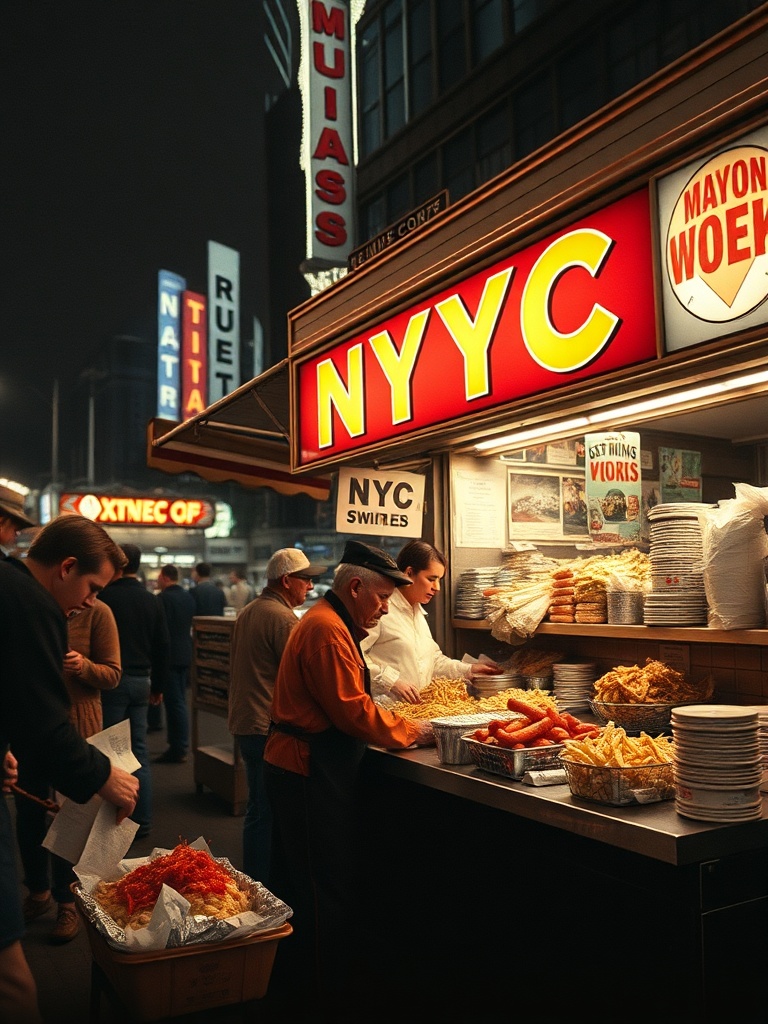
Whether searching for the perfect slice, a bold plant-based tasting menu, or a late-night vendor dishing out comforting classics, the city offers an ever-evolving feast that rewards curiosity and a willingness to explore beyond the familiar.