Manhattan remains a magnet for culture, commerce, and bold urban planning—an island where skyscrapers, parks, and neighborhoods continually adapt to new needs.
Whether you’re planning a visit, scouting neighborhoods, or following city planning, understanding the trends shaping Manhattan helps you get the most out of the borough.
Neighborhoods to watch
– Midtown and Midtown East continue evolving with new mixed-use projects and upgraded transit access. Large office corridors are increasingly being reimagined to include housing, retail, and life-science space.
– Hudson Yards and the adjacent West Side have redefined what a modern neighborhood can be, blending public plazas, art installations, and riverfront greenways.
– Lower Manhattan keeps balancing financial services with a growing residential population and a lively food-and-nightlife scene.
The Battery and Seaport areas are focal points for waterfront access and resiliency projects.
– Uptown neighborhoods maintain their residential appeal with access to major parks, museums, and quieter streets, while smaller enclaves across the island preserve strong local identities.
Parks, public space, and resilience
Public spaces are central to Manhattan’s identity. Major green lungs—Central Park and the High Line—remain top draws, while smaller pocket parks, community gardens, and waterfront promenades have gained renewed attention.
Riverfront improvements along both the Hudson and East Rivers prioritize recreational access while integrating climate resilience measures like raised berms, floodwalls, and recreational plazas.
These efforts aim to keep the island accessible and livable as coastal weather patterns shift.
Getting around
Manhattan’s dense grid is complemented by an extensive transit network: subway lines, buses, commuter rails, ferries, and an expanding network of protected bike lanes. Bike-share programs and ferry expansions have made short cross-river commutes easier and more scenic. Congestion management and traffic policies continue to shape how people move within the borough, influencing delivery strategies, commute choices, and real-estate demand near transit hubs.
Real estate and adaptive reuse
The built environment is in flux. Large office buildings are seeing creative conversions into residential units, educational facilities, and labs. Mixed-use development prioritizes walkability and ground-floor retail to support neighborhood life. Sustainability is increasingly a selling point: new construction and major retrofits emphasize energy efficiency, electrification, and green roofs. For buyers and renters, location near transit, parks, and good schools remains a top priority, while affordable housing and community preservation are ongoing civic concerns.
Culture, dining, and nightlife
Manhattan’s cultural calendar is anchored by theaters, museums, galleries, and concert venues, offering both headline attractions and offbeat discoveries. Food culture thrives across the island—from refined dining rooms to bustling food halls and neighborhood delis—reflecting an ever-changing culinary landscape influenced by global flavors and local innovation.
Street markets, pop-ups, and seasonal festivals add texture to everyday city life.
Tips for visitors and residents
– Prioritize neighborhoods based on lifestyle needs: transit access, green space, nightlife, or quiet residential streets.
– Use multimodal transit options—subways, buses, ferries, and bike-share—to avoid single-point congestion.
– Explore beyond headline attractions to find neighborhood parks, independent galleries, and family-run restaurants that reveal the borough’s character.
– Keep an eye on public projects and zoning changes that can affect neighborhood dynamics and property values.
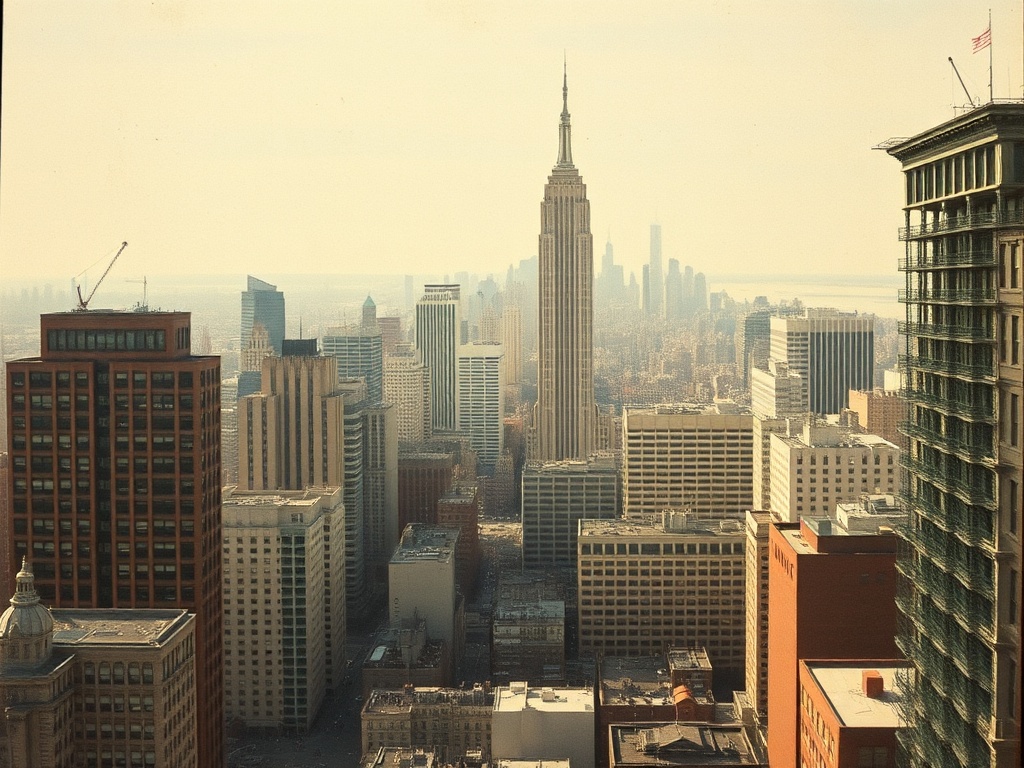
Manhattan continues to balance heritage with change, offering a dynamic urban experience shaped by architecture, community activism, and smart planning.
Whether exploring for a weekend or building a life there, the island’s mix of opportunity, culture, and public space keeps it consistently compelling.