Manhattan continues to reinvent itself, balancing a world-class cultural scene with pragmatic responses to a changing climate and shifting urban needs. From shorelines reshaped for resilience to neighborhoods retooling former office space, the island offers a case study in urban adaptation and vibrant city life.
A skyline of reuse
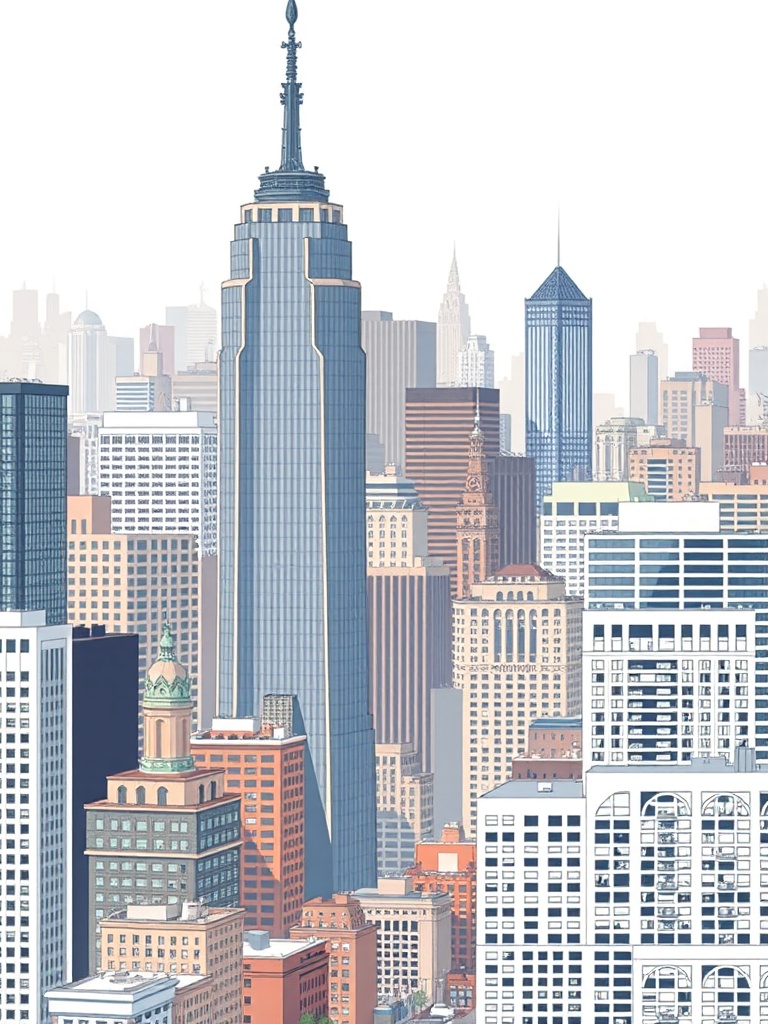
The iconic skyline still draws attention, but much of the action now happens inside the façades. Office-to-residential conversions have reshaped downtown and midtown corridors, creating new mixed-use blocks and injecting residents into areas that were once strictly business districts. This transition supports local retail, spreads foot traffic beyond traditional neighborhoods, and helps enliven streets after office hours.
Public space as infrastructure
Manhattan’s parks and waterfronts serve double duty: they’re leisure destinations and pieces of climate infrastructure.
Elevated greenways, expanded bike lanes, and redesigned waterfront promenades are engineered to absorb stormwater, reduce heat islands, and provide flexible gathering spaces for festivals and everyday recreation. Projects that integrate flood protection—using berms, seawalls, and multifunctional parks—make the island more resilient without sacrificing access to the river.
Transit and mobility shifts
Mobility in Manhattan is more multimodal than ever. Subway modernization and expanded ferry routes work alongside bike-share programs and pedestrian-first streets to give New Yorkers and visitors more choices. Congestion-reduction measures and curbside management initiatives are reshaping deliveries and ride services, improving safety and encouraging foot traffic. For short trips, walking remains the most practical way to experience the city’s density and diversity.
Cultural institutions and nightlife
Museums, theaters, and galleries continue to innovate, blending in-person exhibitions with hybrid programming to reach wider audiences. Neighborhood arts scenes remain lively—off-Broadway venues, small galleries in Chelsea and the Lower East Side, and pop-up performance spaces offer fresh, intimate cultural experiences. Nightlife adapts too: rooftop bars and neighborhood cocktail lounges coexist with longstanding music venues, creating varied evening options across the island.
Dining and retail evolution
Manhattan’s food scene keeps evolving, driven by creative chefs, international influences, and a renewed focus on sustainability. Neighborhoods that once centered on commerce are now home to late-night eateries, specialty grocers, and experiential retail that prioritize local sourcing and customer experience. Small businesses and independent restaurants anchor community identity while major culinary destinations continue to attract diners from around the region.
Real estate and affordability challenges
Rising demand for centrally located housing and the conversion of commercial properties into residences create both opportunities and pressures. Efforts to increase affordability and preserve diversity across neighborhoods remain central to planning conversations. Incentives for mixed-income developments, adaptive reuse strategies, and a focus on public amenities aim to keep Manhattan accessible to a broad mix of residents.
Tips for experiencing Manhattan differently
– Walk a waterfront route from uptown to downtown to see contrasting public-space approaches.
– Explore converted neighborhoods after dusk to feel how new residential life animates streets.
– Visit smaller cultural venues for cutting-edge performances and local art shows.
– Use transit apps to combine ferries, bikes, and subways for the most efficient trips.
Manhattan’s character comes from constant layering—historic brownstones and cutting-edge towers, permanent institutions and pop-up experiences, everyday streets and celebrated landmarks. That dynamic mix, along with ongoing investments in climate resilience and mobility, keeps the island both iconic and adaptive. Explore neighborhoods with fresh curiosity to see how the city’s past and future coexist on every block.