New York City’s waterfronts have quietly become some of the city’s most exciting public spaces. Once dominated by industry and shipping, these edges of land and water have been transformed into parks, promenades, cultural venues, and active transportation corridors that invite residents and visitors to experience the city from a different perspective.
Why the waterfront matters
Waterfront revitalization has opened up miles of formerly inaccessible shoreline. Today, parks and esplanades provide room for exercise, relaxation, and community programming while improving storm resilience and urban biodiversity.
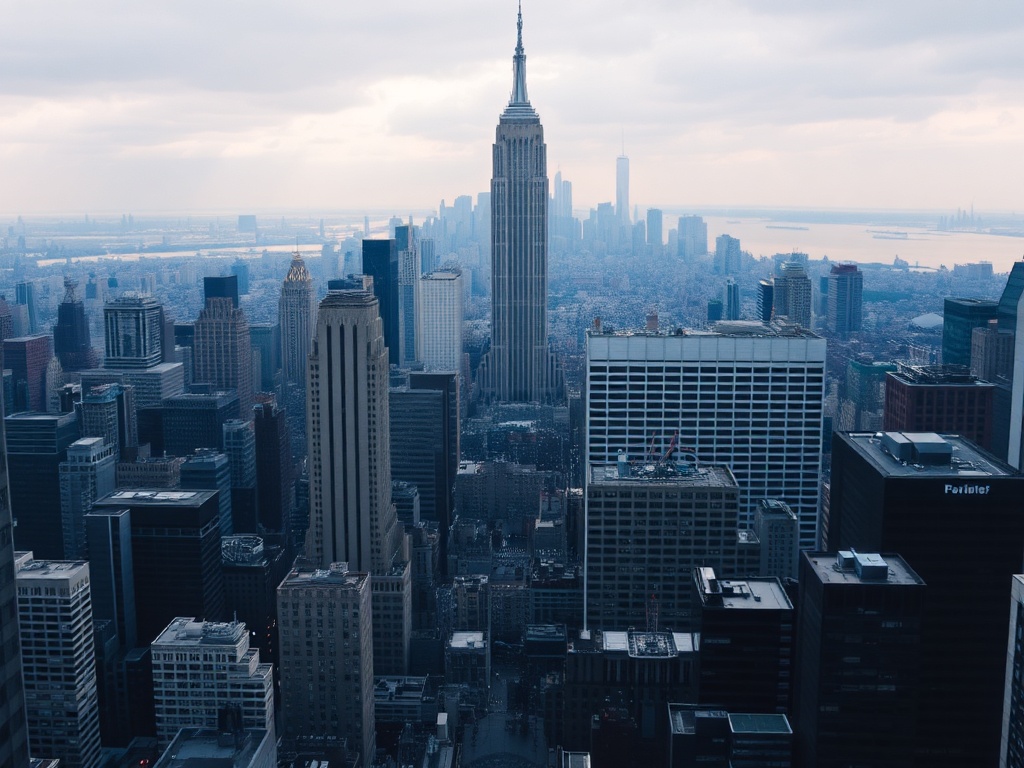
For anyone looking to see the city beyond skyscrapers, the waterfront reveals Brooklyn brownstones reflected in the East River, Hudson River sunsets behind Manhattan’s West Side, and the activity of ferries and kayaks up close.
Top waterfront experiences
– Walk Brooklyn Bridge Park: Stretching along the East River, the park offers panoramic skyline views, piers converted into green lawns and sports courts, and family-friendly attractions.
It’s a great spot for sunrise photos or an evening stroll when the city lights come on.
– Stroll the Hudson River Park: Running along Manhattan’s west side, this long ribbon of parkland includes piers, pathways, and athletic fields. Look for pop-up events, outdoor fitness classes, and quiet benches away from busier tourist corridors.
– Explore the East River Esplanade and Gantry Plaza: From Long Island City, you can see Manhattan’s glassy facades across the water. The gantries and piers make for excellent picnic settings and photo backdrops.
– Try a waterfront cultural stop: Small performance venues and art installations have found homes on the piers and in converted warehouses. Check local listings for concerts, film screenings, and outdoor exhibitions.
Getting around and practical tips
– Use the water: Ferries and water taxis are both transportation and sightseeing.
Riding the ferry provides scenic transit and an alternative to crowded subway lines.
– Bike or walk: Many waterfront paths are bike-friendly and connect to broader cycling networks. Citi Bike docks are often located near major piers and parks for easy pickup and drop-off.
– Pack layers: Waterfront breezes can be surprisingly cool, even on warm days. A light windbreaker and comfortable shoes make exploration easier.
– Time your visit: Early mornings and weekdays offer quieter moments; evenings bring lively atmospheres and skyline views. Weekends often host markets and performances, so arrive early if you prefer a less crowded experience.
– Eat local: Waterfront neighborhoods boast diverse culinary options, from market stalls to riverside cafes. Sampling food near the water adds a flavorful local dimension to the outing.
Environmental and community impact
Beyond leisure, waterfront projects often focus on coastal resilience and habitat restoration. Green infrastructure—like wetlands, bioswales, and storm-resistant landscaping—helps manage flood risk while creating habitat for birds and pollinators. Community-led programming ensures that these spaces serve local needs, offering recreation, education, and equitable access to open space.
Where to start
Pick a neighborhood that complements your interests: parks and play areas for families, cultural piers for arts lovers, or long promenades for runners and cyclists. Combine a waterfront walk with a ferry ride and a neighborhood coffee shop to turn a simple outing into a full-city experience.
The waterfront offers a fresh way to see New York City—calmer, greener, and more connected to the natural elements that shape urban life. Whether you’re seeking views, exercise, or a relaxed afternoon, the shoreline is one of the city’s best-kept open-air destinations.