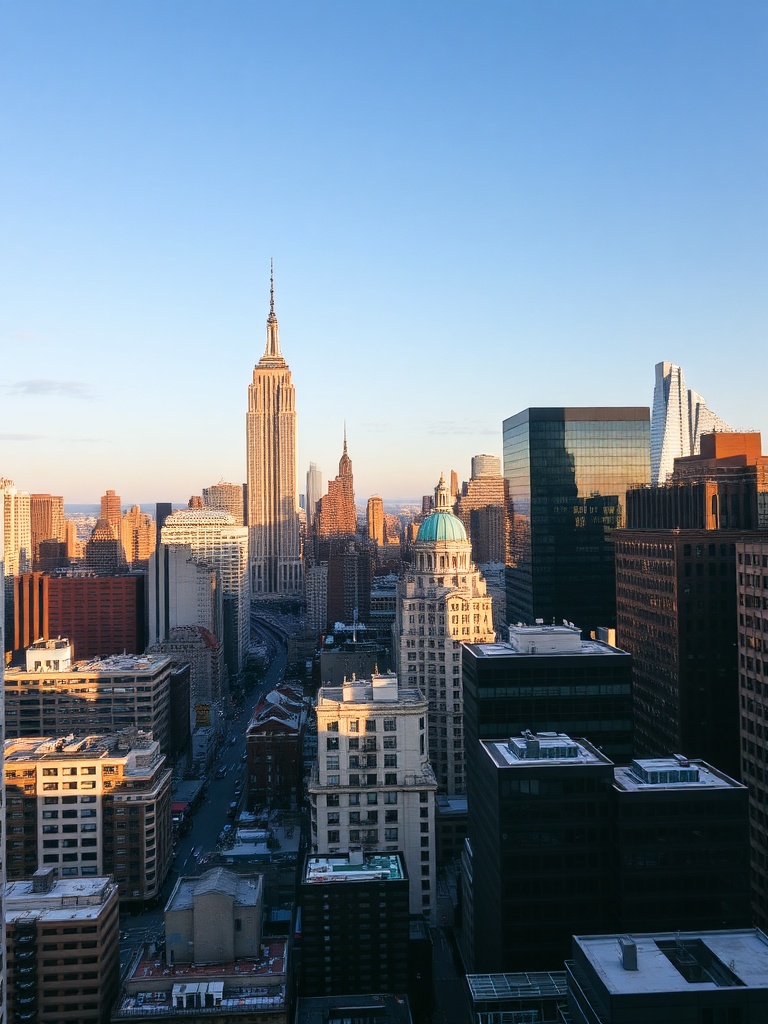
Manhattan is redefining what a dense urban landscape can feel like by turning rooftops, linear parks, and vacant lots into thriving green spaces.
As the island adapts to climate pressures and changing lifestyles, these efforts are improving air quality, reducing heat, and creating inviting places for neighbors and visitors alike.
Greening the skyline: rooftop gardens and green roofs
Rooftop gardens are multiplying across office towers, apartment buildings, and cultural venues. They’re no longer luxury amenities but practical investments that reduce energy costs, absorb stormwater, and extend roof lifespan. Building owners are pairing native plantings with beekeeping, edible plots, and small recreational decks to create multifunctional terraces that serve biodiversity and people. For residents, rooftop access has become a major quality-of-life factor — offering quiet outdoor space without leaving the neighborhood.
Linear parks and pocket parks: making every square foot count
Linear parks like repurposed rail lines and waterfront esplanades show how narrow corridors can deliver big returns. These spaces foster walking and cycling, connect commercial districts to residential areas, and act as wildlife corridors for pollinators. Meanwhile, pocket parks and “parklets” have emerged on formerly underused lots and widened sidewalks, providing seating, trees, and small play areas. Municipal programs and local nonprofits often support these projects, making it easier for community groups to adopt and maintain green spots.
Community gardens: grassroots ecology and social fabric
Community gardens continue to be anchors in many neighborhoods, offering plots for growing food, sharing skills, and holding neighborhood events. They play a crucial role in food equity by providing fresh produce and nutrition education in parts of the city with limited access to grocery stores. Garden stewardship builds social bonds and creates visible, long-term green assets that benefit well beyond their fences.
Resilience benefits: managing stormwater and urban heat
Green infrastructure in Manhattan does more than beautify.
Bioswales, permeable paving, and planted rooftops slow stormwater runoff, reducing pressure on aging sewer systems and helping to prevent basement floods. Extensive tree planting and green coverings mitigate the urban heat island effect, lowering local temperatures and reducing cooling demand for buildings. These nature-based solutions are cost-effective complements to hard infrastructure upgrades.
Design trends and accessibility
Designers are integrating accessibility and year-round use into new green projects. Raised planters, durable seating, and all-season plant palettes extend usability beyond warm months. Light-touch lighting and layered planting create safe, welcoming spaces after dark. Inclusive design ensures that people of all ages and mobility levels can enjoy Manhattan’s green assets, encouraging regular use and long-term stewardship.
How to engage and enjoy
– Visit local community gardens during open hours and volunteer for planting or clean-up days.
– Seek rooftop public spaces at libraries, cultural centers, and some residential lobbies that host seasonal events.
– Use walking routes that link linear parks and waterfront paths for low-impact, scenic commutes.
– Join local conservancies or neighborhood groups to stay informed about projects and funding opportunities.
Manhattan’s green transformation is practical and people-centered. Whether you’re a resident, worker, or visitor, these evolving green spaces make the island healthier, more resilient, and more livable — one rooftop, lot, and block at a time.