New York City is warming faster than many residents realize. Rising temperatures and longer heat spells amplify risks for seniors, outdoor workers, children, and anyone without reliable air conditioning. The city is responding with a mix of big-picture policy and neighborhood-level fixes designed to cool streets, buildings, and people.
Why heat matters here
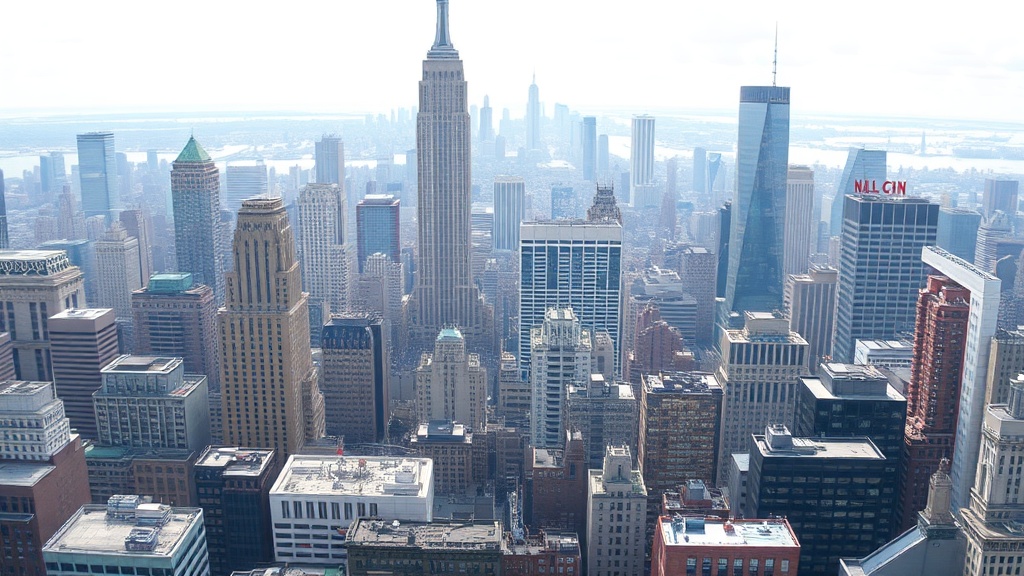
Dense pavement, tall buildings, and limited tree canopy turn urban neighborhoods into heat traps. Temperatures in built-up areas can feel several degrees hotter than nearby parks or waterfronts, increasing heat-related illnesses and straining the power grid during peak demand.
Heat also interacts with air pollution, compounding respiratory and cardiovascular risks.
What the city is doing
City agencies are expanding a toolbox that includes: cool roofs and reflective materials to reduce rooftop heat gain; green roofs and rain gardens that lower surface temperatures while managing stormwater; street tree planting to increase shade and improve air quality; and pilot projects for cool pavements that reflect more sunlight than traditional asphalt. Public cooling centers are available in community centers, libraries, and select public buildings during extreme heat events, and outreach efforts target neighborhoods identified as especially vulnerable.
Neighborhood-focused strategies are important because heat doesn’t hit every community equally.
Efforts to map heat exposure and social vulnerability help prioritize tree planting, shade structures, and outreach where they’ll do the most good. Workforce protections — such as heat-safety guidance for outdoor workers and expanded rest breaks — are being promoted across industries.
What residents can do now
Practical steps at the household level make a big difference and are affordable for many:
– Use window films, blackout curtains, or reflective shades to keep direct sunlight out during hot afternoons.
– Create cross-ventilation by opening windows on opposite sides of your apartment during cooler parts of the day; use fans strategically to move air.
– Consider light-colored or reflective roof coatings if you own your building or can coordinate with your landlord or co-op board.
– Plant shade trees or container plants on balconies; even small green interventions lower surrounding temperatures and improve comfort.
– Know your nearest public cooling center and sign up for local emergency alerts so you’ll be notified when the city activates heat resources.
– Check on elderly neighbors, people with mobility challenges, and anyone who lives alone to make sure they can access cooling.
Business and building practices
Property owners and managers can reduce heat impacts while cutting energy costs. Installing green roofs, upgrading insulation, and switching to high-efficiency cooling systems reduce energy bills and demand on the power grid. Building codes and incentive programs increasingly encourage such upgrades; financing and incentive options are often available through municipal or state energy programs.
Long-term resilience
Greening, shading, and cooling the city requires coordinated public-private action. Investment in urban canopy expansion, building retrofits, and resilient infrastructure benefits health, lowers energy costs, and mitigates flood risk by improving stormwater absorption. Community organizations play a central role by helping residents access resources, participate in planning, and implement localized cooling measures.
Heat will continue to be a major urban challenge, but practical strategies—both small and large—can make New York’s neighborhoods safer and more comfortable.
Staying informed, checking on vulnerable neighbors, and adopting simple cooling practices at home add up to meaningful change across the city.