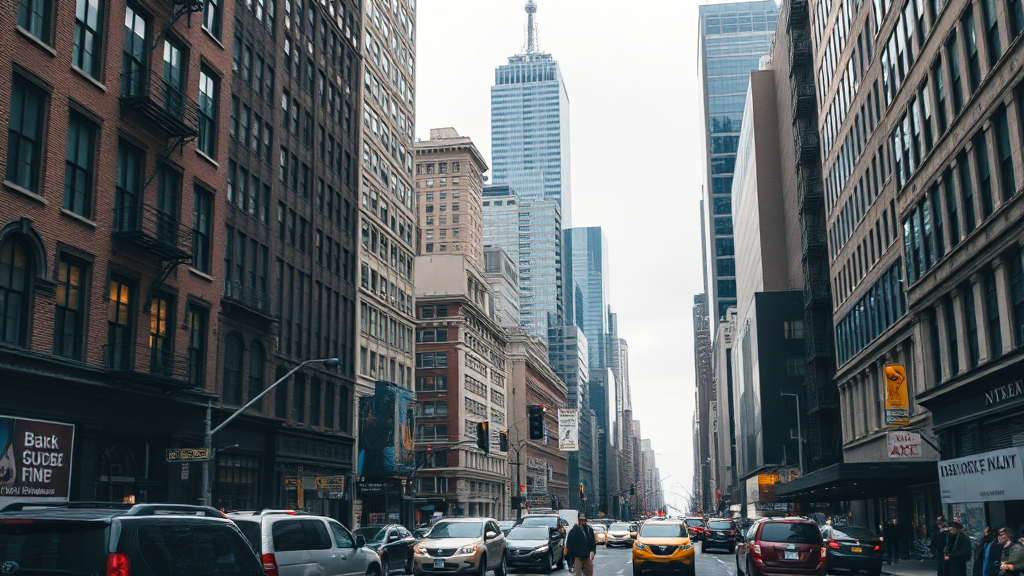
New York City, often hailed as the city that never sleeps, is renowned globally for its bustling metropolis filled with towering skyscrapers, dazzling Broadway shows, and an energetic art scene. But amidst the concrete jungle, the city also harbors a hidden gem – the thriving urban gardens tucked away in pockets of greenery amidst the steel and glass landscape.
New York City’s urban gardens are an oasis in this bustling city, offering residents and visitors alike a place to unwind, relax, and take in nature’s beauty. These green spaces are much more than just aesthetically pleasing; they significantly contribute to the city’s sustainability efforts, promote a sense of community, and offer an incredible array of educational opportunities.
Today, urban gardens are an integral part of NYC’s skyline, filled with a rich biodiversity that is not typically associated with city life. From rooftop gardens to community plots, these green spaces bring in a breath of fresh air, literally and figuratively. They enable New Yorkers to cultivate fruits, vegetables, and herbs, providing an eco-friendly alternative to store-bought produce and facilitating a deeper understanding of the food cycle.
Urban gardens also help combat the heat island effect, a phenomenon where metropolitan areas are significantly warmer than their rural surroundings due to human activities. By introducing green spaces, cities can reduce ambient temperatures and subsequently lower energy consumption, making them a vital component in the fight against urban heat and climate change.
But beyond their environmental benefits, these gardens play a crucial role in fostering a sense of community. In the hustle of NYC life, these communal spaces act as social hubs where people can connect with their neighbors and nurture shared interests.
Participation in gardening can also provide therapeutic benefits, reducing stress levels and improving overall mental well-being.
New York City’s urban gardens are also educational hotspots. Schools, community centers, and non-profit organizations often utilize these green spaces for workshops and classes, teaching everything from sustainable farming techniques to the importance of biodiversity. For young city-dwellers, these gardens can be their first introduction to nature’s wonders, inspiring a new generation of environmental stewards.
One simply can’t talk about NYC’s urban gardens without mentioning the Battery Urban Farm in Lower Manhattan, a shining example of an urban green space.
Situated within Battery Park, this one-acre educational farm grows over 100 different organic crops annually and serves as an outdoor classroom for students and community volunteers.
In the heart of Brooklyn, the Greenpoint Rooftop Farm is another must-visit.
Besides offering stunning views of the Manhattan skyline, this 6,000 square foot rooftop garden grows a variety of organic produce, demonstrating the potential of urban farming in building a sustainable food system.
The urban gardens of NYC are a testament to the city’s resilience and innovation. They represent a balance between urbanization and nature, showcasing how metropolitan cities can harmoniously coexist with the environment. So, the next time you’re in the city that never sleeps, take a moment to explore these green havens and discover a side of NYC that is often overlooked but teeming with life.