New York City’s waterfronts and parks offer one of the best ways to experience the city’s energy while escaping the crowds. From elevated gardens to riverfront promenades, these green spaces and piers provide scenic views, cultural programming, and ways to move around without a car.
Here’s a practical guide to exploring NYC’s outdoor life like a local.
Why the waterfront matters
Waterfront parks transformed industrial edges into public places where people walk, bike, picnic, kayak, and enjoy public art.
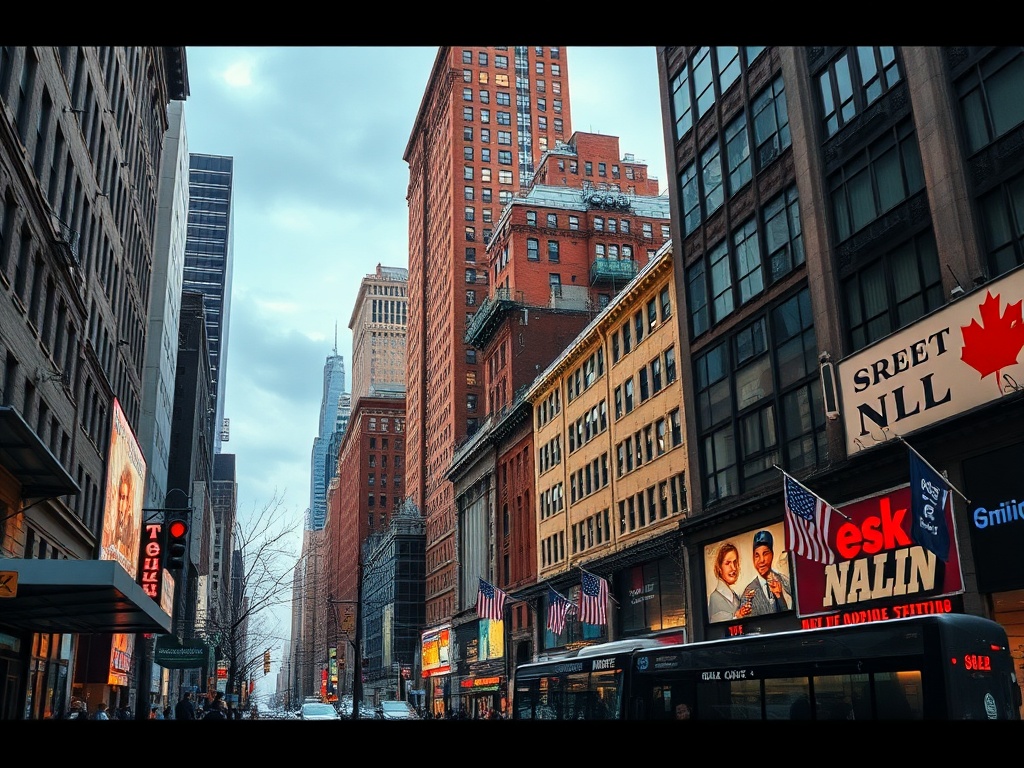
They create continuous green corridors that link neighborhoods, boost outdoor dining, and host free performances and seasonal markets. Whether seeking skyline views, family-friendly playgrounds, or sunset spots, the waterfront is where New Yorkers unwind.
Top outdoor spots to prioritize
– High Line (Manhattan): An elevated linear park built on historic rail infrastructure. Gardens, art installations, and seating niches make it ideal for a slow stroll or an urban picnic; arrive early to avoid peak crowds.
– Brooklyn Bridge Park: Iconic views of Manhattan, restored piers, sports fields, and waterfront lawns. The esplanade is excellent for running and offers multiple access points to nearby neighborhoods.
– Hudson River Park: A long ribbon along Manhattan’s west side with piers, playgrounds, and bike paths that link the Meatpacking District to the Battery.
– Governors Island: Car-free island reached by short ferry rides. Wide-open lawns, bike and scooter rentals, and seasonal cultural events make it perfect for daylong escapes.
– East River Greenway and Brooklyn Heights Promenade: Quiet stretches for walkers seeking unobstructed river views and historic brownstone scenery.
Getting around and making the most of your visit
– Use ferries and water taxis: Ferries connect boroughs and deliver memorable skyline perspectives. The Staten Island ferry is an iconic, no-cost option for dramatic harbor views.
– Rent a bike or ride-share: Citi Bike and local rental shops make it easy to move between piers and parks. Many waterfront paths are bike-friendly but remain courteous to pedestrians.
– Time your visit: Early mornings and weekdays are calmer; late afternoons deliver golden-hour light for photos. Weekends tend to be lively with events and food vendors.
– Pack essentials: Comfortable shoes, a foldable picnic blanket, reusable water bottle, and a lightweight jacket for breezy waterfront conditions.
– Respect rules and city signage: Some piers have restricted access or scheduled programming.
Check park websites or signage for closures, permitted activities, and restroom locations.
Food and culture by the water
Waterfront neighborhoods have blossomed with waterfront dining, seasonal food markets, and pop-up bars. Look for vendors near major piers and park entrances, or plan a picnic with takeout from local delis, bakeries, or farmers’ markets.
Many waterfront parks also host performance series, outdoor film screenings, and public art—ideal for low-cost cultural outings.
Accessibility and family-friendly features
Most major waterfront parks include accessible entrances, stroller-friendly paths, and playgrounds. Check individual park resources for ADA details and ferry accessibility if mobility is a concern.
Why locals keep going back
Waterfront parks offer a rhythm of city life that changes with the light and seasons: morning runners, lunchtime office crowds, families on weekends, and artists catching sunset. They’re low-cost, high-return ways to enjoy fresh air, discover new neighborhoods, and see the city from a different vantage point.
Ready to explore? Pick a neighborhood, plan one or two park stops, and let the riverfront paths lead the way. The next discovery could be a quiet bench with a skyline view, a lively market, or a hidden garden you’ll come back to again and again.