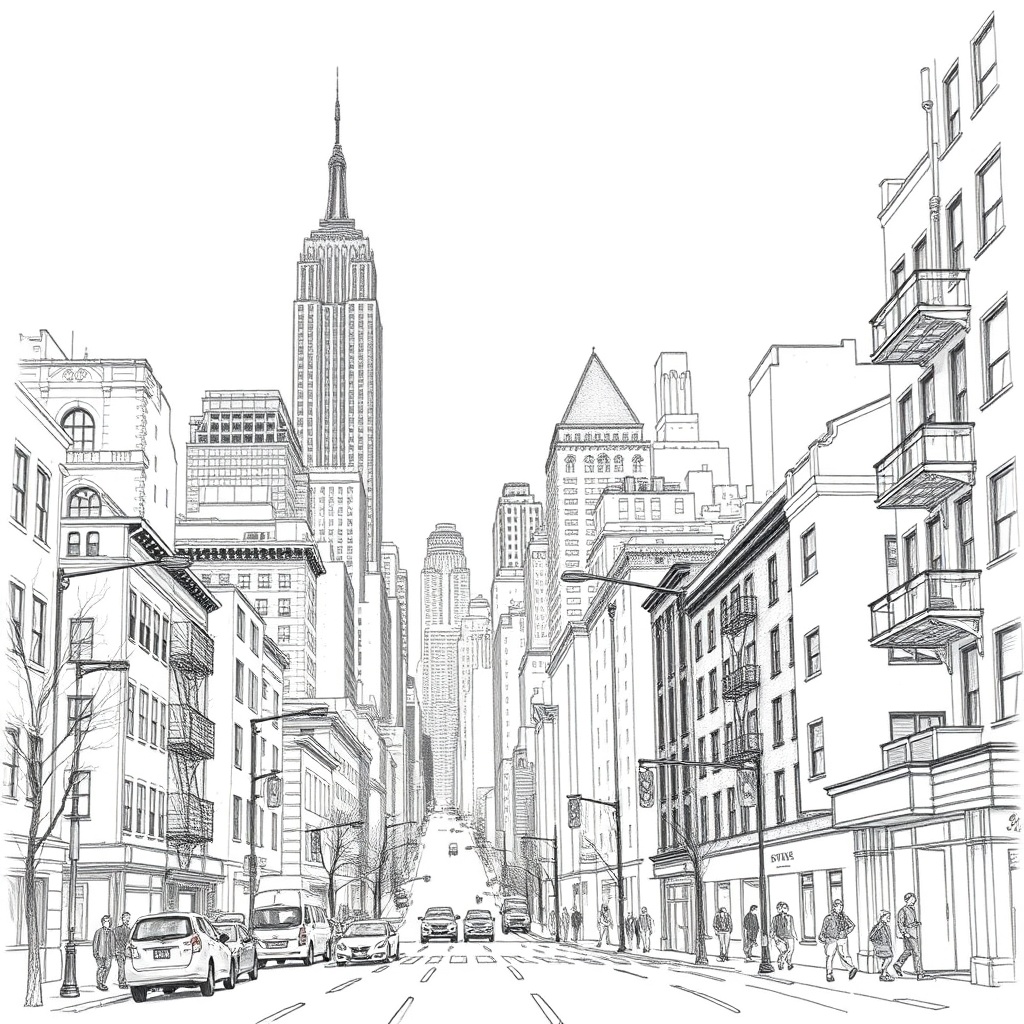
New York City, often associated with towering skyscrapers, bustling streets, and non-stop energy, has recently been making waves in an unexpected arena: urban green spaces.
From Central Park to the High Line, today’s urban planners are increasingly focusing on the integration of nature into the city’s fabric, creating lush oases amidst a sea of steel and concrete.
Central Park, an iconic green space, has long been the city’s lungs, offering a respite from the urban rush. It’s a place where one can enjoy a leisurely row across the lake, watch an open-air Shakespeare play, or simply relish the peace and tranquility within its serene landscapes. However, Central Park is no longer the only show in town when it comes to urban greenery.
The High Line, a recent addition to the city’s green spaces, has been a game-changer. What was once an old freight rail line has been transformed into a beautiful linear park. The elevated walkway is adorned with native plants and offers spectacular views of the cityscape. It’s a testament to how innovative thinking can repurpose redundant infrastructure into something valuable and cherished by the community.
Another green giant making a mark is the Brooklyn Bridge Park. Spanning 85 acres, this waterfront park has everything to offer – from soccer fields and barbecue areas to a stunning carousel and amazing skyline views. It’s a shining example of how urban planning can create inclusive spaces that cater to various needs and interests.
These green spaces are not merely aesthetic additions; they also play a pivotal role in promoting sustainability. The vegetation helps to mitigate the urban heat island effect, improve air quality, and reduce stormwater runoff. Moreover, they offer a habitat for urban wildlife, contributing to biodiversity within the city.
In addition to their environmental benefits, these green spaces contribute to the mental and physical well-being of New Yorkers. They offer much-needed respite from city living, creating environments where people can exercise, socialize, and connect with nature. Green spaces in cities have been associated with improved mood, reduced stress levels, and enhanced cognitive function.
Furthermore, these parks serve as social hubs, fostering a sense of community. Families, friends, and couples flock to these spaces for picnics, concerts, and even stargazing.
They are venues for cultural events, environmental education, and community gatherings, strengthening social ties and promoting cultural exchange.
The transformation of New York City’s urban spaces is a testament to the city’s commitment to sustainability and quality of life. Rather than surrendering to an entirely steel and concrete jungle, New York City has embraced the concept of urban green spaces, enhancing the liveability of the city. It’s an exciting time for the city as planners, architects, and residents reimagine and reshape the urban landscape.
This shift towards greener urban spaces is not just a trend but a necessity in today’s world. It shows that while cities may be hubs of commerce, culture, and innovation, they can also be places where people can connect with nature, breathe in fresh air, and enjoy the tranquility amidst the hustle and bustle. New York City’s evolving green landscape is setting a compelling example for urban centers worldwide, demonstrating that city living and nature can indeed coexist harmoniously.