Mastering Transit in New York City: Practical Tips for Getting Around Faster
Getting around New York City can feel intimidating, but with a few smart habits you can move through subway cars, buses, ferries, and bike lanes with confidence. Whether you’re commuting, sightseeing, or running errands, these practical tips help save time, reduce stress, and make travel more enjoyable.
Plan with real-time tools
Real-time transit apps are essential.
Use a mix of options—official transit apps, Google Maps, Citymapper, or specialized apps that show live subway and bus arrivals. Check for planned service changes before you leave; maintenance and repairs frequently alter schedules and routes, especially on weekends. When possible, build a small time buffer for delays.
Pay contactless and carry alternatives
Contactless payment systems have simplified boarding—tap a contactless card, smartphone, or wearable where accepted. Some services still accept legacy fare media, so carry a backup option if you rely on a single payment method. For ferries and private services, check payment options ahead of time; many require app-based tickets or card payments.
Subway etiquette and time-saving moves
– Stand right, walk left on escalators.
– Let passengers off before boarding to avoid crowding the doorway.
– If a train is full, wait one more train to avoid being stuck in a crowded car.
– Move toward the center of the car to find seating or less crowded standing space.
– Be mindful of rush-hour etiquette: keep bags on your lap or at your feet and use headphones.
Buses: strategies for faster rides
Curbside buses can be quicker for short, cross-town trips.
Use contactless or app payments to speed boarding.
If you have a stroller or wheelchair, request priority boarding; drivers can assist with the ramp. To avoid missing your stop, track the bus with a live app or set an alert for your destination.
Bike, scooter, and micro-mobility tips
Bike lanes continue to expand across the city, including protected lanes on major corridors. Wear a helmet, use lights at night, and obey traffic signals. When using bike-share or scooter services, inspect the vehicle briefly before starting, lock bikes when you finish, and park in designated zones to avoid fines. Stay aware of local regulations—some boroughs have different rules for e-scooters and dockless devices.
Ferries and scenic routes
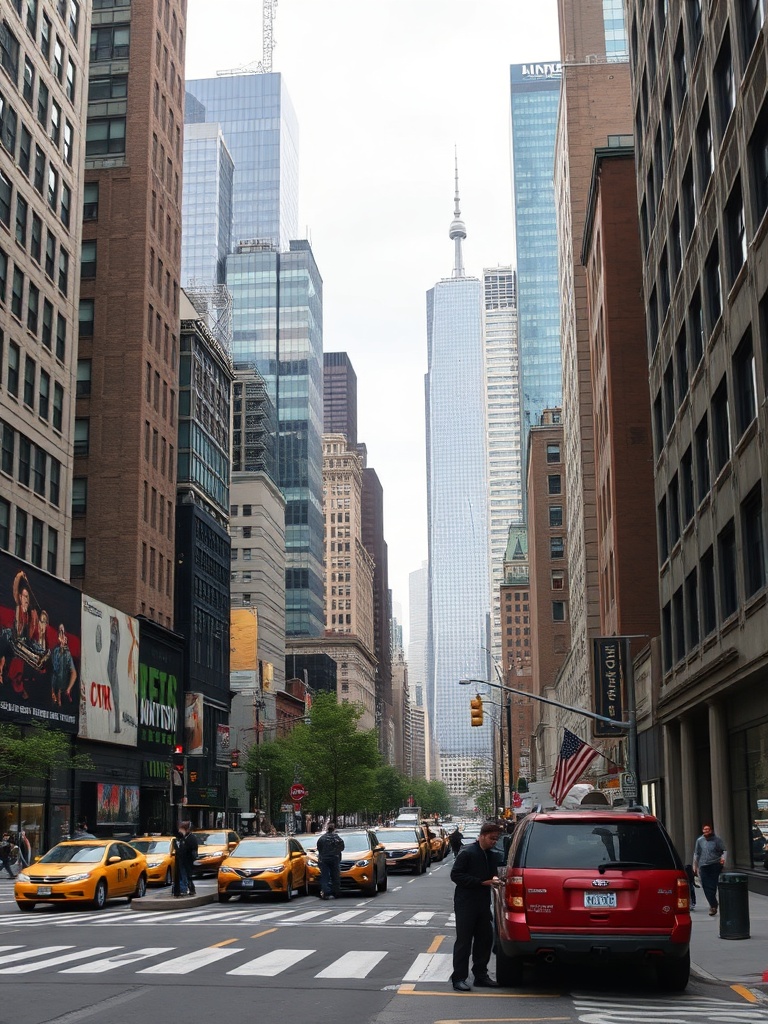
Ferries offer a relaxing, scenic alternative with less crowding than peak transit lines. They can be a practical commute option for certain neighborhoods and a pleasant way to see the skyline. Check schedules and boarding points, and plan for extra walking time at piers.
Accessibility and comfort
If you need elevators or ramps, review station accessibility maps beforehand; not all stations have full elevator service. For long trips, carry a portable charger and a refillable water bottle. Layer clothing for temperature changes between underground platforms and outdoor waiting areas.
Safety and the last mile
Stay aware of your surroundings, especially late at night. Share your route with someone if you’re traveling unfamiliar paths. For the last mile, consider a short bike-share ride, scooter, or cheap rideshare—these can be cheaper and faster than taxis for short distances.
Adopting a few of these habits will transform how you experience transit in the city—making daily trips smoother, more predictable, and often faster. Keep your apps updated, stay flexible, and use the mode that best fits your route and schedule.