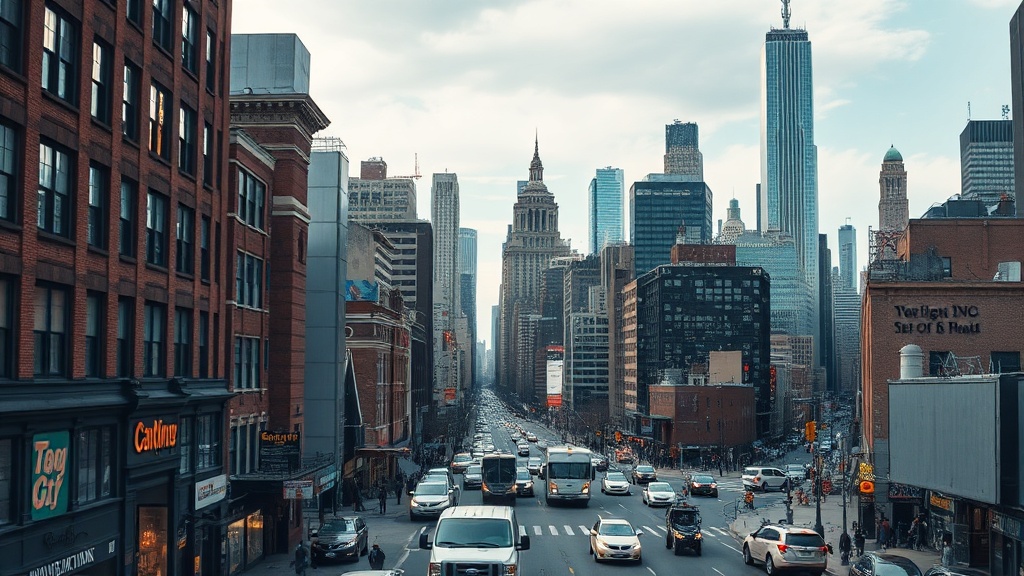
New York City’s streets are changing.
Once dominated by cars and honking horns, many neighborhoods now prioritize people — pedestrians, cyclists, outdoor diners, and street vendors — creating a livelier, more accessible urban experience. Whether you’re a local or visiting, exploring the city’s pedestrian-first spaces rewards curiosity and a willingness to slow down.
Why pedestrianization matters
Turning streets into plazas and expanding bike lanes does more than create room to walk. It improves air quality, supports small businesses, and makes neighborhoods safer. Areas converted into pedestrian plazas often host pop-up markets, art installations, and community events that transform routine trips into memorable experiences.
Where to go
There are headline destinations and hidden gems.
High-profile spots like elevated parks and riverside promenades draw crowds, but smaller-scale interventions can be equally rewarding.
Look for neighborhood plazas, widened sidewalks, and temporary “Open Streets” events that close car lanes to create space for walking, dining, and play. Parks and waterfronts often combine greenery with programming — concerts, fitness classes, and food vendors — so check local listings before you go.
Getting around
Citi Bike and the expanding network of protected bike lanes make cycling a fast, flexible option for short trips. For longer distances, subways remain the backbone of city mobility; consult transit apps for real-time updates and first/last train times. When walking, plan routes that favor pedestrian corridors and greenways rather than major arterial roads to enjoy a calmer, more scenic journey.
Dining and commerce
Outdoor dining and parklets continue to reshape how neighborhoods feel after dark.
Many small restaurants and cafes extend seating into widened sidewalks, creating a vibrant street-level culture. For the best experience, explore side streets and residential avenues where local shops and eateries are less likely to be overrun by tourists and tend to offer better value.
Safety and etiquette
Respect for other users keeps shared spaces enjoyable. Cyclists should stick to bike lanes and signal clearly; pedestrians should avoid blocking bike lanes or standing in walking paths. When using plazas or parks, keep noise reasonable and follow posted rules about dogs, alcohol, and trash. During busy hours, move to the side to let others pass and be mindful of event setups that may require temporary detours.
Seasonal and weather-ready planning
Outdoor spaces are beautiful in mild weather but can be unexpected in heat or rain.
Carry a small umbrella, water bottle, and a light layer for sudden changes. Look for plazas with shade, seating, and nearby restrooms. Many parks host year-round programming — from outdoor film screenings in warm months to holiday markets in colder stretches — so there’s always something happening if you check ahead.
How to find out what’s happening
Local government sites, neighborhood organizations, and community calendars list plaza openings, street fairs, and park programming. Social apps and event platforms give real-time updates and user reviews that help you choose the best spots on any given day.
Why it’s worth it
Exploring New York City on foot or by bike reveals layers of the city that subway maps don’t capture: stoop life, storefront details, pocket parks, and the small public acts that knit neighborhoods together.
Pedestrian-first initiatives make urban life more humane and interesting. Take your time, follow the rhythm of the streets, and you’ll find that some of the city’s most memorable moments happen outside the car window.