New York City’s streets are changing fast. From protected bike lanes and pedestrian plazas to a surge in e-bikes and dockless scooters, the city’s public realm is shifting toward safer, greener, more multimodal travel.
Whether you commute, visit, or run a small business, understanding how to navigate and benefit from these changes helps you move smarter and stay safe.
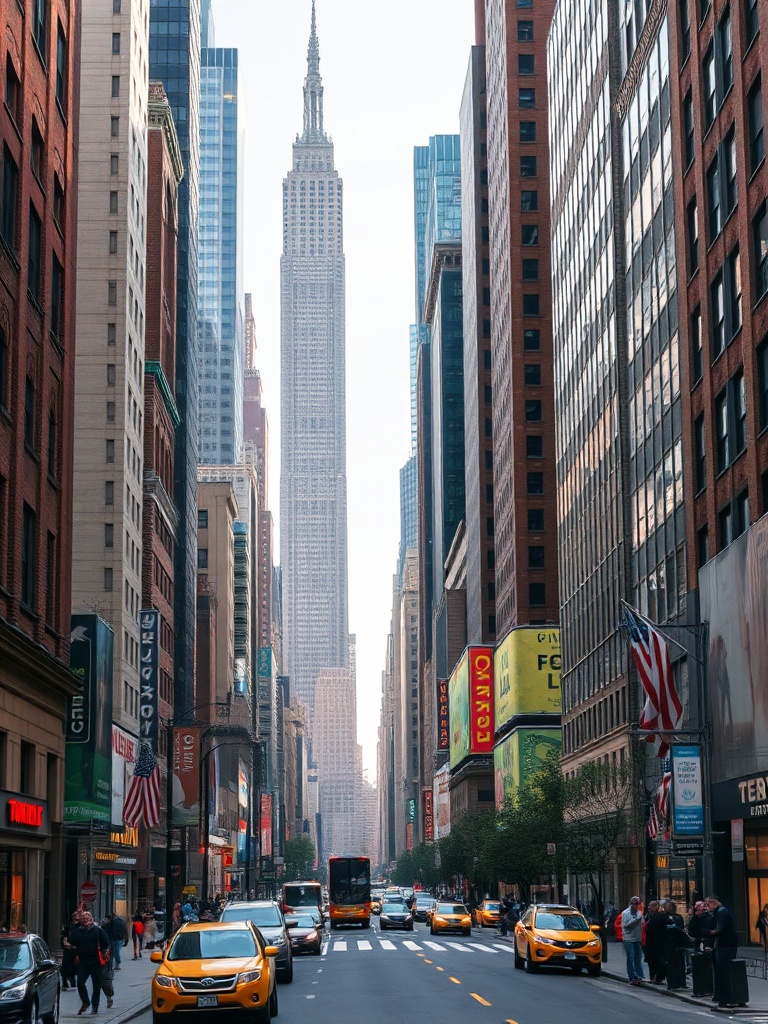
What’s happening on the street level
– Protected bike lanes and slow streets are expanding, creating continuous corridors for cyclists and reducing conflicts with cars.
– Pedestrian plazas and parklets reclaim curb space for seating, greenery, and local commerce, making neighborhoods more walkable.
– Bike-share systems integrate with transit, offering a flexible last-mile option that pairs well with subway and bus trips.
– Micro-mobility—electric bikes and scooters—is becoming a visible part of the urban mix, offering fast, low-cost short-trip alternatives.
Why it matters
Safer streets reduce injuries and encourage more people to choose active transportation. Reduced car dependence eases congestion and improves air quality. For businesses, lively sidewalks and plazas increase foot traffic and create attractive storefronts. For residents, more transportation choices mean greater flexibility and potentially lower costs.
Practical tips for riders and pedestrians
– Plan a mixed-mode trip: combine bike-share with public transit for efficiency and to avoid congestion on core subway lines.
– Follow lane rules: stay in bike lanes when cycling and keep sidewalks clear for pedestrians. Yield to walkers when entering or exiting bike lanes.
– Prioritize safety gear: helmets, visible clothing, and lights make a big difference, especially during low-light hours.
– Lock smart: invest in a sturdy lock and park in designated areas to reduce theft risk if you own a bike.
– Check local regulations: rules for e-bikes and scooters vary by neighborhood and rollout phase, so review signage and municipal guidance before riding.
Tips for drivers and property owners
– Expect more cyclists and pedestrians; give extra space when turning and slow down in shared zones.
– Consider a parklet or temporary plaza if you run a storefront—these can boost visibility and customer dwell time.
– Support green infrastructure: trees, planters, and permeable surfaces help manage stormwater and make streets more pleasant.
Community and equity considerations
Equitable access is central to the city’s mobility goals. Efforts to expand affordable bike-share membership options and place bike lanes in underserved neighborhoods aim to close gaps in transportation access. Community engagement continues to shape where plazas and slow streets are prioritized so local needs drive design.
Looking ahead
Street design has shifted from moving as many cars as possible to prioritizing people-first spaces. Expect more connected bike networks, thoughtfully placed pedestrian plazas, and continued experimentation with low-cost street transformations that can be quickly tested and refined.
Explore with confidence
Whether you’re a lifelong New Yorker or here for a short visit, embracing the city’s evolving streetscape unlocks new ways to travel, shop, and enjoy public space. Stay aware, follow local signs and rules, and treat streets as shared public space—safe, active, and open to everyone.