Experience the evolving New York City cultural scene like a local: it’s a nonstop collision of art, food, music, and community energy that reinvents itself daily. Whether you’re a long-time resident or a first-time visitor, understanding how neighborhoods, institutions, and independent creators interact unlocks the city’s best cultural moments.
Neighborhoods as cultural ecosystems
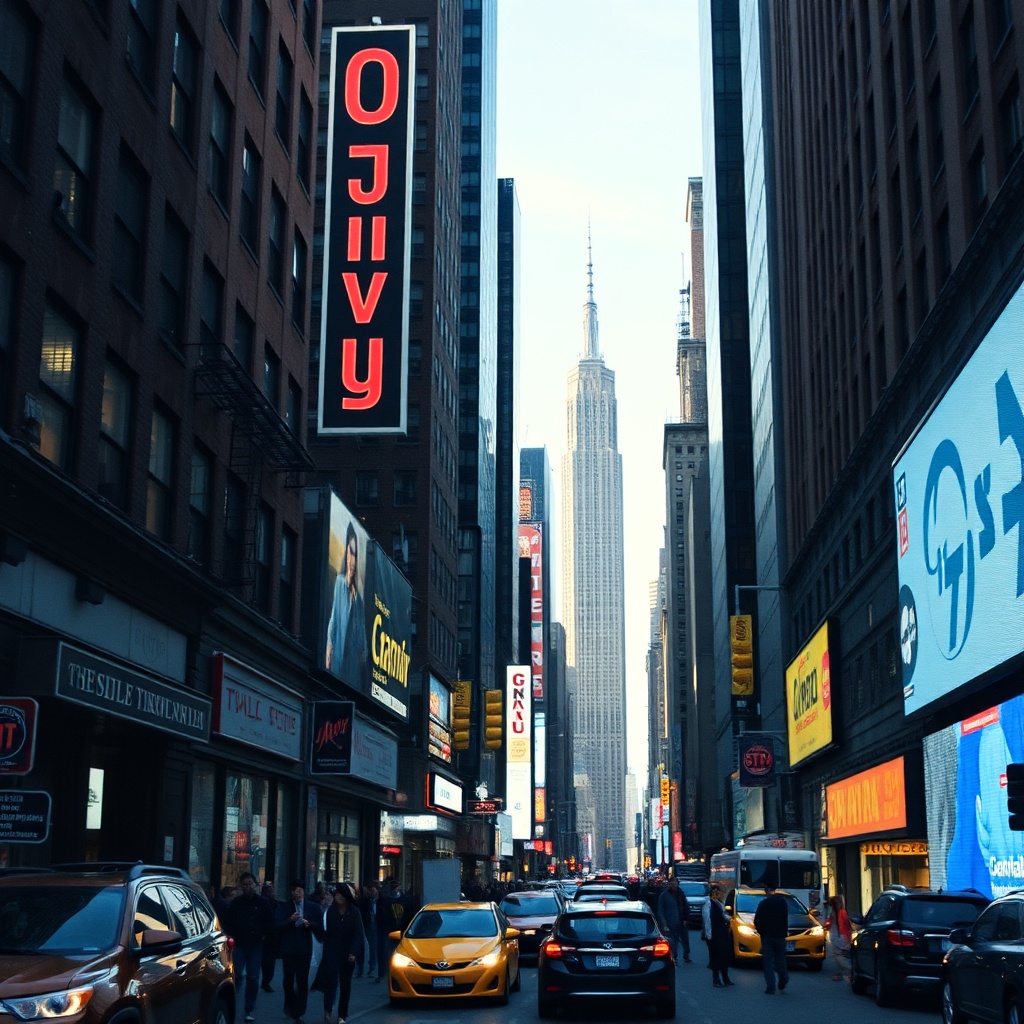
Each borough offers a distinct cultural identity. Manhattan still holds iconic museums and theater districts, while outer boroughs are hubs for immigrant-run businesses, experimental galleries, and rising food scenes. Walking a single neighborhood can reveal a layered history — storefronts that have endured generations, pop-up shops that test new concepts, and public murals that tell contemporary stories.
Embrace both landmark venues and tucked-away spots to see how culture is created and preserved at street level.
Museums, galleries, and public art
Major museums remain anchors, but cultural institutions increasingly prioritize accessibility through late-night programs, community partnerships, and immersive exhibitions. Smaller galleries and alternative spaces push bold ideas and foster careers for emerging artists. Public art has also expanded beyond galleries: murals, temporary installations, and site-specific sculpture activate plazas, parks, and transit hubs, making art part of everyday life.
Food culture: from markets to tasting menus
Food is central to NYC culture. The city’s culinary scene blends street food, global flavors from immigrant communities, and refined dining.
Food halls and night markets showcase an array of regional cuisines, while chefs experiment with sustainability and plant-forward menus. Pop-up supper clubs and tasting menus offer intimate culinary experiences that complement the more social, communal vibe of neighborhood eateries.
Live performance and nightlife
Live music venues and comedy clubs continue to be cultural laboratories. Intimate clubs host breakthrough artists alongside established acts, and experimental theater companies use nontraditional spaces to reimagine storytelling. Nightlife is more varied than ever: rooftop bars, late-night jazz lounges, and underground shows coexist with neighborhood dance nights and outdoor summer concerts.
Community resilience and cultural preservation
Gentrification and rising costs have shifted cultural patterns, but community-led initiatives aim to protect creative spaces and cultural heritage. Artist residencies, nonprofit theaters, and local cultural centers play a crucial role in keeping diverse traditions alive.
Support for these organizations—through donations, attendance, or patronage—helps maintain the city’s cultural richness.
How to experience it like a local
– Mix iconic sites with neighborhood discoveries: pair a museum visit with a stroll through a nearby residential block or market.
– Use public transit and walking routes to find unexpected cultural stops.
– Check neighborhood calendars and social feeds for pop-ups, open studios, and late-night gallery hours.
– Support small businesses: independent bookstores, record shops, and family-run restaurants offer authentic cultural connections.
– Book ahead for popular performances, but leave room for spontaneous outings that reveal hidden gems.
Why it matters
New York City culture thrives because it’s collaborative and ever-changing. The best experiences come from curiosity: follow local rhythms, seek out community-focused events, and prioritize venues that foster artistic growth. Bring an open mind and comfortable shoes — the city rewards exploration with moments that linger long after you leave.