Brooklyn’s appeal keeps evolving: neighborhoods that once housed factories now buzz with food halls, galleries, and waterfront parks. Whether you’re planning a visit or following local trends, Brooklyn continues to balance creativity, community, and commerce in ways that shape the city’s cultural and economic life.
Neighborhoods and local character
Brooklyn is a mosaic of distinct neighborhoods. Williamsburg and Greenpoint remain magnets for nightlife, craft breweries, and thrift shopping, while DUMBO’s cobblestone streets and riverfront views attract photographers and tech startups.
Park Slope and Brooklyn Heights offer tree-lined residential streets, independent bookstores, and family-friendly cafés. Emerging pockets in Sunset Park, Bushwick, and Red Hook spotlight industrial reuse — warehouses repurposed as artist studios, makerspaces, and culinary incubators.
Waterfront transformation
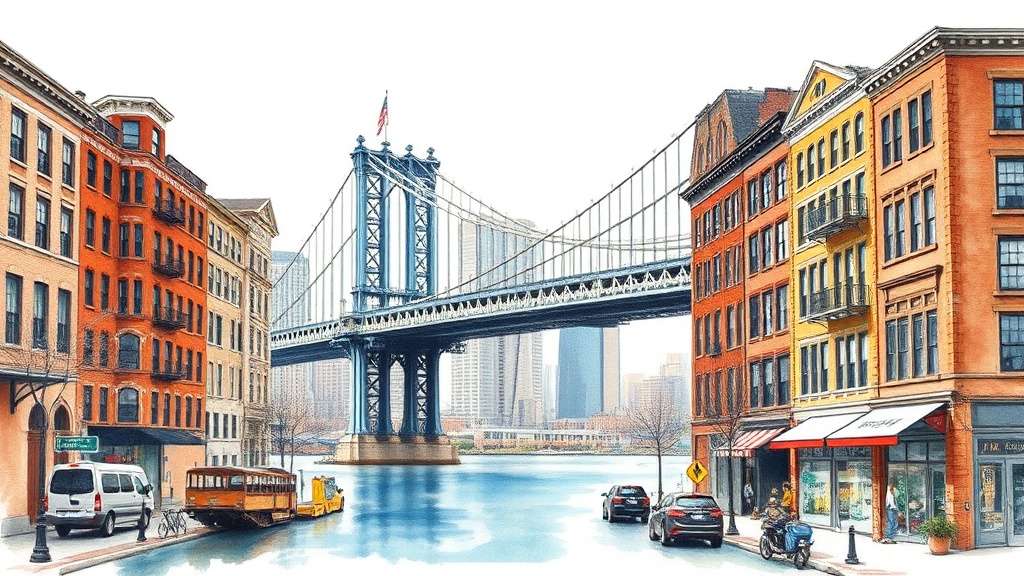
The waterfront has been a major focus of public investment and private reuse. Long stretches of formerly industrial shoreline now host greenways, playgrounds, and performance spaces that invite both residents and visitors.
Parks along the East River and Gowanus waterfront offer sweeping skyline vistas and programmed events, while adaptive projects in former docklands prioritize resilience, public access, and habitat restoration. Ferries and improved bike infrastructure make the water a practical as well as scenic way to navigate Brooklyn.
Dining, markets, and the food scene
Brooklyn’s dining scene mixes longtime neighborhood institutions with bold newcomers. Food halls, farmers markets, and late-night eateries cater to diverse palates — from classic Jewish delis to inventive plant-based kitchens and elevated seafood spots. Pop-up restaurants and communal kitchens help culinary entrepreneurs test concepts without heavy upfront costs, fueling a steady stream of fresh offerings.
Creative economy and small business resilience
Creative industries remain central to Brooklyn’s identity. Galleries, independent music venues, film and production spaces, and co-working hubs keep the borough lively. At the same time, small businesses face rising costs and changing retail patterns.
Community-focused initiatives — local business alliances, shared storefront programs, and nonprofit support networks — are adapting to preserve commercial diversity and maintain affordable storefronts.
Arts and culture
Brooklyn’s cultural institutions range from large museums and performance centers to grassroots arts collectives. Street murals, neighborhood theaters, and open studios keep art visible and accessible. Festivals, craft fairs, and block parties create recurring moments that knit neighborhoods together and draw cultural tourism.
Parks, recreation, and green initiatives
Public green space is a priority across Brooklyn. Park improvements, new playgrounds, community gardens, and shoreline restoration all aim to make outdoor life safer and more enjoyable. Urban agriculture projects and local greenway expansions connect residents to nature and support community resilience.
Practical tips for visitors and locals
– Use public transit, bike lanes, and ferry routes to avoid traffic and see more of the borough.
– Check neighborhood calendars for pop-ups, markets, and concerts — many local events are announced through community groups and social media.
– Explore beyond headline neighborhoods to discover lesser-known restaurants, galleries, and waterfront paths.
– Support small businesses by shopping at local markets and independent shops.
Brooklyn remains a dynamic place where history and innovation coexist. Its neighborhoods continue to reinvent themselves, anchored by strong community networks, creative energy, and an ongoing commitment to public spaces that invite everyone to explore, relax, and connect.