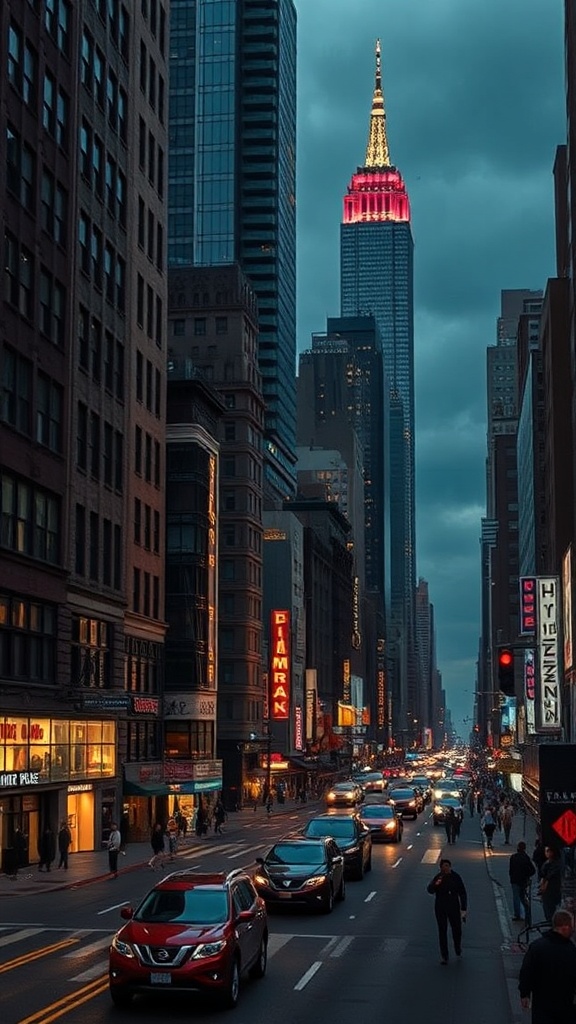
New York City, often referred to as the “concrete jungle,” is known for its bustling streets, towering skyscrapers, and vibrant culture.
Yet amid the urban gridlock, the city provides an unexpected respite – a plethora of urban parks that offer a breath of fresh air, quite literally. These green spaces have become an integral part of the city’s fabric, providing an oasis for city dwellers and tourists alike to escape the hustle and bustle.
Central Park: The Green Heart of the City
Serving as the green heart of the city, Central Park is a prime example of the role green spaces play in an urban environment. Stretching from North 110th to 59th Street between Fifth Avenue and Central Park West, this 843-acre haven is an unmissable gem in the city’s crown.
Besides offering miles of walking paths, picnic areas, and bodies of water for rowing, the park also houses attractions such as the Central Park Zoo, Belvedere Castle, and Strawberry Fields, the memorial to John Lennon. The park’s unique design encourages active and passive recreational activities, bringing a sense of community to the city’s residents.
Brooklyn Bridge Park: A Waterfront Haven
Brooklyn Bridge Park, located along the East River waterfront, is another impressive green project in NYC.
Offering breathtaking views of the Manhattan skyline and the iconic Brooklyn Bridge, the park boasts a variety of recreational facilities. From greenways for jogging and biking to a multitude of sports fields and courts, and a riverside esplanade for leisurely strolls, there’s something for everyone.
Battery Park: A Historical Green Retreat
At the southernmost tip of Manhattan Island, Battery Park serves as a historical green retreat. With a rich history dating back to the 17th century, it’s home to several monuments and memorials, including The Sphere, a sculpture that survived the World Trade Center attacks. The park also offers stunning views of the Statue of Liberty, making it a popular spot for tourists and locals alike.
The High Line: An Elevated Greenway
Revitalizing a disused elevated railway into a flourishing greenway, The High Line is one of NYC’s most innovative park projects.
Running from Gansevoort Street in the Meatpacking District to 34th Street, it offers a unique perspective of the city.
With carefully curated plantings, art installations, and public programs, it’s more than just a park – it’s an immersive cultural experience that celebrates the city’s industrial past and vibrant present.
The Importance of Green Spaces in NYC
These iconic parks demonstrate how vital green spaces are in urban settings. Not only do they provide a tranquil escape from the city’s frenetic pace, but they also offer numerous health benefits. Recent studies show that spending time in green spaces can reduce stress, improve mood, and increase overall physical activity.
Furthermore, urban parks play a significant role in enhancing the city’s sustainability. They help mitigate urban heat island effect, improve air quality, and contribute to stormwater management – all crucial aspects of creating a more environmentally friendly city.
Today, as the city continues to grow and evolve, the importance of preserving and expanding these green spaces becomes even more evident. They are not just pretty landscapes but vital components of urban living, contributing to the city’s livability, sustainability, and overall quality of life.
New York City’s urban parks are a testament to the possibilities of harmonizing urban development with nature, providing a model for other cities around the world. They serve as a reminder that even in the midst of concrete and steel, there’s always a place for greenery and nature, reinforcing the city’s reputation as a truly global metropolis.