How to Experience the Layers of NYC Culture — A Local’s Guide
New York City culture is a mosaic: historic theaters and cutting-edge galleries, corner delis and Michelin-starred tasting menus, subway murals and pop-up performance spaces. To really get it, think beyond tourist highlights and dive into neighborhoods, community events, and the small scenes that keep the city dynamic.
Start with neighborhoods, not just landmarks
Each borough offers its own cultural flavor. Wander through Lower Manhattan for immigrant-run markets and late-night food spots. Walk the brownstone streets of Brooklyn neighborhoods for independent bookstores, vinyl shops, and intimate music venues. Head to Harlem for jazz, gospel services, and soul-food institutions. Queens is a culinary atlas — authentic regional restaurants and festivals reflect waves of new arrivals. Exploring on foot or by bike reveals storefronts and street life that guidebooks often miss.
Public art and performance everywhere
Public art is woven into the urban fabric — murals on building facades, installations along elevated parks, and rotating sculptures at transit hubs. The subway is also a gallery: commissioned mosaics and tile work celebrate local history and artists. Outdoor performance culture thrives in parks and plazas, with free concerts, dance nights, and neighborhood theater popping up across seasons.
Keep an eye on community calendars and local social channels for last-minute listings.
Food culture that’s high-end, hyperlocal, and everywhere in between
NYC’s food scene spans fine dining tasting menus and pocket-sized counters serving generational recipes.
Farmers’ markets and food fairs are excellent ways to taste neighborhood flavors and meet the people behind them. Don’t overlook corner bodegas, which often stock regional specialties and provide a true sense of everyday life. For a modern twist, look for chef collaborations, supper clubs, and pop-up concepts that rotate through unconventional venues.
Nightlife, music, and the after-hours pulse
Nightlife ranges from historic jazz rooms to underground electronic shows and late-night comedy. Small venues can introduce you to emerging talent before they break out, while long-standing clubs preserve musical traditions. Broadway and downtown theater coexist with experimental performance series — choose a blockbuster or take a risk on a small-stage production for a more intimate experience.
Community festivals and neighborhood rituals
Street fairs, block parties, cultural parades, and religious processions animate public space and offer a chance to connect with local communities.
These events often highlight food, crafts, and performances rooted in immigrant traditions and neighborhood histories. Attending creates context for the streets you walk every day and supports local creators and vendors.
Shopping and makers
Beyond fashion houses and flagship stores, NYC has a robust maker scene — artisans, bookstores, independent designers, and specialty food producers. Pop-up markets and weekend craft fairs are great for finding unique gifts and meeting makers who are shaping the city’s creative economy.
Practical tips for a richer visit
– Explore by neighborhood rather than by attraction: aim for 2–3 blocks at a time to absorb the rhythm.
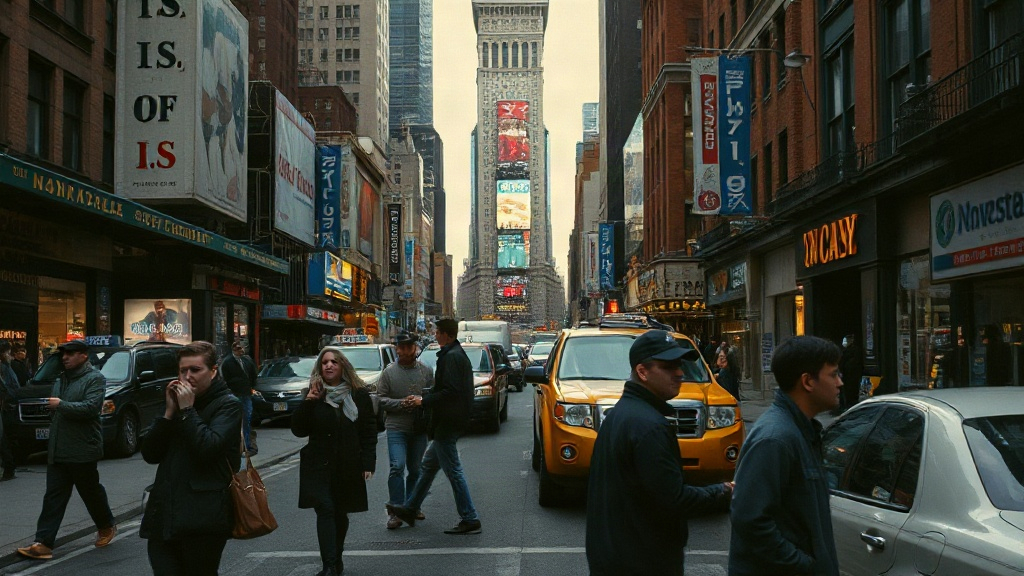
– Check local event calendars and neighborhood newsletters for pop-ups and low-cost shows.
– Use public transit and walking routes; you’ll discover street-level details that get missed from cars.
– Be curious: ask vendors and bartenders about their stories — oral histories are part of the city’s cultural fabric.
Why it matters
NYC culture is resilient and collaborative.
Streets, stages, and small storefronts are where tradition and innovation intersect. Whether you’re a visitor or a resident, approaching the city with patience and curiosity reveals a layered, evolving cultural life that rewards exploration and openness.