Brooklyn’s waterfront has become a blueprint for how a post-industrial shoreline can be reshaped into vibrant public space, creative hubs, and resilient infrastructure. From reclaimed piers to pocket parks and active shipping terminals, the borough’s edge offers a mix of recreation, culture, and everyday life that pulls both locals and visitors across the East River.
What to explore
– Brooklyn Bridge Park stretches along the river with lawns, sports fields, playgrounds, and waterfront promenades. It’s a popular stretch for picnics, open-air fitness classes, and sunset walks that frame Manhattan’s skyline.
– DUMBO’s cobblestone streets and converted warehouses host art galleries, tech studios, and boutique shops. The neighborhood’s riverside esplanade is a prime spot for photos and leisurely strolls.
– Williamsburg blends green spaces with a thriving dining scene — waterfront piers, pop-up markets, and casual cafes create a lively mix of daytime and evening activity.
– Red Hook retains an industrial character with seafood spots, waterfront views, and small-batch producers, offering a quieter, more rugged alternative to northern waterfronts.
Getting there and getting around
Ferries have reshaped access to Brooklyn’s waterfront, connecting neighborhoods to Manhattan and other boroughs with scenic and often faster alternatives to subways. Bike lanes and greenways make the shoreline ideal for cycling or walking—bring comfortable shoes and a bike lock if planning a multi-stop day. Public transit options remain plentiful; combining subway, ferry, and bike is often the fastest way to explore multiple neighborhoods.
Food, markets, and small business
The waterfront’s food scene ranges from bustling food halls and seasonal markets to waterfront seafood shacks and refined restaurants. Small businesses and artisanal producers have found a home in reclaimed industrial spaces, creating weekend markets and pop-up events that showcase local makers. Look for outdoor dining along the piers and market schedules posted on neighborhood community boards or local listings.
Culture and recreation
Brooklyn’s waterfront hosts free and ticketed cultural programming: outdoor concerts, film screenings on the grass, sculpture installations, and dance festivals. Playgrounds and sports fields are abundant, with kayak launches and summer programming promoting active, accessible use of the river. Public art and historical markers along the waterfront reveal the area’s maritime and industrial past, adding depth to what otherwise reads as purely leisure space.
Challenges and resilience
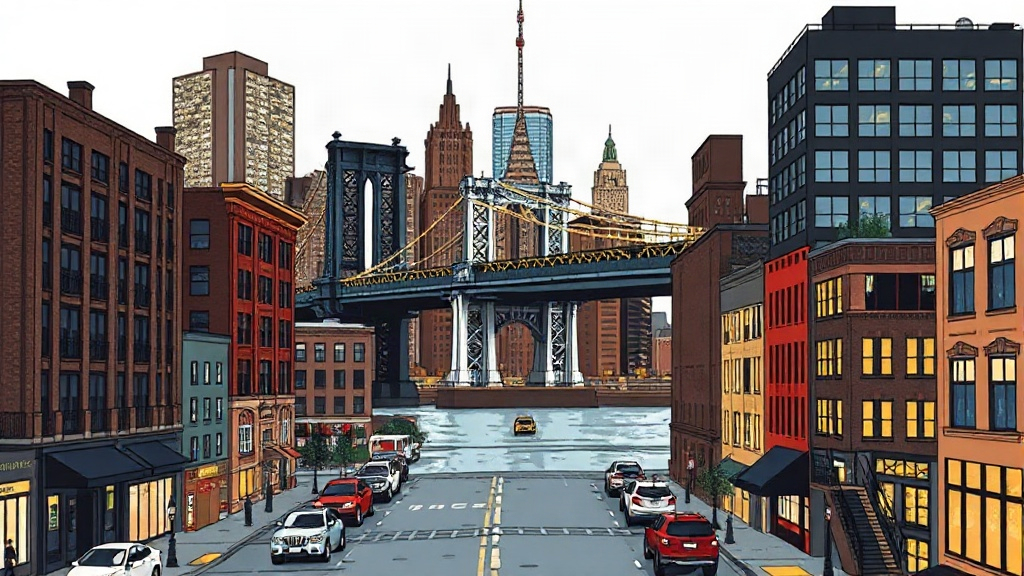
Development along the waterfront brings benefits and trade-offs. Rising rents and new construction can strain long-established communities, prompting questions about affordable housing and preserving local culture. Flood risk and storm vulnerability are real concerns, so investments in resilience—like raised promenades, green infrastructure, and living shorelines—are increasingly integrated into public projects.
Community input and equitable planning remain essential to ensure waterfront improvements serve everyone.
Tips for a thoughtful visit
– Start early or visit near dusk to avoid the busiest crowds.
Weekdays and mornings tend to be calmer.
– Combine walking with a short ferry hop or bike ride to cover more ground and experience different vantage points of the skyline.
– Support local businesses: buy from markets, dine at neighborhood eateries, and browse small galleries.
– Check for seasonal programming and pop-up events before heading out; many neighborhoods host rotating cultural calendars.
Brooklyn’s waterfront is a living, evolving edge—part park, part cultural corridor, part transportation network. For those who explore it mindfully, the shoreline rewards with green spaces, great food, and a view into how urban life is adapting to both community needs and environmental realities.