Manhattan remains a compact, endlessly discoverable borough where classic attractions sit alongside new neighborhoods, greenways and culinary hotspots. Whether visiting for a weekend or living here, focusing on walkable routes, waterfront access and neighborhood-by-neighborhood exploration turns a checklist trip into a memorable urban experience.
Move intentionally: walking, biking, ferry
– Many of Manhattan’s best moments happen at street level.
Walk long blocks when the weather allows — every avenue and side street rewards exploration.
– Bike share and curated bike lanes make two-wheeled trips practical for short hops across neighborhoods.
Carry a light lock and plan a route that favors protected lanes and waterfront paths.
– Ferries connect Manhattan to waterfront points in neighboring boroughs and offer scenic commutes that avoid subway crowds. Boarding at a less busy terminal often shortens wait times and provides better views.
Neighborhood itineraries that feel local
– Lower Manhattan: mix historic streets with innovative dining and contemporary galleries.
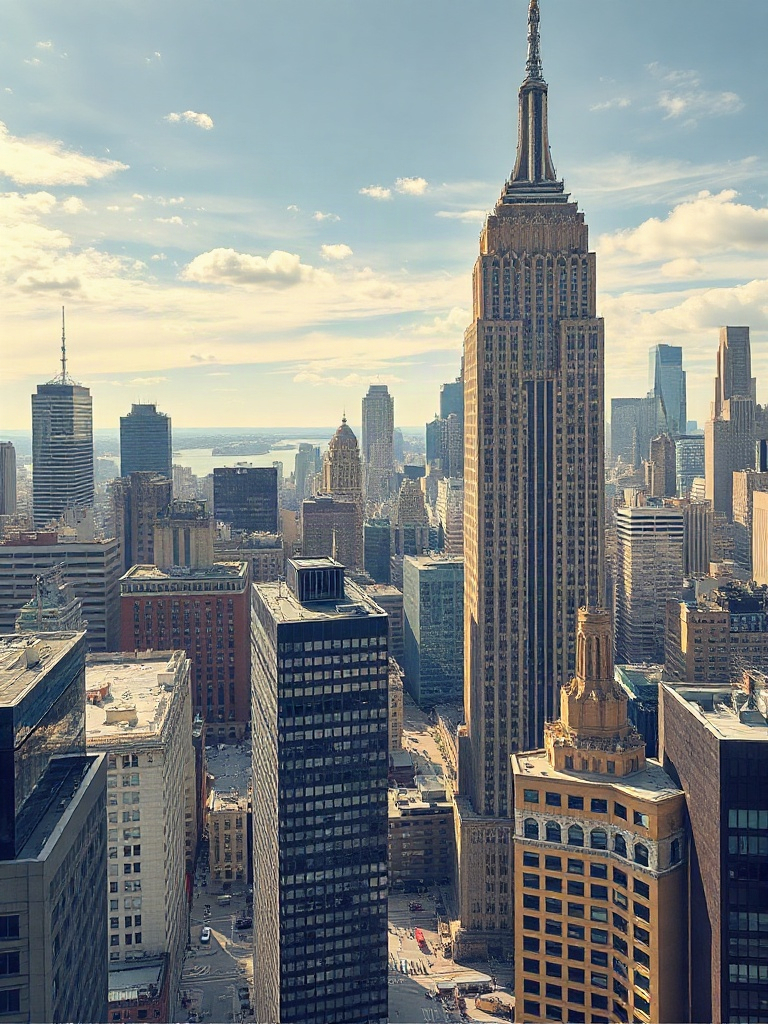
Small coffee shops, independent bookstores and specialty food shops often hide just off major thoroughfares.
– Midtown and the cultural corridor: beyond flagship museums and theaters, look for temporary exhibitions, rooftop bars with skyline views and late-night food markets.
– West Side waterfront: long walks or bike rides along the Hudson River Greenway reward with piers, landscaped parks and occasional pop-up events.
Early morning or sunset walks are particularly atmospheric.
– East Harlem and the Upper East/West Sides: neighborhood bakeries, family-run delis and community gardens capture the borough’s layered culinary and cultural life.
Parks, quieter corners and waterfronts
Manhattan’s green spaces range from iconic lawns to intimate pocket parks. Seek out landscaped piers, community gardens and waterfront esplanades for a quieter experience away from crowded tourist hubs. Many small parks host free or low-cost activities such as outdoor yoga, film screenings or farmer markets that are easy to join.
Eating well without overspending
Street food, bodegas and neighborhood cafes offer authentic, affordable meals.
For a balanced approach:
– Start the day with an independent coffee shop and pastry.
– Hunt midday for specialty food markets where vendors offer small plates to share.
– Reserve one special meal at a popular restaurant but balance it with budget-food discoveries that let local flavors shine.
Cultural experiences beyond the big names
While major museums and theaters draw headlines, the borough’s smaller galleries, artist-run spaces and community centers often present surprising installations, performances and workshops.
Check neighborhood calendars and community boards for pop-up experiences, open studios and late-night events that are less crowded and often free or inexpensive.
Practical tips to maximize the visit
– Time travel between neighborhoods by pairing adjacent areas (for example, combine a waterfront walk with a nearby gallery crawl).
– Use transit apps for real-time subway and bus info, but accept walking as often the fastest and most rewarding way to move through dense parts of the borough.
– Pack a reusable water bottle and a compact umbrella — both useful for unexpected changes in weather.
Manhattan’s appeal is its ability to surprise. With a mix of intentional walking, waterfront time, neighborhood-focused food and a few well-chosen cultural stops, it’s easy to craft a visit that feels both fresh and rooted in the city’s everyday rhythms.