Micro-neighborhood Living: How New Yorkers Have Reimagined Everyday Life
New York City lifestyle has shifted toward a “micro-neighborhood” mindset, where daily life centers around a five- to ten-minute radius rather than long commutes across boroughs.
That shift touches commuting, food, housing hacks, wellness and community life—making city living feel more local, sustainable and convenient.
Work and commuting: shorter, smarter trips
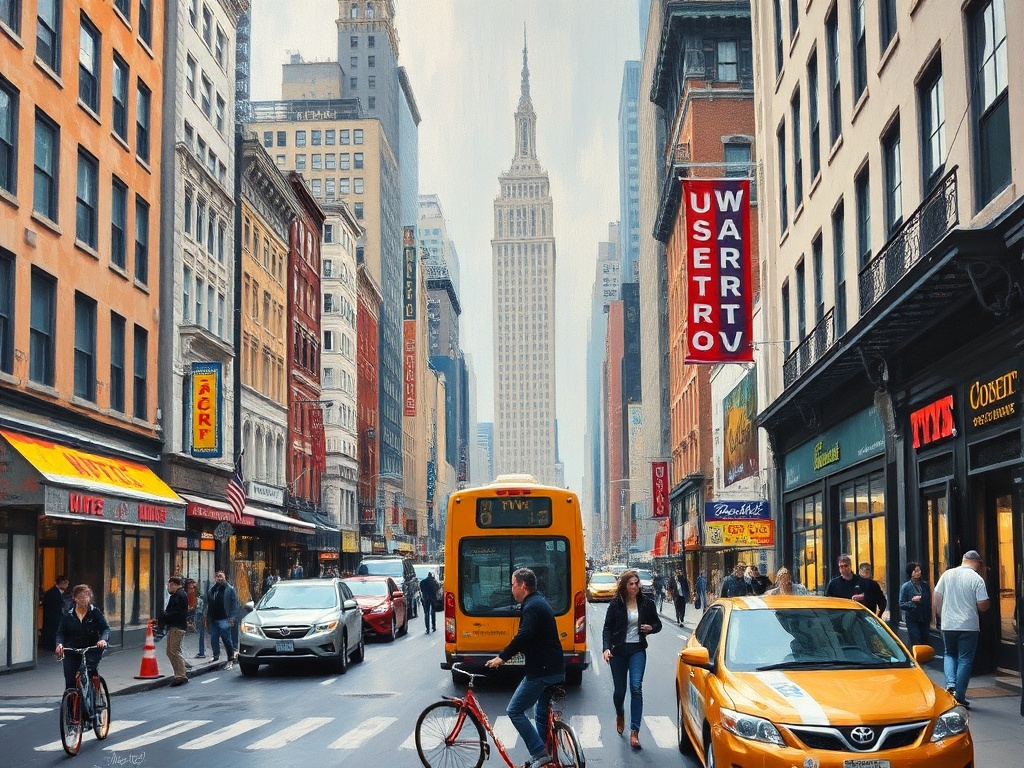
With hybrid schedules and flexible hours, many New Yorkers stagger travel and favor active or micro-commutes. Walking, biking, e-bikes and electric scooters are common ways to bridge short distances. Transit remains essential for longer trips, but people increasingly combine modes—walk to a bike-share, ride a subway for the long leg, then hop on a local bus or walk to the final destination. Planning apps and transit alerts help optimize timing and avoid crowded periods.
Dining and neighborhood businesses
Neighborhood restaurants, cafes and markets are the heart of the micro-neighborhood. Residents favor spots that offer quick quality meals, communal seating, or reliable takeout. Shared kitchens and ghost-kitchen pop-ups create varied options without the footprint of full-service dining. Local grocers and specialty shops often collaborate on pop-up events, farmer’s markets and late-night offerings, keeping shopping convenient and more personal than big-box alternatives.
Housing and small-space living
Maximizing compact spaces is a core New York skill. Smart storage, multipurpose furniture and vertical shelving let small apartments feel larger and more functional. Micro-apartments and co-living setups appeal to those prioritizing neighborhood amenities over square footage, trading a larger unit for easy access to parks, transit and cultural venues. Landlords and residents alike invest in noise mitigation and privacy solutions as shared walls and flexible schedules overlap.
Green spaces and outdoor living
Parks, pocket gardens and rooftop green areas serve as essential extensions of tiny homes.
Community gardens and rooftop plantings not only create greenery but also host neighborhood gatherings, yoga classes and outdoor work sessions. Streetscape improvements—widened sidewalks, parklets and enhanced lighting—encourage people to spend more time outside, supporting both mental health and local commerce.
Fitness, culture and personal time
Local fitness studios, outdoor bootcamps and neighborhood pools allow for shorter workout commutes. Cultural life has moved into micro-venues: independent theaters, artist-run galleries and block parties bring arts programming closer to residents. Bookstores, specialty shops and community centers host regular readings, workshops and classes that create a sense of belonging.
Sustainability and convenience
Delivery, curbside pickup and neighborhood lockers make daily errands faster. Consolidated deliveries and bike couriers reduce carbon footprint and traffic congestion.
Many residents favor locally sourced goods and reusable packaging; community recycling and composting programs help keep neighborhoods cleaner and greener.
Tips for thriving in a micro-neighborhood
– Map local essentials within a 10-minute walk: transit, pharmacy, grocery, cafe and green space.
– Prioritize adaptable furniture and hidden storage to make small spaces versatile.
– Support small businesses by shopping locally and attending neighborhood events.
– Use multimodal transit planning to combine walking, biking and transit efficiently.
– Join local groups or community boards to stay informed about pop-ups, cultural events and volunteer opportunities.
Living small without feeling small is the guiding principle many New Yorkers follow. By focusing on local amenities, flexible routines and strong neighborhood ties, city life becomes more convenient, connected and human-sized—right outside your door.