New York City’s cultural life thrives outside the headline attractions.
While big museums and Broadway shows draw global attention, the most vibrant, ever-changing moments of city culture happen in neighborhood hubs: corner galleries, pop-up performance spaces, block parties, and food stalls that transform streets into stages. These grassroots venues are where creative risk meets everyday life, and they’re reshaping how residents and visitors experience the city.
Neighborhood hubs are powered by accessibility and diversity. A converted storefront can host a poetry reading one night and a DJ set the next. Community centers offer rehearsal space and low-cost classes; small theaters program experimental work alongside established artists. This mix encourages cross-pollination between disciplines and backgrounds, producing work that feels immediate and relevant.
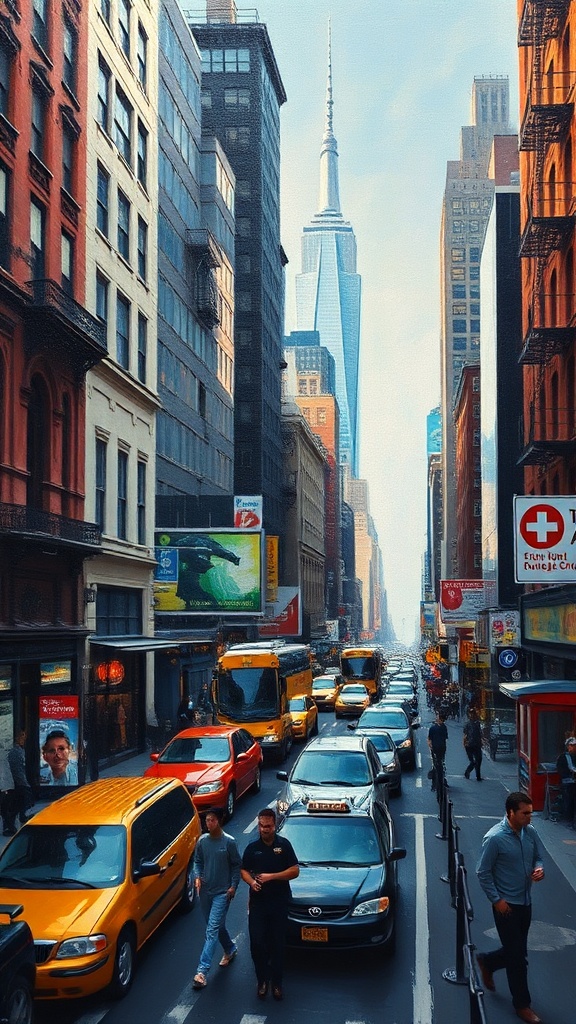
Emerging artists find audiences close to home, and audiences discover art that reflects the neighborhood’s changing identity.
Public space plays a huge role. Plazas, parks, and pedestrianized streets double as seasonal markets, outdoor cinemas, and performance venues. These initiatives make culture more democratic by removing the financial and psychological barriers of formal venues.
For creators, the public realm offers a testing ground where feedback is direct and engagement is immediate.
For communities, these activations foster pride and provide gathering places that support local businesses.
Food culture is integral to this ecosystem. Food vendors, pop-up kitchens, and cooperative cafés are cultural ambassadors, serving dishes from the city’s diverse immigrant communities and sparking conversation across tables. Night markets and food-focused events often pair dining with live music and art installations, turning every meal into a cultural moment. Supporting these small food operations keeps culinary traditions alive and helps maintain the city’s reputation as a global taste center.
Street art and murals anchor many neighborhoods visually and politically.
Local artists and collectives collaborate with businesses to create permanent and temporary works that celebrate heritage, confront social issues, or simply brighten a block. This visible creativity contributes to neighborhood identity and encourages passersby to stop, reflect, and photograph — which in turn amplifies the work online and in local media, creating a feedback loop of interest and investment.
Community-driven festivals and pop-ups offer low-risk ways for artists and organizers to experiment. These events often rely on cooperative funding, volunteer labor, and partnerships with small businesses. The result is programming that prioritizes local voices and reflects the complexities of urban life. Such initiatives also help incubate talent and build audiences that later support more ambitious projects.
How to experience these cultural hubs: explore neighborhood calendars and community boards, arrive early to beat crowds, and be ready to engage — attend a talk, buy a zine, tip performers. Follow local arts organizations and small venues on social platforms for pop-up announcements. When possible, support the places that host these moments: purchase a meal from a vendor, shop at local stores, or donate to community arts funds.
These neighborhood cultural hubs are more than trend; they’re an enduring fabric of city life. They keep culture accessible, foster new work, and strengthen neighborhoods by making creativity part of everyday routines. For anyone looking to understand the city’s pulse, the best way in is to walk its side streets, stop at its small stages, and let the neighborhoods lead the way.