New York Neighborhoods: How to Pick the Right Corner of the City
Choosing a neighborhood in New York is more than finding the right apartment — it’s about matching your lifestyle to a community. Each neighborhood has a personality shaped by history, transit, food, green space and the rhythm of daily life. Here’s how to narrow the field and find a place that fits.
Match lifestyle to vibe
– Families: Look for tree-lined streets, playgrounds, strong public and private school options, and community events. Neighborhoods with a mix of brownstones and quieter blocks tend to offer more family-friendly amenities and a slower pace.
– Young professionals: Proximity to transit, coworking spaces, nightlife and late-night dining matter. Mixed-use corridors with retail on the ground floor and apartments above suit those who want convenience and energy.
– Creatives and makers: Affordable studio space, galleries, street art, and communal venues for performances or pop-ups are key. Industrial architecture repurposed into live-work lofts is attractive for artists.
– Food lovers: Diverse grocery markets, specialty purveyors and a dense restaurant scene make a neighborhood a culinary destination. Look for blocks with long-standing mom-and-pop shops alongside new food concepts.
Practical factors to weigh
– Commute: Test your transit commute at the times you’ll actually travel — rush hour, off-peak and weekend service variations can shift what feels manageable. Proximity to multiple subway lines or express buses reduces daily friction.
– Housing type: Co-ops, condos, rentals, and rowhouses come with different rules and costs.
Co-ops often have stricter board approvals; condos offer more flexibility for buyers. Rentals can provide mobility while exploring the city.
– Noise and light: Visit apartments at night and during the day. Corner units may get more light but also more street noise. Consider building insulation, window types and closeness to nightlife spots.
– Amenities and essentials: Factor grocery stores, pharmacies, laundromats and green space into your decision. A short walk to a park or waterfront can influence quality of life more than a slightly lower rent.
Neighborhood trends to watch
Community-driven initiatives, small-business vitality and transit improvements continue to shape neighborhood character. Adaptive reuse of industrial buildings and a focus on pedestrian- and bike-friendly streets have created pockets where culture and commerce flourish together.
Preservation efforts keep historic architecture intact while new development adds retail and public space.
Tips for choosing
– Walk the block at multiple times and on different days to gauge noise, foot traffic and safety.
– Talk to locals — cafe baristas, shop owners and building superintendents often offer candid perspective.
– Join neighborhood social media groups to learn about community events, services and sentiment.
– Check local community board meeting notes for development plans, street changes or zoning updates that could affect day-to-day life.
– Compare total cost of living, not just rent: utilities, transit passes, delivery options and parking (if needed) add up.
Neighborhood spotlights to explore
– Waterfront neighborhoods offer views and recreation but can carry premium prices.
– Historic brownstone districts deliver charm and a strong sense of place.
– Cultural corridors and immigrant enclaves provide vibrant food scenes and year-round festivals.
– Emerging microhoods blend old-school grit with new cafés, galleries and shops, often attracting creative enterprises first.
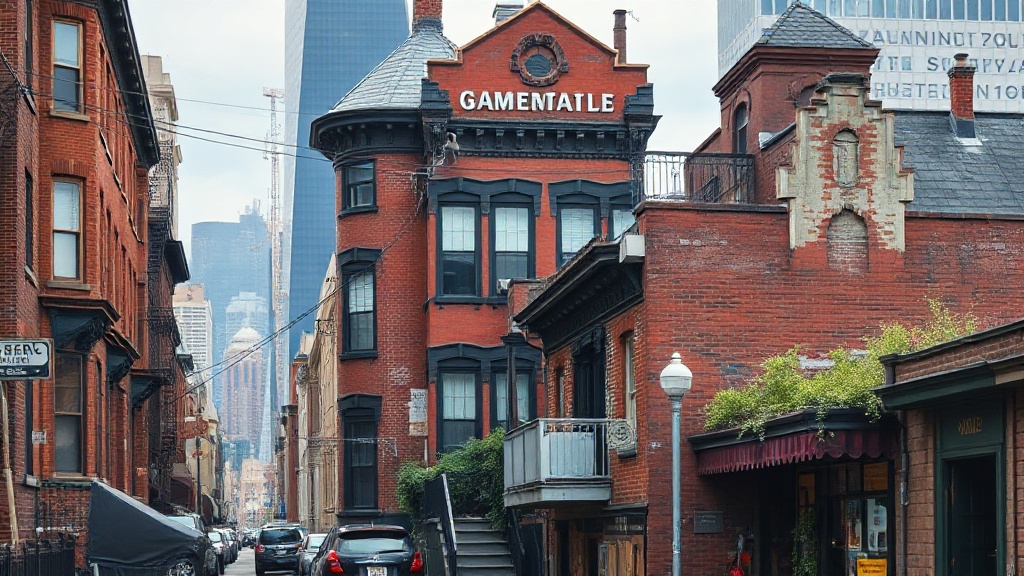
Finding the right New York neighborhood comes down to aligning practical needs with the intangible feel of a place. Take your time, prioritize the elements you can’t live without, and treat neighborhood-hunting as part reconnaissance, part exploration. The right block will fit into daily life so naturally you’ll start calling it home.