New York City culture is a living, layered conversation between neighborhoods, food, art, music and the people who move through them. From corner bodegas and late-night delis to avant-garde galleries and intimate music clubs, the city’s cultural identity thrives on reinvention while honoring deep-rooted traditions.
Why NYC culture feels electric
The city’s density compresses creativity. Talented chefs, artists, performers and entrepreneurs share blocks and subway lines, sparking collaborations that would be impossible in quieter places. That cross-pollination creates micro-scenes — a cuisine fusion corridor in one neighborhood, a street-art cluster in another — so exploration yields fresh discoveries every few blocks.
Where to feel it: neighborhoods that pulse
– Manhattan: Beyond the well-known landmarks, probe small galleries, experimental theater spaces and immigrant-run eateries that reveal under-the-radar flavors and stories.
– Brooklyn: A hotspot for indie music, artisanal food, and street art; neighborhoods here offer a mix of established venues and pop-up culture.
– Queens: The most ethnically diverse borough serves up an unmatched global food scene and community festivals that showcase traditions from across the globe.
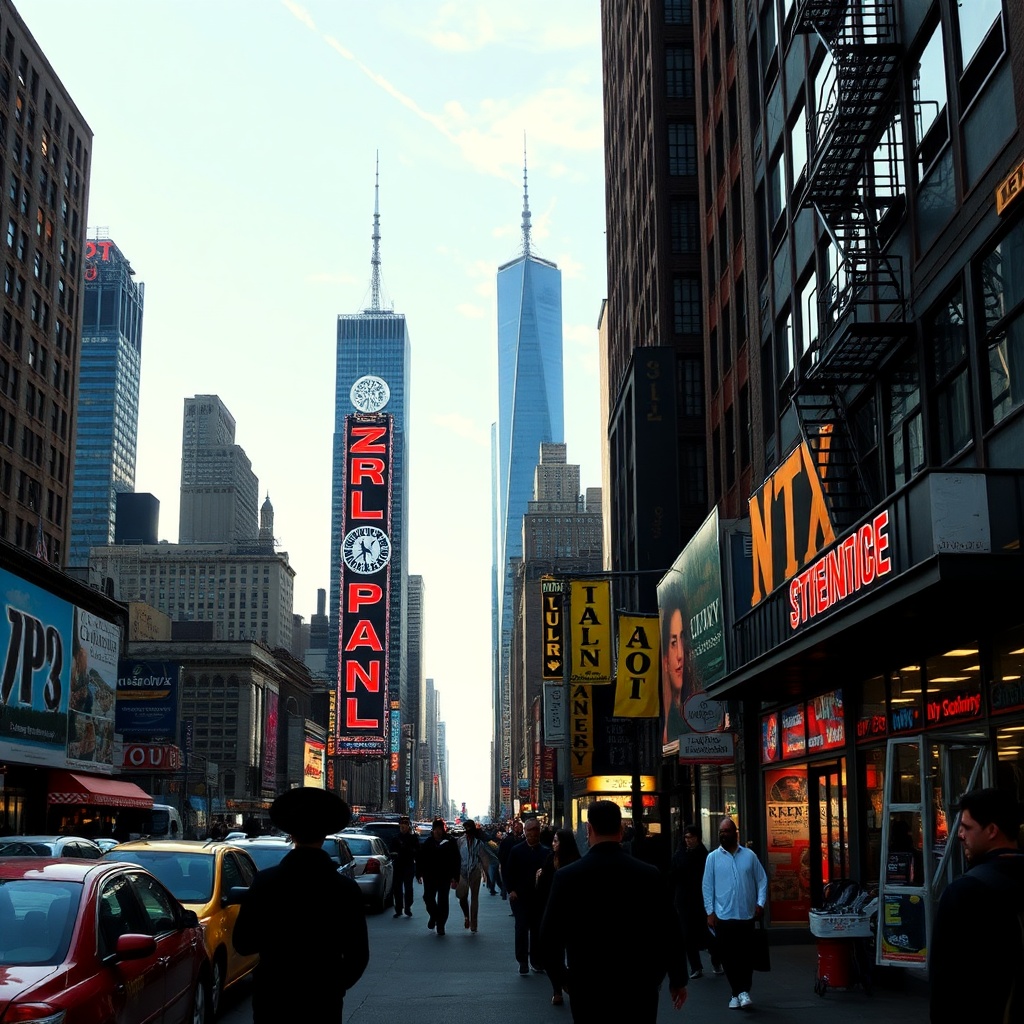
– The Bronx and Staten Island: Both are home to vibrant local arts, cultural institutions, and community-driven programming that reward curiosity and a willingness to go off the beaten path.
Food as cultural shorthand
Street food and neighborhood restaurants are frontline cultural documents. Immigrant chefs adapt recipes to local ingredients, new-market trends and busy urban schedules, producing dishes that become city staples.
Look for market stalls, evening pop-ups and family-run spots where menus change with seasons and stories are often shared over the counter.
Art, public and private
Public art initiatives and subway installations make creativity accessible to commuters and visitors alike. Meanwhile, museums and small galleries experiment with dynamic programming — interactive exhibits, late-night art events and community-driven shows — making art feel less distant and more participatory.
Music and nightlife: intimate is the new iconic
While headline venues still draw major acts, a thriving ecosystem of small clubs, DIY spaces and neighborhood bars keeps live music intimate and experimental. These venues often introduce artists who later define broader musical trends, so catch shows where the stage can fit a handful of people and the sound feels immediate.
How culture touches daily life
– Community centers, public libraries and local theaters often host free or low-cost programming that reflects neighborhood identities.
– Farmers markets and street fairs double as cultural showcases, with artisans and performers offering glimpses into local life.
– Festivals and parades provide concentrated windows into cultural traditions, with food, music and performance all in one place.
Practical tips for experiencing the city’s culture
– Walk as much as possible; the best finds are rarely on the main drag.
– Check venue and exhibit schedules before you go — many programs rotate frequently and offer late-night or free-admission options.
– Support neighborhood businesses: buying a meal or a souvenir from a local vendor keeps scenes vibrant and sustainable.
– Use public transit to explore multiple neighborhoods in one day, and bring comfortable shoes.
New York City culture is not a static collection of attractions; it’s a constant exchange where old meets new, local meets global, and creativity is part of everyday life. Whether you’re discovering an unexpected mural, hearing a breakthrough band in a tiny room, or sharing a meal in a family-run restaurant, the city rewards curiosity and a willingness to follow where the streets lead.