New York City culture is a living mosaic: a nonstop conversation between neighborhoods, food, music, and public life. From block parties to underground galleries, the city’s cultural energy comes from everyday intersections — stoops, subway platforms, and corner delis — as much as from headline institutions. For visitors and longtime residents alike, the secret is paying attention to the local rhythms that make each borough distinct.
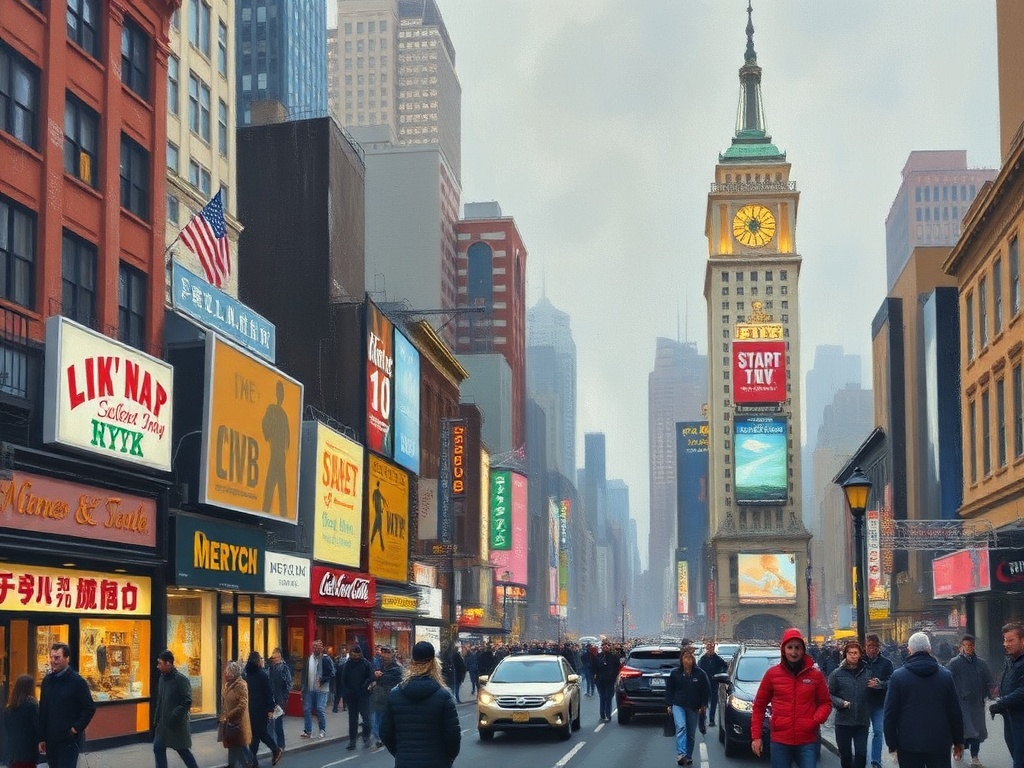
Street festivals and parades
Street festivals and parades are among the most visible expressions of neighborhood identity. These events bring music, dance, religious observance, and food into public space, transforming sidewalks into shared stages. Whether a neighborhood closes a main avenue for a feast or a spontaneous block party sprouts in a side street, the result is connectivity: neighbors meeting neighbors, performers practicing on the fly, and small vendors getting a platform. Check local community calendars and neighborhood social accounts for pop-up markets and cultural processions that often fly under mainstream radar.
Neighborhood scenes
Each neighborhood offers its own cultural microclimate.
Historic enclaves keep traditions alive through family-run businesses and cultural centers; emerging pockets favor experimentation, with new galleries, performance spaces, and collaborative workshops.
Venture beyond tourist corridors to discover independent bookstores, community gardens that host reading nights, and storefront theaters producing bold work on modest budgets.
Engaging with local business associations and arts collectives is a good way to find one-off events and late-night shows.
Food as culture
Food is both heritage and innovation here. Corner delis and bodegas serve as social hubs, while immigrant-run restaurants and markets create constant culinary cross-pollination. Street food carts and small mom-and-pop kitchens often provide the best, most affordable snapshots of a neighborhood’s history.
To taste the city authentically, sample small plates at two or three places in one walkable stretch: a coffee and pastry at a neighborhood bakery, a savory snack from a street vendor, and a sit-down dish at a family-run spot.
Arts and nightlife
The city’s arts scene thrives in unconventional spaces: pop-up galleries, late-night jazz rooms, open-mic nights, and performance art staged in public parks.
Small venues are where new voices get heard and where scenes evolve quickly. For music lovers, checking venue calendars and following local promoters yields discoveries that won’t be listed on mainstream platforms. Support community-driven arts by attending fundraisers and weekday shows, which help keep experimental programs viable.
How to experience culture like a local
– Walk a neighborhood slowly; cultural details reveal themselves at sidewalk level.
– Use community event listings, local newsletters, and neighborhood social accounts for up-to-the-minute happenings.
– Respect public events and rituals by observing etiquette: ask before photographing individuals, and follow signage at processions and market stalls.
– Spend with intention: small purchases at local vendors have outsized impact.
– Mix planned stops with spontaneity; leaving gaps in your itinerary opens space for unexpected discoveries.
The city’s cultural life is most powerful when it’s participatory.
Whether contributing a few dollars to a street musician, joining a neighborhood clean-up, or simply striking up a conversation at a café, small acts of engagement sustain the ecosystems that make the city vibrant. The map is constantly changing, but the underlying invitation is consistent: get curious, go local, and let the city’s neighborhoods tell their stories.