Best Neighborhoods to Explore in New York: What to Expect and How to Choose
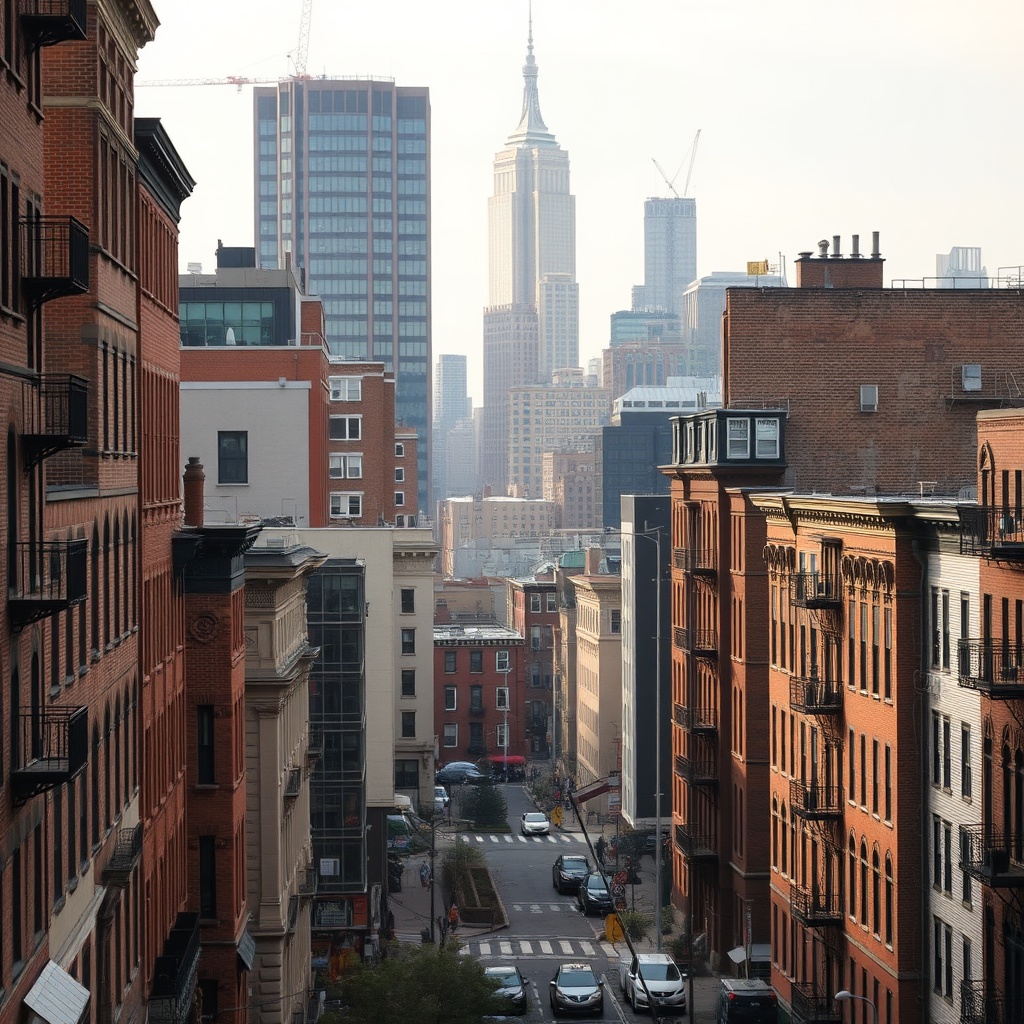
New York neighborhoods each have a distinct personality, from leafy brownstone blocks to buzzy waterfront developments.
Whether hunting for nightlife, green space, food scenes, or quieter streets, understanding what makes a neighborhood tick helps visitors and residents get the most out of the city.
What to look for when exploring neighborhoods
– Transit access: Proximity to subway lines, regional rail, or ferry service shapes daily life. Consider commute time, frequency of service, and nearby bike lanes.
– Local amenities: Grocery options, schools, parks, and medical facilities determine convenience. A short walk to a market and green space can dramatically improve quality of life.
– Housing stock: Brownstones, walk-ups, high-rises, and new developments each come with trade-offs in price, layout, and maintenance.
– Community vibe: Weekend markets, cultural institutions, and small businesses create atmosphere. Neighborhoods with active block associations and local events tend to feel more connected.
– Future development: Look for signs of investment—new parks, plazas, or transit improvements—which often bring new shops and services.
Neighborhood highlights worth visiting
– A waterfront neighborhood known for industrial-chic studios and skyline views offers scenic promenades, art galleries, and weekend food markets. It’s ideal for photographers and families who enjoy open spaces after urban days.
– A diverse Queens enclave is a global dining destination where you can sample cuisines from multiple continents in one neighborhood. Its community markets and affordable housing mix attract cultural explorers and food lovers.
– A classic brownstone neighborhood in Brooklyn provides tree-lined streets, farmers markets, and top-rated playgrounds. It tends to appeal to families and people seeking neighborhood stability and independent shops.
– A historic Harlem corridor blends soulful music venues, cultural institutions, and evolving dining options. Walking tours, gospel services, and community art projects offer immersive local experiences.
– A compact downtown district remains lively with music venues, intimate restaurants, and independent bookstores.
It’s often the go-to for nightlife and late-night dining.
Practical tips for newcomers and visitors
– Walk as much as possible. Many discoveries—cafés, murals, vintage shops—happen on foot. Side streets often reveal the neighborhood’s true character.
– Use a neighborhood map app sparingly.
It can help with transit and restaurant hours, but local shops sometimes rely on word-of-mouth and have irregular schedules.
– Time your visit. Weekends can bring farmers markets and street fairs; weekdays show the day-to-day neighborhood rhythm.
– Try seasonal markets and community events.
They’re great ways to meet residents and sample local offerings.
– Check zoning and rental regulations if moving. Neighborhood boundaries can be porous, and services often vary block by block.
Where culture meets everyday life
New York neighborhoods are living ecosystems where newcomers, long-time residents, and small businesses coexist and evolve. The best approach is a mix of planning and spontaneity: identify neighborhoods that match practical needs—commute, schools, budget—then spend a few afternoons exploring cafes, parks, and shops to feel out the vibe.
Whether the goal is a weekend visit, a short-term stay, or a new place to call home, neighborhoods offer endless layers of discovery. Start with transit hubs and main avenues, then wander into side streets—that’s where the city’s character reveals itself.