Brooklyn’s evolving identity: where history meets creativity
Brooklyn remains a magnet for visitors and locals drawn to its mix of historic neighborhoods, green spaces, and a thriving creative economy. Whether exploring tree-lined brownstone blocks, waterfront parks, or bustling food markets, Brooklyn offers varied experiences that reward both first-time visitors and longtime residents.
Neighborhoods with character
Brooklyn’s neighborhoods each offer a distinct vibe. Cobblestoned DUMBO delivers iconic skyline views and converted warehouses hosting boutiques and tech studios.
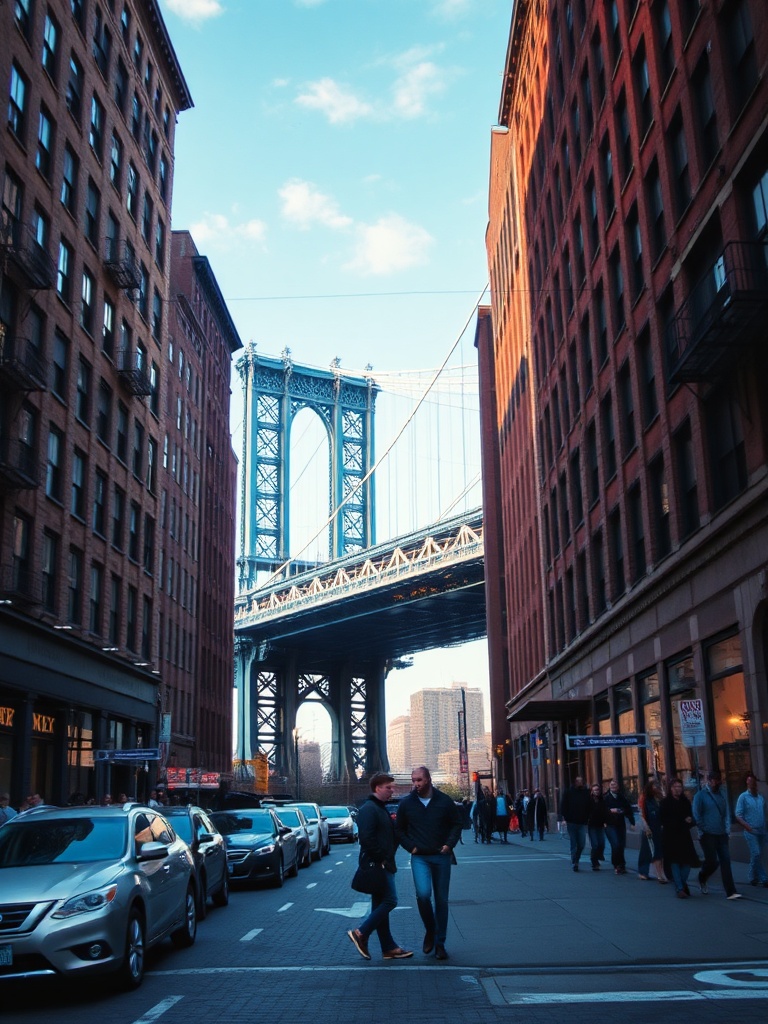
Williamsburg mixes indie music venues, craft breweries, and a lively dining scene anchored by artisanal coffee shops and bakeries. Park Slope and Brooklyn Heights showcase leafy streets and family-oriented amenities near Prospect Park and the Promenade, while Bushwick attracts street-art lovers and experimental galleries. Red Hook keeps an industrial, waterfront mood with seafood eateries and small-batch makers.
Parks and waterfront access
Green space is a borough strength. Prospect Park provides a large urban oasis for running, picnicking, and free outdoor programming, while Brooklyn Bridge Park and the DUMBO waterfront offer panoramic Manhattan views and well-designed public spaces that host markets and fitness classes. New and revitalized piers and esplanades have shifted the waterfront from industrial use to active recreational corridors, improving access and creating memorable cityscape moments.
Food culture and markets
Brooklyn’s culinary scene balances hallmarks—pizza, bagels, Jewish delis—with an inventive wave of immigrant-run restaurants, plant-based concepts, and international street food. Open-air markets and weekend pop-ups remain essential ways to sample the borough’s diversity. For a food-focused day, mix a stroll through a farmers’ market with stops at small bakeries, a market stall for signature dishes, and an evening at a neighborhood restaurant or brewery.
Creative economy and adaptive reuse
Adaptive reuse of industrial buildings continues to shape Brooklyn’s economy. Former warehouses now house design studios, film production sites, coworking spaces, and light manufacturing, creating an ecosystem where makers, technologists, and artists collaborate. This mix supports a resilient local economy and keeps Brooklyn a hub for creative entrepreneurship.
Getting around sustainably
Public transit, cycling, and walking are practical ways to navigate Brooklyn.
Subway lines and bus routes connect major neighborhoods and cultural venues, while bike lanes and shared-bike programs make shorter trips convenient. For a more relaxed exploration, plan a day by combining transit with walking routes that highlight local shops and eateries; bring comfortable shoes and a reusable water bottle to reduce single-use waste.
Practical tips for visitors
– Start early at popular spots to avoid crowds and capture better photos along the waterfront.
– Combine neighborhoods for variety: pair a morning in a museum or park with an afternoon food-walking tour.
– Look for neighborhood pop-ups and small galleries to discover emerging artists and makers.
– Respect residential areas by keeping noise low and following local signage.
Brooklyn balances preservation with innovation, offering an authentic urban experience shaped by community, creativity, and a growing emphasis on sustainable, people-focused public spaces.
Whether your interest is art, food, outdoor life, or entrepreneurship, Brooklyn provides accessible entry points and neighborhood discoveries that keep people coming back.