New York neighborhoods are living ecosystems—constantly adapting while holding on to local identity.
Whether you’re a longtime resident, a newcomer, or just planning a visit, understanding how neighborhoods evolve helps you find the right fit for lifestyle, food, culture, and transit.
What shapes neighborhood character
A neighborhood’s personality comes from a mix of architecture, small businesses, public spaces, transit access, and community institutions. Brownstones and tree-lined streets signal family-friendly enclaves; converted warehouses and art studios point to creative hubs; dense storefront corridors often mean strong local retail and dining scenes.
Public parks, waterfronts, and plazas serve as magnets for weekend life and community events.
Trends to watch
– Adaptive reuse and development: Former industrial sites are frequently transformed into mixed-use buildings, bringing new housing and retail but also altering local rhythms. Waterfront redevelopment often introduces recreational space and new dining options.
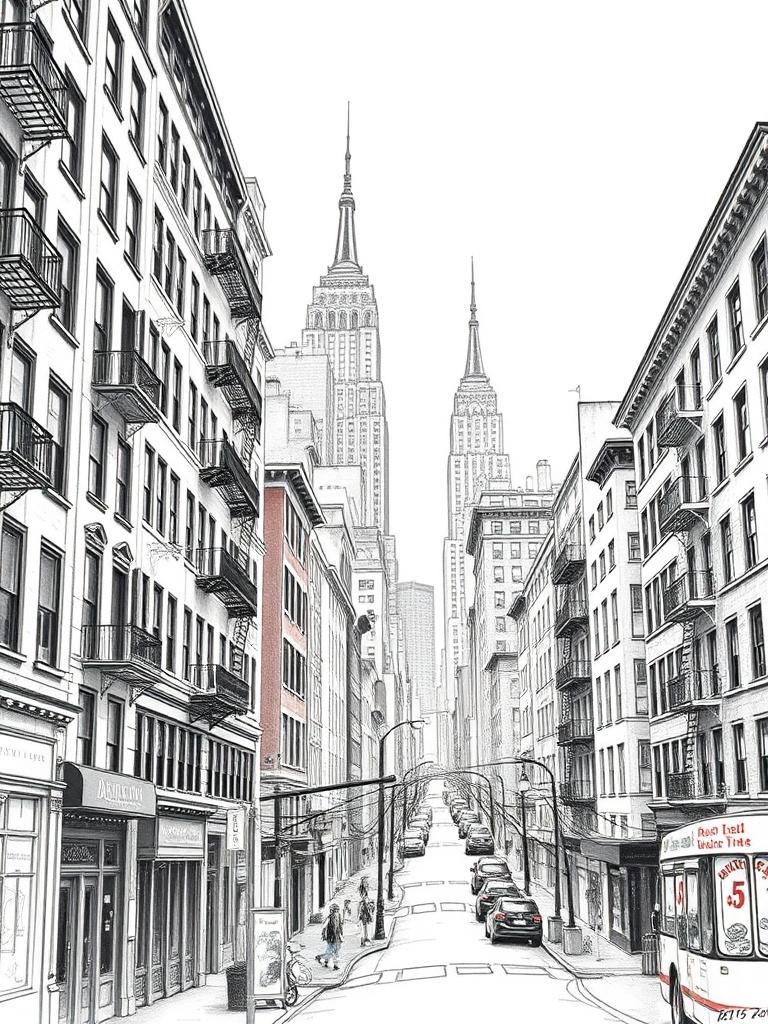
– Food and cultural diversity: Immigrant-run businesses keep many neighborhoods vibrant. You’ll find authentic markets, tiny restaurants, and cultural festivals that anchor community identity.
– Transit-oriented living: Neighborhoods with rapid subway access or ferry service consistently attract commuters looking to shave minutes off their daily travel.
– Community resilience: Local groups, small-business coalitions, and neighborhood associations influence zoning decisions, open-space preservation, and programming for public spaces.
Neighborhood snapshots (what to look for)
– Artistic corridors: Expect gallery openings, pop-up shops, and experimental venues.
These areas often host walking art tours and late-night events.
– Family-friendly pockets: Look for good schools, playgrounds, community gardens, and weekend farmers’ markets. Tree-lined streets and lower traffic volumes are common.
– Foodie destinations: A mix of longtime eateries and innovative newcomers signals a lively dining scene. Street markets and specialty grocers add depth.
– Transit hubs: Close proximity to multiple subway lines, buses, or ferries gives neighborhoods a commuter-friendly edge and usually more retail density.
How to explore like a local
– Walk or bike first: Many discoveries—corner delis, murals, and hidden parks—are missed from a car or train window.
– Use a mixed-route plan: Combine subway trips with short ferry rides or bike-share segments to see different neighborhood perspectives.
– Time your visit: Weekdays show daily life and local commerce; weekends tend to highlight markets, outdoor dining, and cultural events.
– Talk to shop owners and baristas: They’re often the best source for current favorites, community happenings, and lesser-known spots.
Practical tips for residents
– Support independent businesses: Regular patronage helps maintain neighborhood diversity and character.
– Get involved: Attend community board meetings or local events to stay informed about development proposals and neighborhood planning.
– Balance convenience and cost: Proximity to transit raises convenience but can also come with higher rents; exploring adjacent blocks often uncovers better value without sacrificing access.
– Prioritize green space: Neighborhoods with well-maintained parks and community gardens offer more opportunities for recreation and socializing.
Choosing where to live or spend time in New York is personal. Think about your daily routines—commute, dining, recreation—and use those priorities to guide exploration. Walk, listen, and ask questions; neighborhoods reveal themselves slowly, and the best discoveries often come from curious, repeated visits.