Manhattan’s pulse keeps changing—here’s what’s shaping life, leisure, and movement on the island
Manhattan remains a global magnet for culture, commerce, and neighborhoods with distinct personalities.
From expanded green spaces to evolving transit options and a resilient approach to climate risks, the borough is balancing preservation with innovation. Whether you live here or are planning a visit, a few smart strategies help you experience the best of Manhattan.
Parks and public spaces: more access, more variety
Green space continues to be a signature of Manhattan life. Central Park still anchors the island with paths for runners, quiet corners for picnics, and seasonal programming. The High Line offers an elevated, art-forward walk through Chelsea and the Far West Side, while pocket parks and plazas throughout Midtown and Lower Manhattan provide quick urban respites. New public plazas and adaptive reuses of industrial waterfronts make riverfront strolls more interesting—look for locally curated events, pop-ups, and food vendors that bring neighborhood flavor.
Getting around: transit, bike, and ferry options
The subway remains the backbone of getting around, but surface options add flexibility. Contactless payments via OMNY simplify fare payment—tap and go with a contactless card or mobile wallet. Bike lanes and the bike-share system make short hops efficient; helmets and a basic familiarity with NYC bike rules are recommended. Ferries across the Hudson and East Rivers provide scenic alternatives to bridges and tunnels, often offering less crowded commutes with great skyline views.
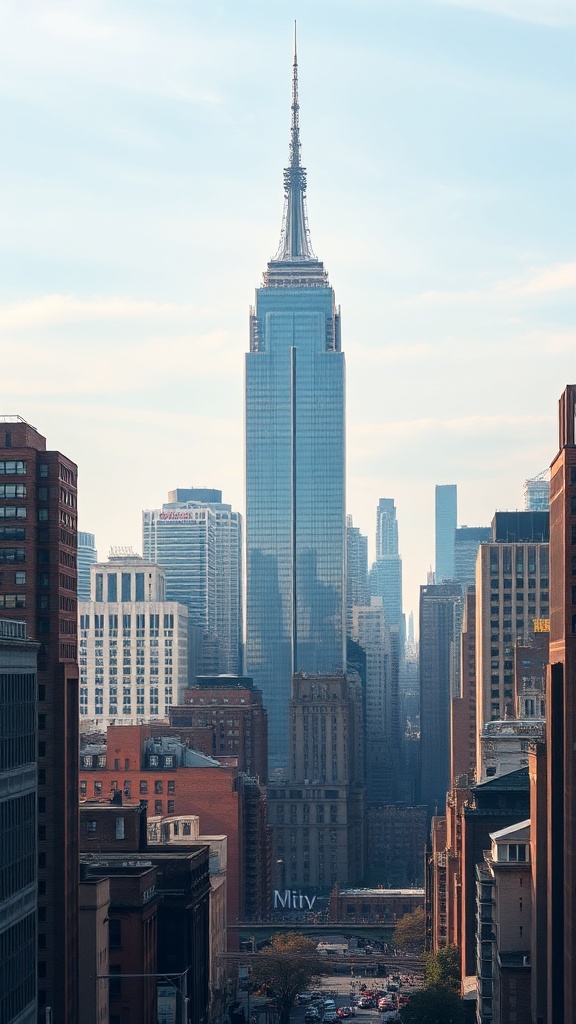
Neighborhood picks and what to expect
Each Manhattan neighborhood has its own rhythm. SoHo and Tribeca blend boutique shopping and loft living with a strong culinary scene; the Lower East Side mixes historic tenement culture with lively nightlife; Harlem continues to be a center for performance, food, and community; the Financial District is quieter evenings but hums during business hours.
For an immersive visit, pick a neighborhood and explore on foot—local bakeries, independent bookstores, and small galleries often reveal the area’s character more than headline attractions.
Dining and nightlife: curated experiences
Manhattan’s dining scene spans street carts to fine dining. Reservations help for sought-after restaurants; for spontaneous plans, consider chef-driven counter spots, neighborhood bistros, or seasonal rooftop bars for a view. Many venues highlight locally sourced ingredients and inventive cocktails.
Nightlife varies by neighborhood—venues range from jazz clubs in intimate settings to dance floors in larger venues; check local listings and neighborhood social channels for pop-ups and one-off events.
Resilience and smart planning
Manhattan is actively investing in strategies to manage weather extremes and coastal risk. Flood barriers, raised promenades, and redesigned waterfront parks are part of a broader effort to protect neighborhoods and infrastructure. These projects aim to preserve access while enhancing recreation—check neighborhood notices for temporary closures or detours when visiting waterfront amenities.
Tips for visitors and residents
– Visit popular spots early in the morning to avoid crowds and capture better photos.
– Use OMNY or a reliable transit app for real-time subway and bus updates.
– Explore beyond headline attractions—neighborhood coffee shops and markets reveal local life.
– Pack layers; Manhattan weather can change during a single day, especially near the water.
Manhattan’s blend of enduring icons and continual reinvention makes the island endlessly discoverable.
Whether you’re hunting for a quiet park bench, a chef’s new tasting menu, or a different route home, the borough rewards curiosity and a little local knowledge.