Manhattan’s public realm is changing fast, and how people move, gather, and unwind on the island is evolving into a more pedestrian-friendly, resilient, and green landscape. From elevated parks to reclaimed waterfronts and car-free plazas, a renewed focus on public space is reshaping daily life and visitor experiences.
Walkable neighborhoods and pedestrian priority
Manhattan’s dense street grid has always favored walking, but recent efforts to slow traffic and expand curbside space have made strolls more pleasant. Major corridors and small side streets increasingly include widened sidewalks, protected bike lanes, and parklets that transform parking spaces into seating and greenery. Pedestrianization of key stretches helps local businesses by increasing foot traffic and encourages healthier, low-carbon travel across neighborhoods.
Elevated and linear parks: new perspectives
Adaptive reuse projects have turned former infrastructure into beloved greenways. Elevated parks offer leafy respite and unique views of the city, while linear waterfront parks reconnect neighborhoods with the Hudson and East Rivers.
These spaces double as cultural corridors, hosting public art, pop-up performances, and informal exercise.
For anyone seeking a quieter perspective on Manhattan, linear walks along waterfront esplanades or a slow-paced wander along an elevated park will reveal both skyline views and hidden urban moments.
Green infrastructure and resilience
With weather patterns becoming less predictable, Manhattan is investing in green infrastructure that absorbs stormwater and reduces urban heat. Bioswales, expanded tree pits, and native planting beds are being incorporated into streetscapes and parks to improve air quality and support urban biodiversity. Coastal resilience projects aim to protect low-lying neighborhoods while creating usable public space—multi-functional designs that combine flood protection with recreation and ecological benefits.
Micro-mobility and multimodal transit
Micromobility options have become an integrated part of getting around—dockless bikes, scooter programs, and expanded bike-share systems provide first- and last-mile solutions that complement the subway and buses. Ferry services across the rivers offer scenic alternatives and reduce reliance on congested surface routes. For short trips, walking remains the most reliable option in Midtown and Lower Manhattan, where distances between destinations are often shorter than they appear.
Cultural life in public spaces
Outdoor programming has flourished, with museums, theaters, and performance groups taking advantage of plazas and parks to stage concerts, screenings, and interactive art. Seasonal markets and street fairs enliven neighborhoods, and many cultural institutions have extended free or pay-what-you-wish events outdoors to reach broader audiences. These initiatives keep the city’s cultural calendar lively and make art more accessible to passersby.
Tips for exploring Manhattan’s public spaces
– Start early to enjoy calmer promenades and cooler temperatures.
– Mix modes: combine a ferry ride, a bike-share leg, and walking to cover more ground.
– Pack water and comfortable shoes—many green spaces are best experienced on foot.
– Check local listings for outdoor performances and markets that pop up in parks and plazas.
– Respect park rules and local residents by keeping noise reasonable and disposing of waste properly.
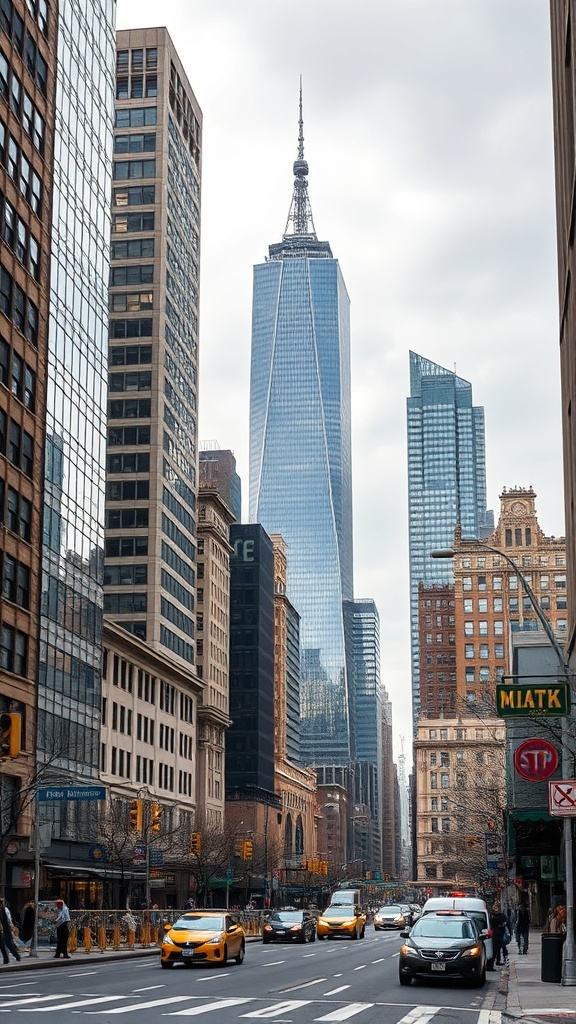
Manhattan’s public spaces are becoming more welcoming, resilient, and activity-rich. Whether seeking a peaceful riverside walk, a cultural moment in a plaza, or a greener commute, the island’s evolving streets and parks offer fresh ways to experience urban life.